
Medications: Practical Guides, Alternatives & Buying Tips
Welcome to the Medications category at GenMedicare. This section groups clear, practical articles about common drugs, safer buying, and alternative treatments. You'll find easy comparisons for antibiotics, antidepressants, inhalers, and specialty drugs—each post explains when a medicine might work and when to ask your doctor for something else.
Need an alternative to a current prescription? Our "alternatives" articles list real-world options, with pros and cons that matter. For example, acne and infection drugs are compared side-by-side so you can spot differences in safety, typical side effects, and likely costs. We avoid medical jargon and focus on what patients actually ask: how fast it works, how it's taken, and what to watch for.
How to use this section
Start with the short summaries under each article title to find relevant topics fast. If you’re researching a specific drug, open that post for dosage ranges, common interactions, and patient-friendly advice. Use the alternatives guides when side effects or cost are a problem. And if you’re thinking of buying medicine online, read the buying guides first—those posts explain how to pick trusted pharmacies and spot scams.
We publish pieces like "Where to Safely Buy Grifulvin V Online" and "Navigating Online Dostinex Purchases" that focus on safe online shopping. These guides tell you what license checks and privacy practices to look for, how to confirm prescription requirements, and basic red flags like prices that are too good to be true or pharmacies that won't show a real contact address.
Safety, cost, and talking to your provider
Safety matters more than savings. Use our checklists before you switch meds or buy from a new source: confirm the active ingredient, check for known drug interactions, and verify the pharmacy’s credentials. If you have chronic conditions like asthma or depression, don't swap drugs without talking to your healthcare provider. Our content gives you the facts to ask better questions during that visit.
We also cover cost-saving approaches that aren’t risky: generic options, patient assistance programs, and asking your prescriber about therapeutic equivalents. Where relevant, our articles point to monitoring steps you can take at home—like tracking symptom changes after a switch or noting side effects that need urgent attention.
Browse the posts listed on this page to compare options like Ventolin vs. other inhalers, Duloxetine alternatives for mood disorders, or antibiotics that may replace Minocycline or Vibramycin. Each article aims to be a fast, useful resource so you leave more informed and ready to talk with your pharmacist or doctor.
If you want a specific drug compared or have a question about buying medicines online, use the search box at the top of the site or contact our team. We keep guides practical, updated, and focused on patient needs.
Want updates? Subscribe to short email alerts for new posts on drugs you care about. We also add real user questions and expert-sourced clarifications when guidelines change. No jargon, no spam—just timely tips you can use at your next appointment today.
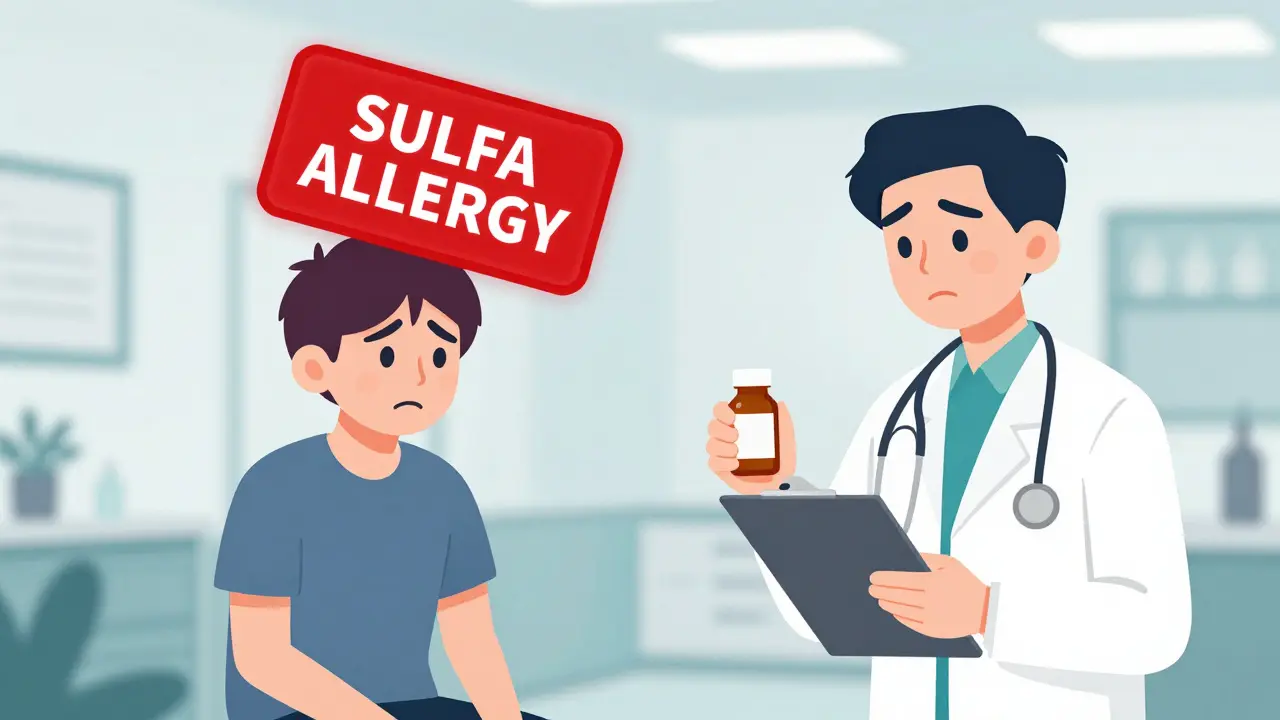
Sulfonamide Allergy and Cross-Reactivity: Which 'Sulfa' Drugs are Safe?
Learn the difference between antimicrobial and nonantimicrobial sulfonamides. Discover which 'sulfa' drugs are actually safe to take and how to handle a mislabeled allergy.
View more
Understanding Recent Drug Safety Communications and Medication Recalls
Explore the latest FDA drug safety communications from 2025, covering critical updates on opioid risks, Alzheimer treatments, and ADHD medications. Learn how these alerts impact prescribing practices and patient safety monitoring.
View more
Boxed Warning Changes: Tracking Label Updates Over Time
Learn how to track FDA boxed warning changes and label updates. This guide explains the importance of black box warnings, how to use the SrLC database, and the impact on patient safety.
View more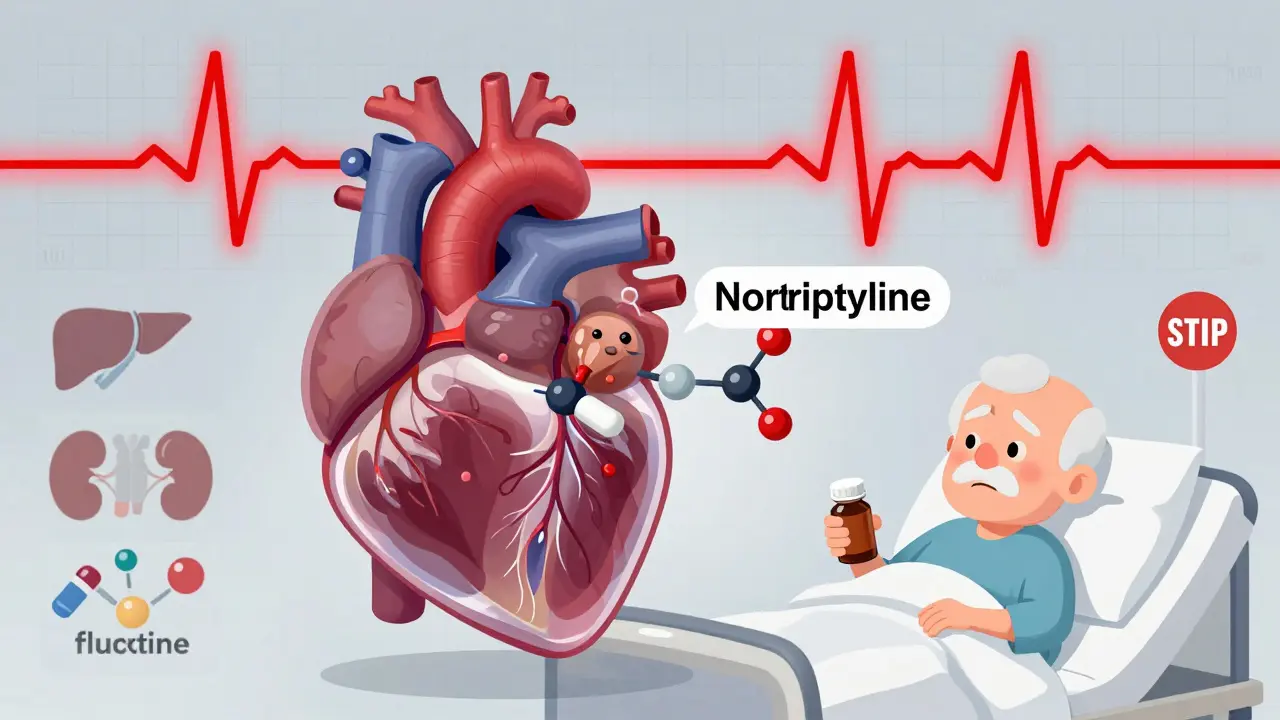
Therapeutic Drug Monitoring for Tricyclic Antidepressants: How It Reduces Toxicity Risk
Therapeutic drug monitoring for tricyclic antidepressants helps prevent deadly toxicity by measuring blood levels, catching hidden risks before symptoms appear-especially in elderly patients and those on multiple medications.
View more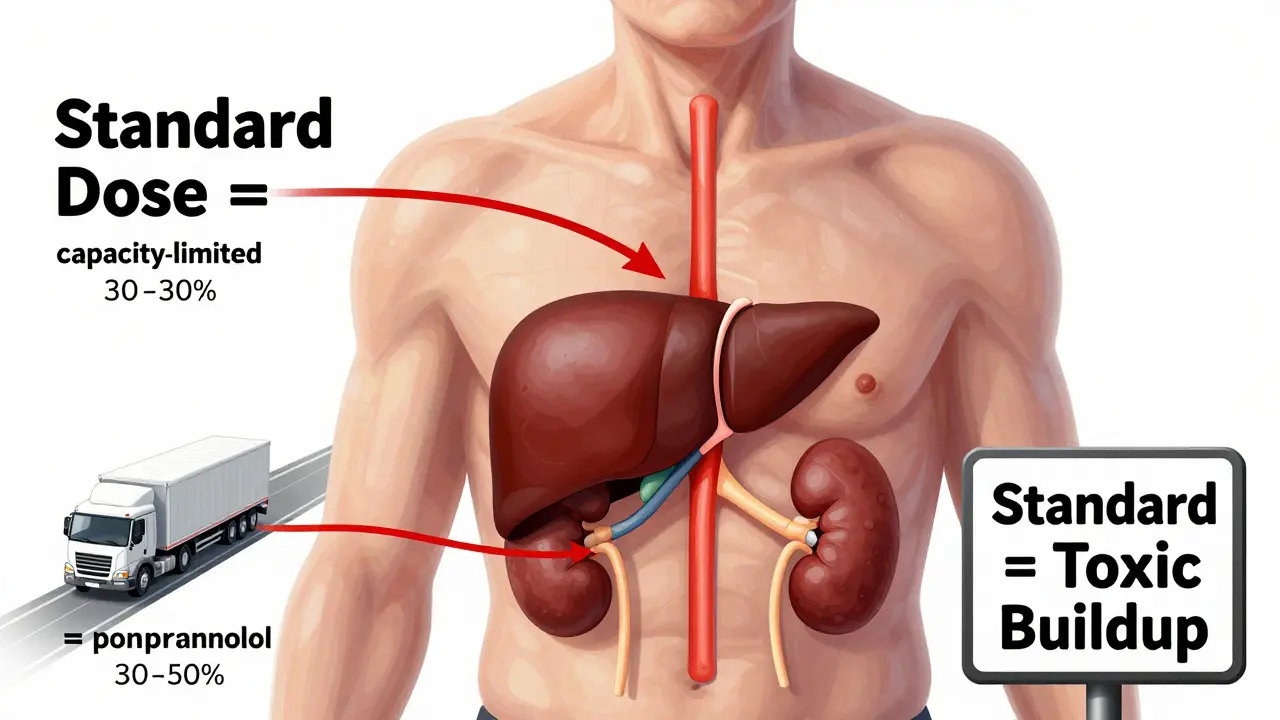
How Liver and Kidney Changes in Older Adults Affect Medication Safety
As people age, liver and kidney changes reduce how well drugs are processed, increasing overdose risks. Learn how these changes affect medication safety and what adjustments can prevent dangerous side effects.
View more
International Drug Safety Monitoring Systems Explained
International drug safety monitoring systems collect and analyze adverse drug reaction reports from over 170 countries to detect hidden risks. Powered by WHO's VigiBase and standardized tools like MedDRA and E2B(R3), these systems protect public health by catching dangers missed in clinical trials.
View more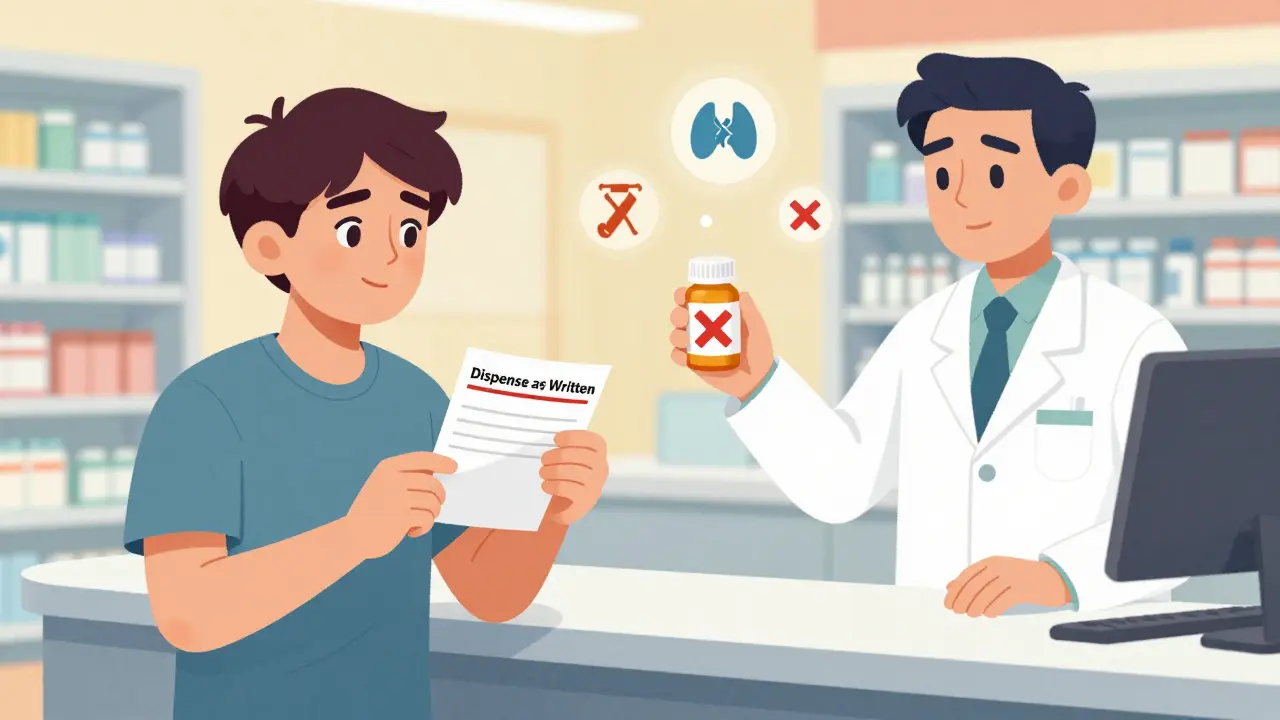
Patient Rights: How to Refuse Generic Substitution and Request Brand-Name Drugs
Learn how to legally refuse generic drug substitution and request your brand-name medication. Know your rights, state laws, and what to say at the pharmacy to avoid dangerous switches.
View more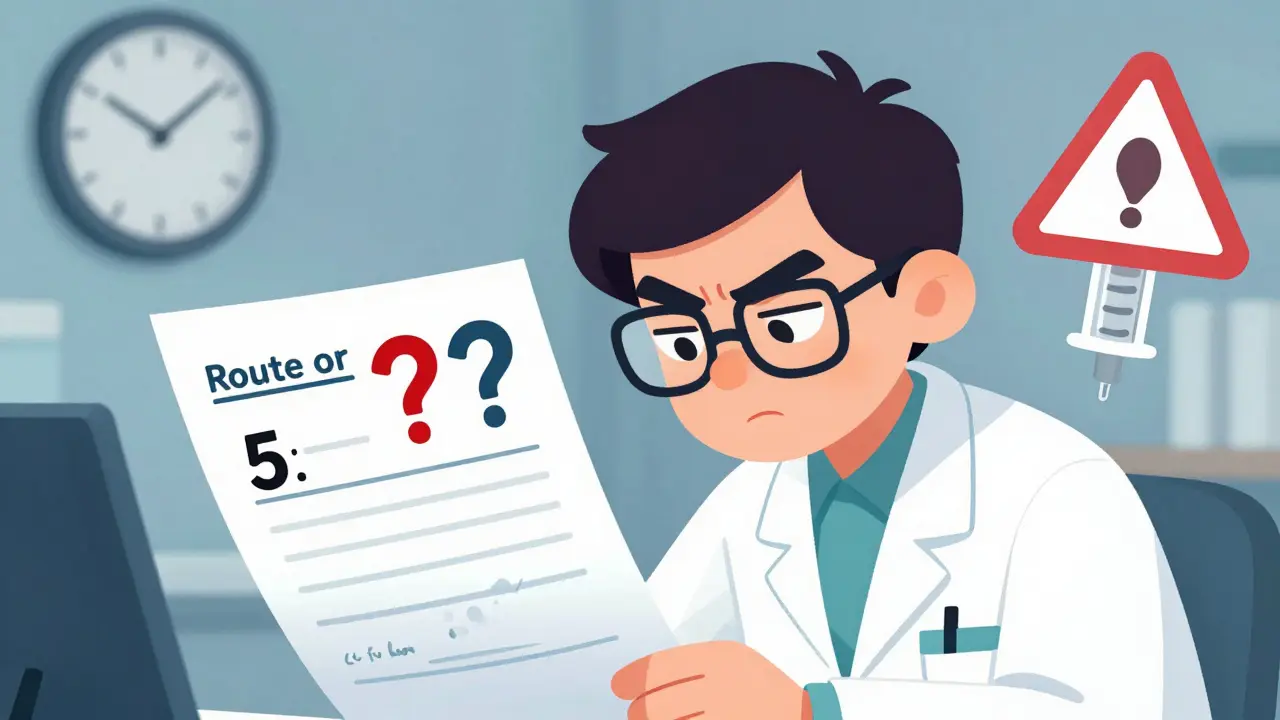
Illegible Handwriting on Prescriptions: How Patient Safety Is Being Fixed
Illegible handwriting on prescriptions causes thousands of preventable deaths each year. E-prescribing has slashed these errors by 97%, but challenges remain. Learn how digital systems are saving lives-and what to do if paper is still in use.
View more
Generic Drug Contamination Risks: Prevention and Response
Generic drugs save billions but face rising contamination risks from global supply chains. Learn how contamination happens, who’s at risk, and what’s being done to stop it.
View more
FDA Classification of Serious Adverse Events Explained for Patients
Learn how the FDA defines serious adverse events - and why not every bad side effect is as dangerous as it sounds. Get clear, patient-focused facts on what to watch for and when to act.
View more