
Medication Safety: Protect Yourself from Dangerous Interactions and Errors
When you take a medication, medication safety, the practice of using drugs correctly to avoid harm while maximizing benefit. Also known as drug safety, it’s not just about following the label—it’s about understanding what happens when drugs talk to each other, when your body reacts in unexpected ways, and when the system meant to protect you falls short. Every year, hundreds of thousands of people end up in the ER because of preventable medication errors. Many of these aren’t caused by negligence—they’re caused by confusion. A pill you bought over the counter might be fine alone, but throw in your blood pressure med, your sleep aid, and a glass of wine, and suddenly you’re at risk. That’s where drug interactions, when two or more medications affect each other’s behavior in your body become deadly. Warfarin and certain antibiotics? That combo can spike your INR and cause internal bleeding. Fluoxetine and alcohol? It doesn’t just make you drowsy—it can turn your depression worse. These aren’t rare edge cases. They’re everyday risks hidden in plain sight.
And it’s not just what’s in the bottle. The prescription label warnings, the small print and symbols pharmacies print on your medication stickers are your first real line of defense. That red sticker saying "Avoid grapefruit"? It’s not a suggestion. That green icon meaning "Take with food"? Skipping it could make your drug useless—or toxic. Then there’s adverse event reporting, the system where doctors, pharmacists, and even patients report unexpected side effects to regulators. Most people don’t know this exists. But when a pharmacist reports a pattern of muscle pain from a generic statin, or a patient flags a rash from a new antibiotic, that data feeds into FDA alerts. Without those reports, dangerous drugs stay on shelves. And when it comes to generic drug safety, how we know that a $5 version of a brand-name drug works just as well and isn’t riskier, that’s all built on post-market surveillance—real-world data, not just lab tests. The FDA doesn’t just approve generics and walk away. They use tools like FAERS and Sentinel to watch for hidden problems after millions of people start taking them.
You don’t need a medical degree to protect yourself. You just need to know what to look for. Check your prescription before you leave the pharmacy. Know which OTC drugs are safe to mix. Understand why your label says "Take at bedtime" or "Don’t drink alcohol." Learn how to spot the signs of a bad reaction—rash, dizziness, strange bruising, sudden confusion. These aren’t just side effects. They’re signals. Below, you’ll find real, practical guides on how to avoid the most common mistakes, decode your medication stickers, check for deadly interactions, and use free tools to see what others have experienced. This isn’t theory. It’s what keeps people alive.
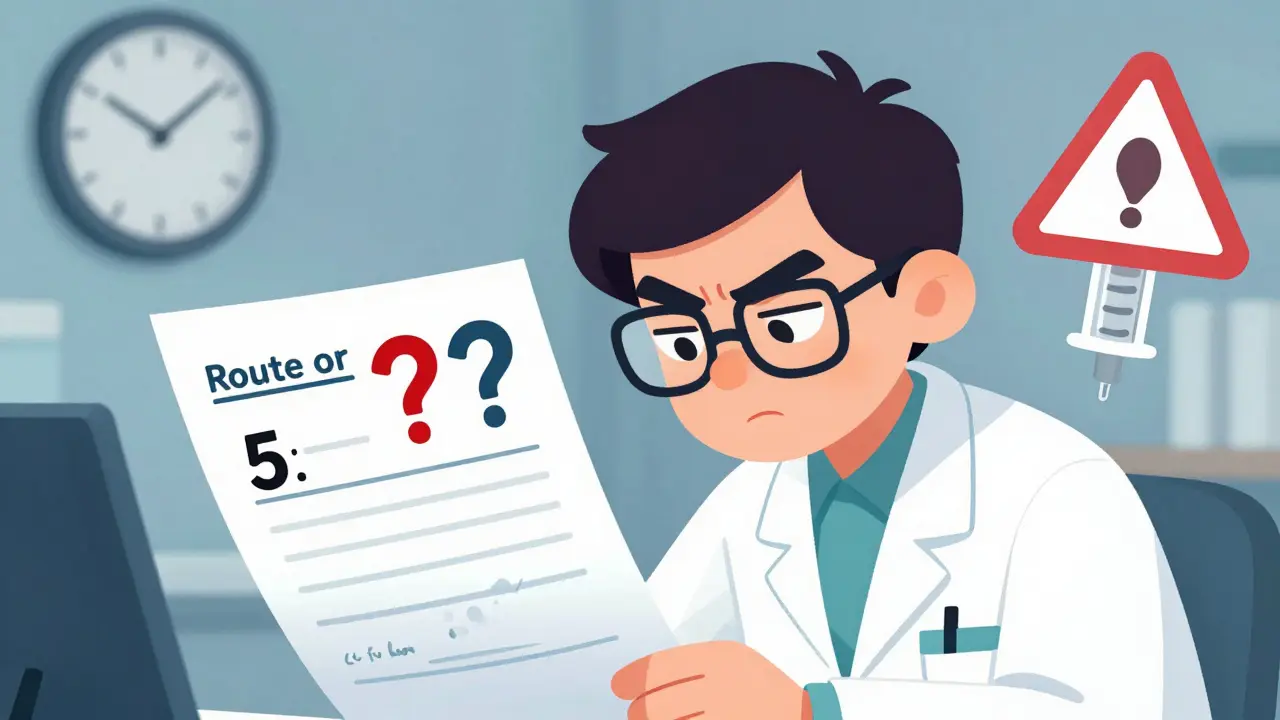
Illegible Handwriting on Prescriptions: How Patient Safety Is Being Fixed
Illegible handwriting on prescriptions causes thousands of preventable deaths each year. E-prescribing has slashed these errors by 97%, but challenges remain. Learn how digital systems are saving lives-and what to do if paper is still in use.
View more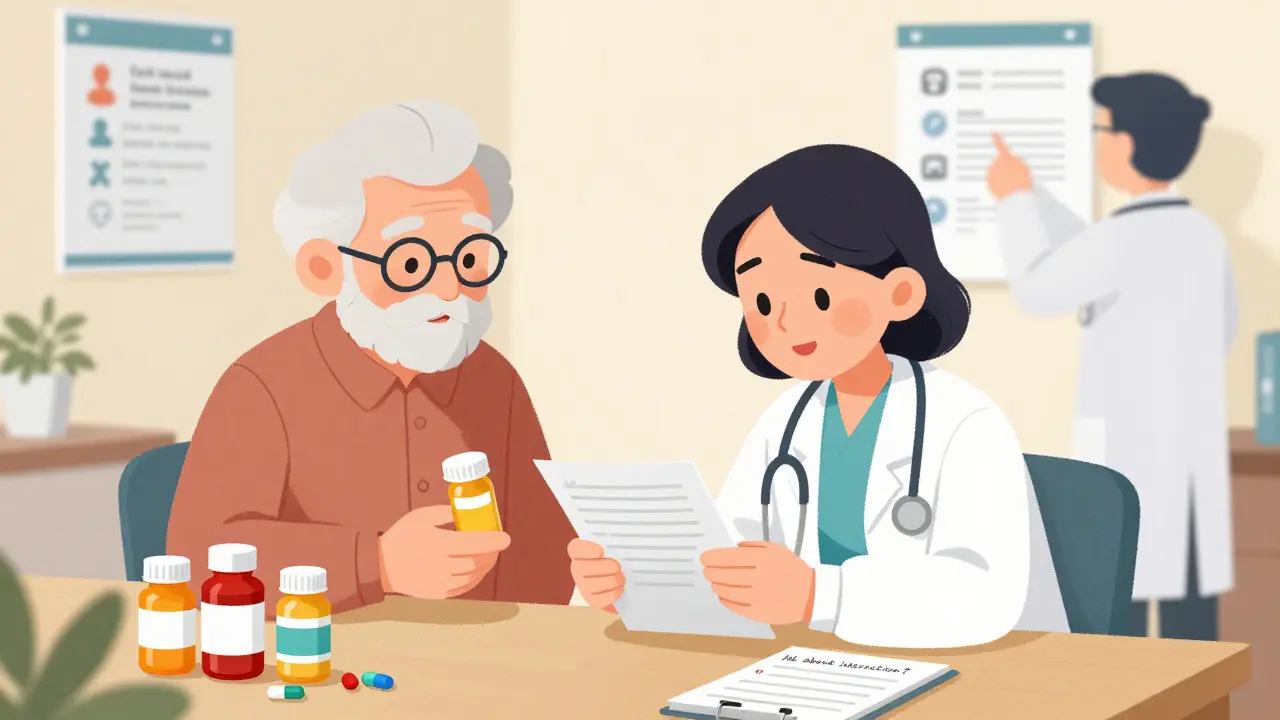
How to Bring a Caregiver or Advocate to Medication Appointments
Bringing a caregiver or advocate to medication appointments reduces errors, improves understanding, and ensures safer treatment. Learn how to prepare, what to ask, and how to handle resistance from providers.
View more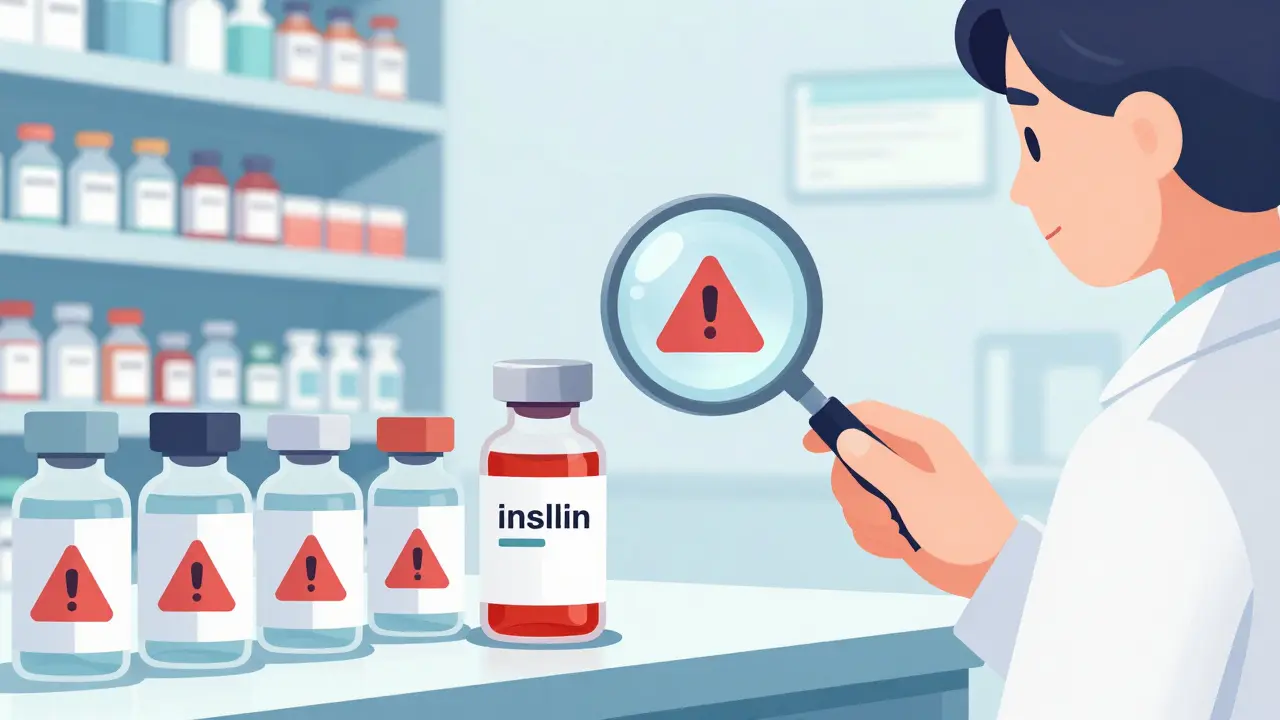
How to Identify High-Alert Medications Requiring Double Checks: A Step-by-Step Guide for Healthcare Professionals
High-alert medications can cause severe harm if misused. This guide explains how to identify them using ISMP's latest list and implement proper double checks. Learn the five critical elements to verify, common pitfalls to avoid, and best practices for safe medication administration. Includes real-world examples and technology solutions to enhance patient safety.
View more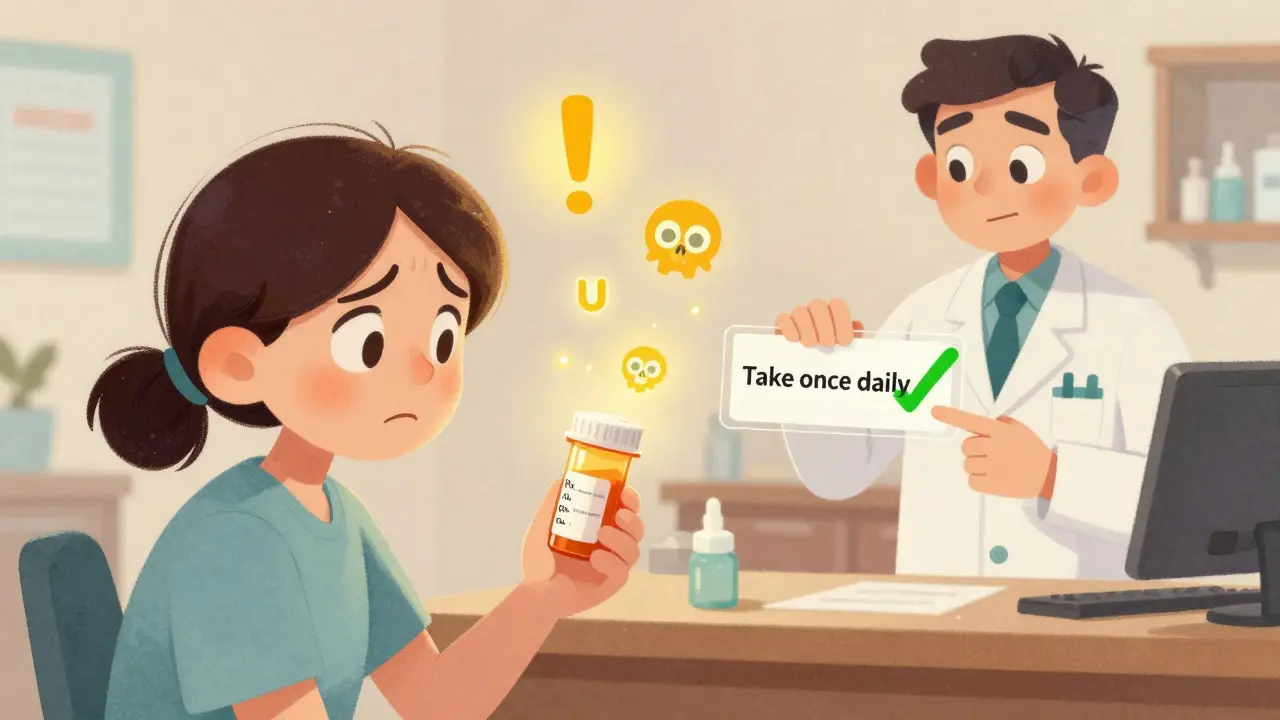
Decoding Prescription Label Abbreviations and Pharmacy Symbols: What You Need to Know
Learn what common prescription abbreviations like Rx, q.d., and o.d. really mean, why they’re dangerous, and how to protect yourself from medication errors. Know what to look for on your label.
View more
How Medicines Work and When They’re Safe to Use
Understanding how medicines work at a molecular level helps you use them safely. Learn about mechanisms of action, drug interactions, and why knowing what your medication does can prevent serious side effects.
View more
Verbal Prescriptions: Best Practices for Clarity and Safety in Healthcare
Verbal prescriptions are still common in healthcare but carry high risks. Learn proven best practices - like read-back verification, phonetic spelling, and avoiding abbreviations - to prevent deadly medication errors.
View more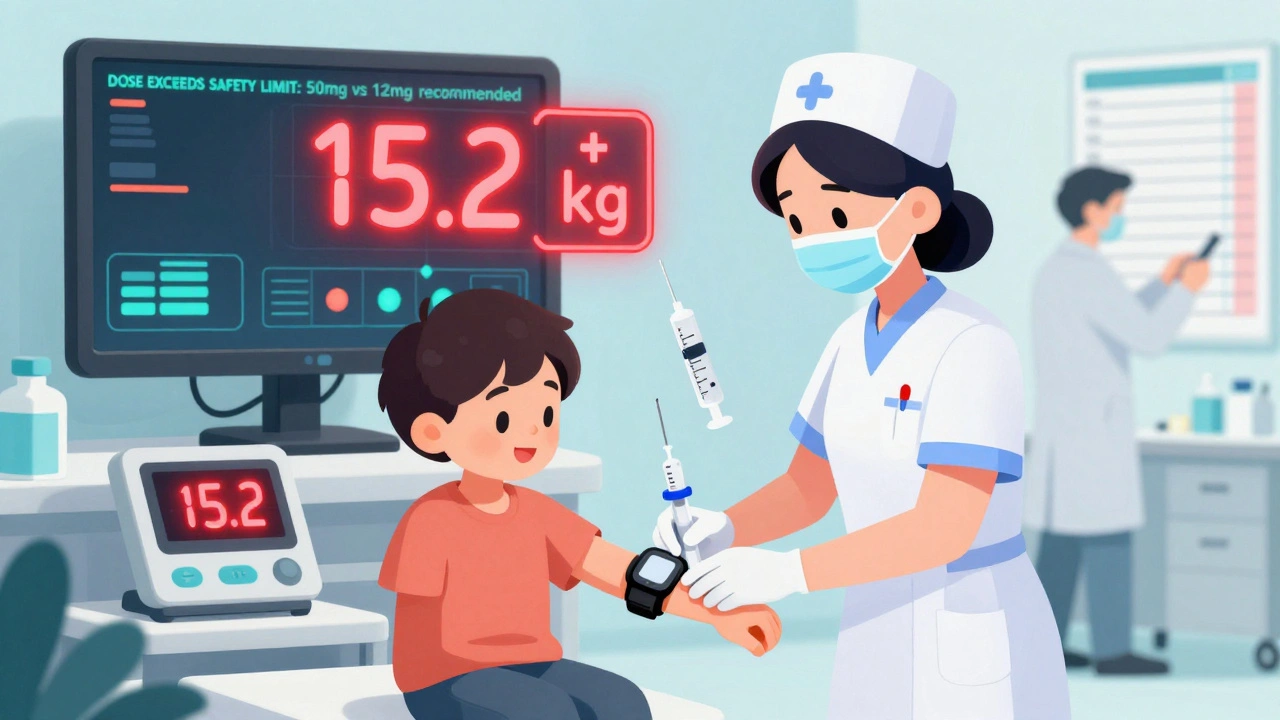
How to Prevent Pediatric Dispensing Errors with Weight-Based Checks
Pediatric medication errors often stem from weight calculation mistakes. Learn how weight-based verification systems at prescription, pharmacy, and bedside levels prevent dosing errors and save children's lives.
View more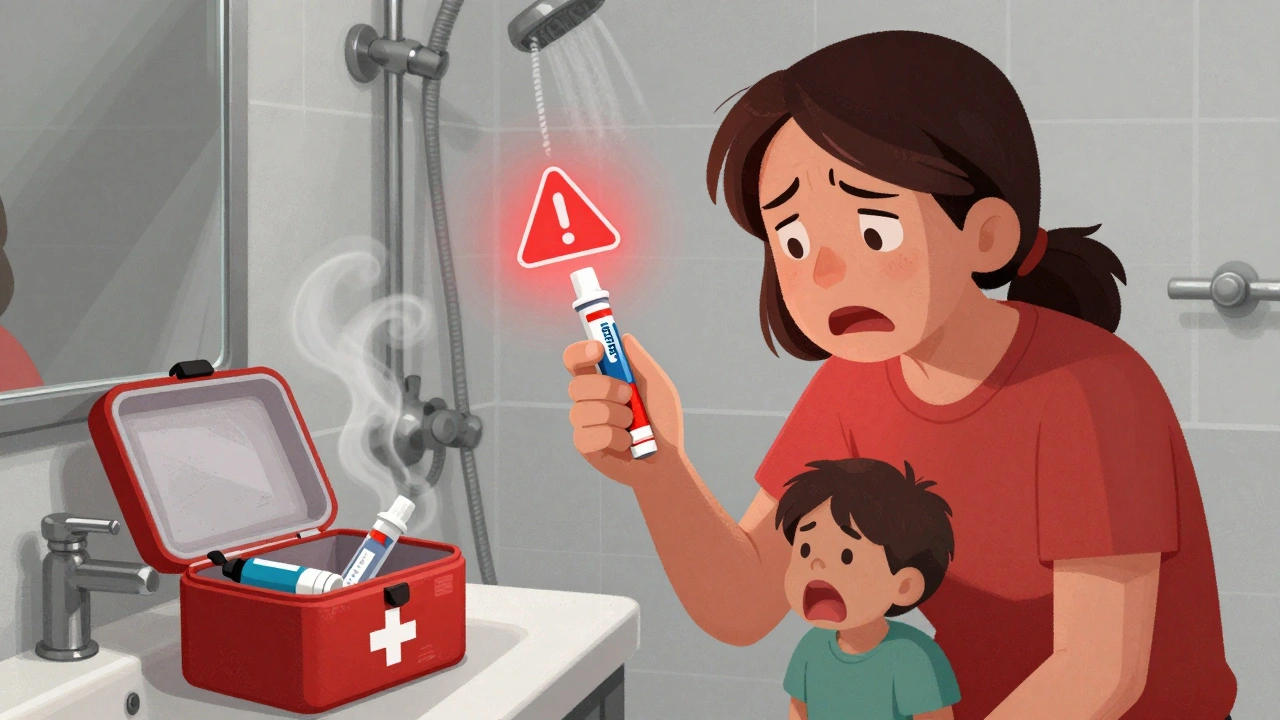
How to Decide When to Replace Expired OTC First-Aid Medications
Learn which expired OTC first-aid meds are safe to use and which ones can be dangerous. Get clear guidelines on when to replace epinephrine, pain relievers, creams, and more - backed by FDA data and real-world studies.
View more