
Drug Side Effects: What They Are, Why They Happen, and How to Handle Them
When you take a medication, your body doesn’t always respond the way you hope. drug side effects, unintended physical or mental reactions to a medication that aren’t the main purpose of the drug. Also known as adverse drug reactions, they can be mild, like a dry mouth or dizziness, or serious enough to send you to the hospital. These aren’t rare mistakes—they’re part of how medicines work. Even safe, FDA-approved drugs can cause side effects because every drug interacts with your body’s complex systems. Some people get them, others don’t. Why? It’s not just luck. Genetics, age, other meds you’re taking, and even your diet play a role.
Take statins, cholesterol-lowering drugs that can cause muscle pain in some people due to genetic variations like SLCO1B1. Or antidepressants, medications that can trigger sleep problems, weight gain, or even dangerous reactions when mixed with alcohol. Even something as simple as an antibiotic ointment, a topical treatment for minor cuts can cause a rash if your skin is sensitive. Side effects aren’t always listed clearly on the bottle. That’s why reading prescription labels, understanding warning symbols, and knowing when to call your pharmacist matters. Many people ignore a weird symptom—like a skin rash or strange fatigue—thinking it’s just stress. But that rash could be drug-induced dermatitis, and that fatigue might be tied to your beta blocker.
What you see in the news—drug shortages, pricing pressure, generic safety concerns—is often linked to how side effects are tracked and reported. Pharmacists and patients both have roles in pharmacovigilance, the system that catches dangerous patterns before they become epidemics. Under-reporting is a real problem. If no one tells anyone about that weird tingling in your feet after starting a new diabetes pill, that symptom might never get flagged as a pattern. That’s why knowing how to spot and report side effects isn’t just helpful—it’s protective.
Below, you’ll find real, practical guides on what to watch for, how to respond, and when to act. From managing nerve pain caused by meds to understanding why your birth control might affect your bones, these posts break down the confusing stuff without the jargon. You’ll learn how to read warning stickers on your prescriptions, what to do if you get a rash, how alcohol changes the game with antidepressants, and why some people can’t tolerate certain drugs at all. This isn’t theory. It’s what people actually experience—and what you need to know to stay safe.
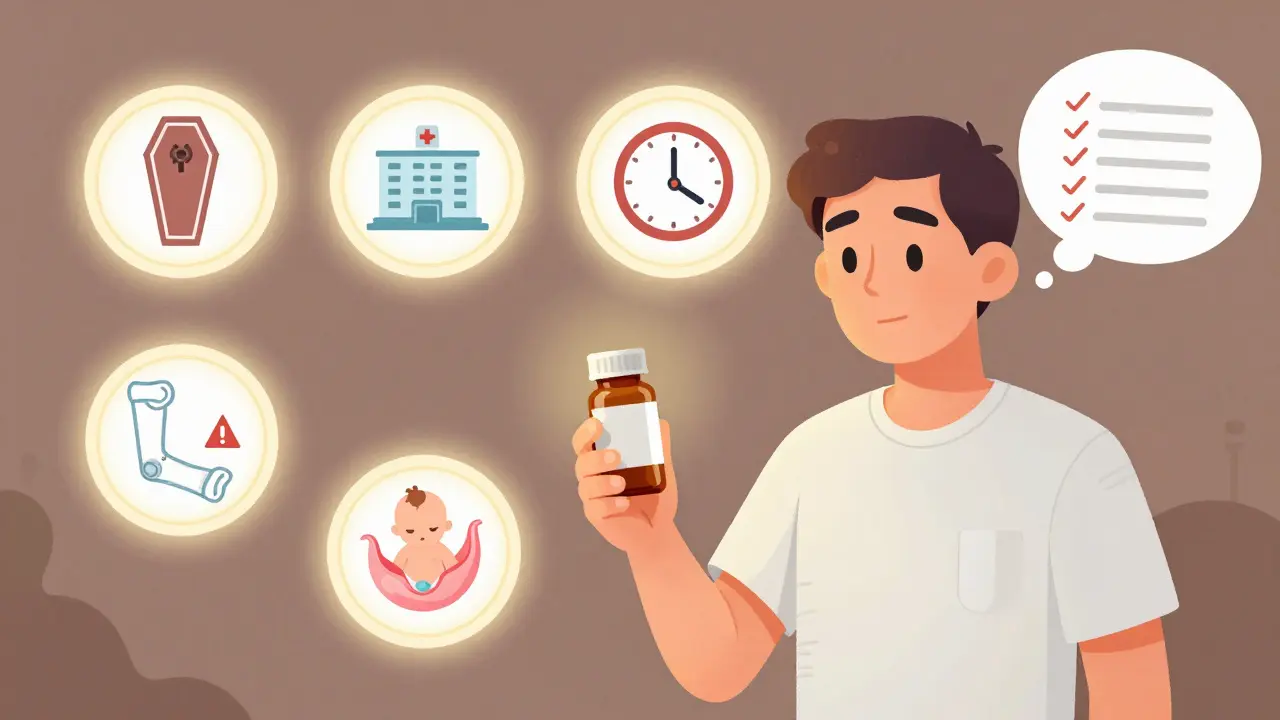
FDA Classification of Serious Adverse Events Explained for Patients
Learn how the FDA defines serious adverse events - and why not every bad side effect is as dangerous as it sounds. Get clear, patient-focused facts on what to watch for and when to act.
View more
How Medicines Work and When They’re Safe to Use
Understanding how medicines work at a molecular level helps you use them safely. Learn about mechanisms of action, drug interactions, and why knowing what your medication does can prevent serious side effects.
View more
Postmarketing Experience Sections: What These Side Effects Mean on Drug Labels
Postmarketing experience sections on drug labels reveal real-world side effects missed in clinical trials. Learn what these terms mean, why they matter, and how to read them correctly to avoid hidden risks.
View more
How to Use OpenFDA and FAERS APIs to Access Drug Side Effect Reports
Learn how to use the OpenFDA and FAERS APIs to access real-world drug side effect reports. Free, official data from the FDA for researchers, developers, and curious patients.
View more