
 26
Mar,2026
26
Mar,2026
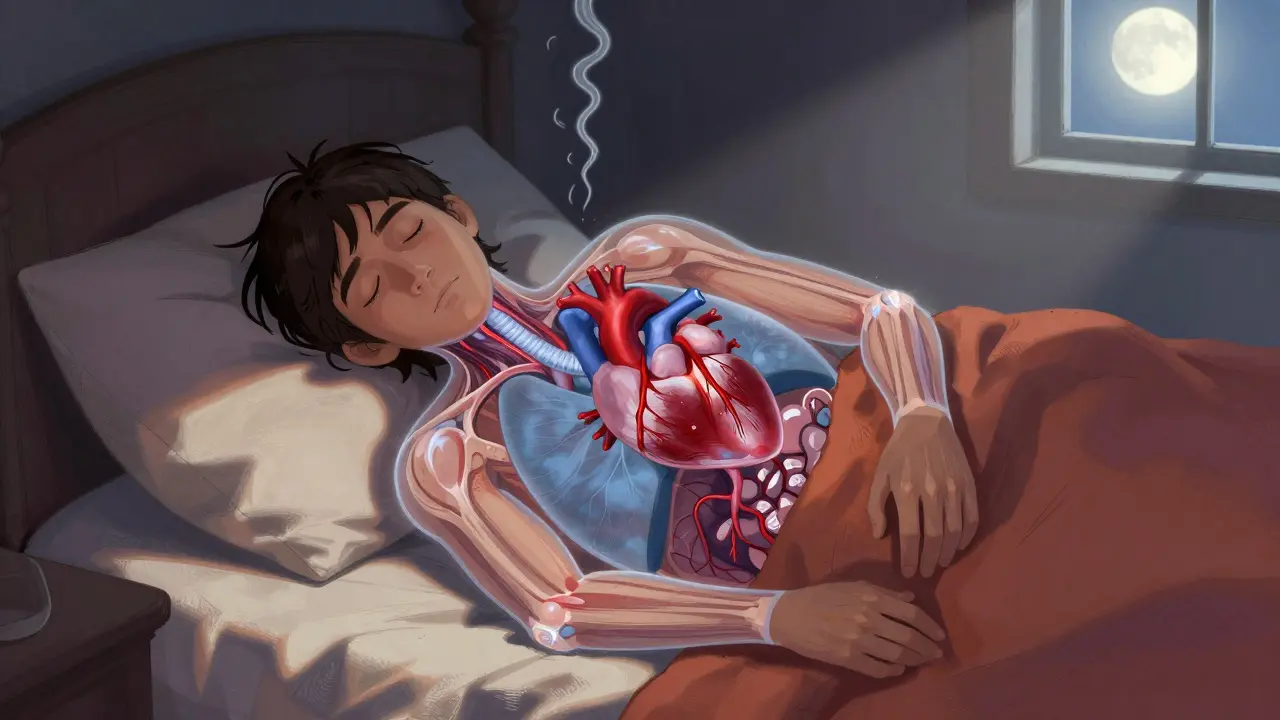
Many people ignore their snoring, thinking it’s just noise. But what if that noise signals your heart is working overtime while you sleep? Obstructive Sleep Apnea is a condition where breathing stops repeatedly during sleep. It affects roughly one billion adults globally according to American Heart Association data from 2024. This disorder does more than ruin rest; it strains your cardiovascular system in ways that mimic severe stress.
When you stop breathing, oxygen levels drop. Your body perceives this as life-threatening danger. It floods your system with adrenaline to force you awake so you can breathe again. Imagine waking up like this thirty times every hour. That constant panic state wears down your arteries and disrupts your heart rhythm. You might wake up feeling tired, but the real damage happens while you lie still.
How Sleep Apnea Spikes Blood Pressure
Most people know high blood pressure as Hypertension, often linked to diet or age. However, untreated sleep apnea creates its own unique version of high pressure. During an apnea event, oxygen saturation falls precipitously. This triggers chemoreflex activation that increases sympathetic tone by 200% to 300%. This surge forces your blood vessels to constrict instantly.
Your blood pressure spiking 20 to 40 mmHg during these episodes creates a pattern of nocturnal hypertension. Unlike normal resting pressure drops at night, people with sleep apnea maintain high readings even while sleeping. Research published in the Journal of Clinical Sleep Medicine indicates severe cases correlate with a 40% to 50% higher risk of cardiovascular events compared to those without the condition. Over time, this constant surging causes physical damage to the arterial lining, known as endothelial damage.
The mechanics involve physical pressure changes in your chest. Intrathoracic pressure swings reach minus 60 to minus 80 cm H2O during obstructive events. These negative pressure swings increase cardiac afterload. When the obstruction releases suddenly, venous return shoots up. This combination strains cardiac chambers and can lead to left ventricular diastolic dysfunction. In fact, 35% to 45% of patients show impaired diastolic function on echocardiography.
The Electrical Storm: Arrhythmias and Afib
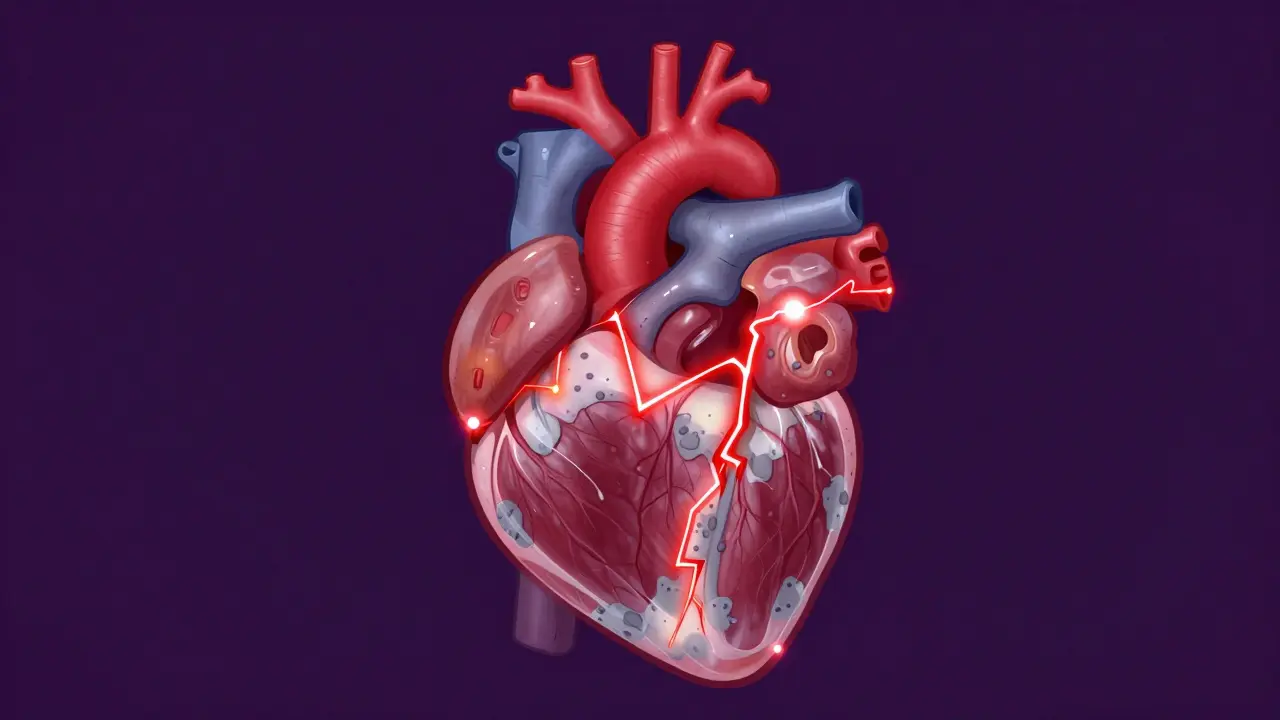
Your heart uses electrical signals to beat in sync. Sleep apnea disrupts this delicate wiring through autonomic imbalance. Vagal withdrawal followed by sympathetic surges promotes atrial instability. This environment is perfect for developing arrhythmias, which are irregular heartbeats. The most concerning issue here is Atrial Fibrillation, or AFib.
Research from UT Southwestern Medical Center shows patients experience 3 to 5 times more frequent episodes of atrial fibrillation compared to matched controls without sleep apnea. While typical hypertension increases this risk by approximately 50%, severe sleep apnea bumps it to 140%. This suggests the breathing disorder acts as a standalone risk factor, independent of weight or age.
Why does this happen? Intermittent hypoxia promotes fibrosis in the atria. A 2024 study in Circulation found OSA patients have 2.3 times more atrial fibrosis on cardiac MRI. Fibrosis replaces healthy muscle tissue with scar-like material. Scar tissue does not conduct electricity properly, creating pathways for chaotic rhythms to form. This damage remains even after treating the apnea, highlighting why early detection matters for younger adults.
Understanding Diagnosis: Tests and Scores
Identifying the problem requires measuring breathing patterns. The standard metric is the Apnea-Hypopnea Index (AHI). This counts how many times you stop breathing per hour of sleep. An AHI of 5 or more events defines the condition. Severity splits into mild (5-14 events), moderate (15-29 events), and severe (30+ events).
| Test Type | Best For | Environment |
|---|---|---|
| Polysomnography | Complex comorbidities | In-lab setting |
| Home Sleep Test | Standard suspected OSA | Comfortable home bed |
For complex cases, doctors recommend in-lab polysomnography. This involves wires attached to your head to monitor brain waves alongside breathing. Home testing suits about 80% of suspected cases because it captures natural sleep behavior without the anxiety of a lab. Diagnosis technically requires symptoms alongside an AHI of 5+, or an AHI of 15+ regardless of symptoms.
Despite clear guidelines, only 20% to 25% of at-risk patients get screened. Primary care settings often miss the signs. If you have unexplained high blood pressure or stroke history, ask for a referral. The American Academy of Sleep Medicine recommends screening all patients with hypertension, atrial fibrillation, stroke, or heart failure. Approximately 45% to 65% of these populations have undiagnosed OSA.
Treating the Problem: CPAP and Therapy
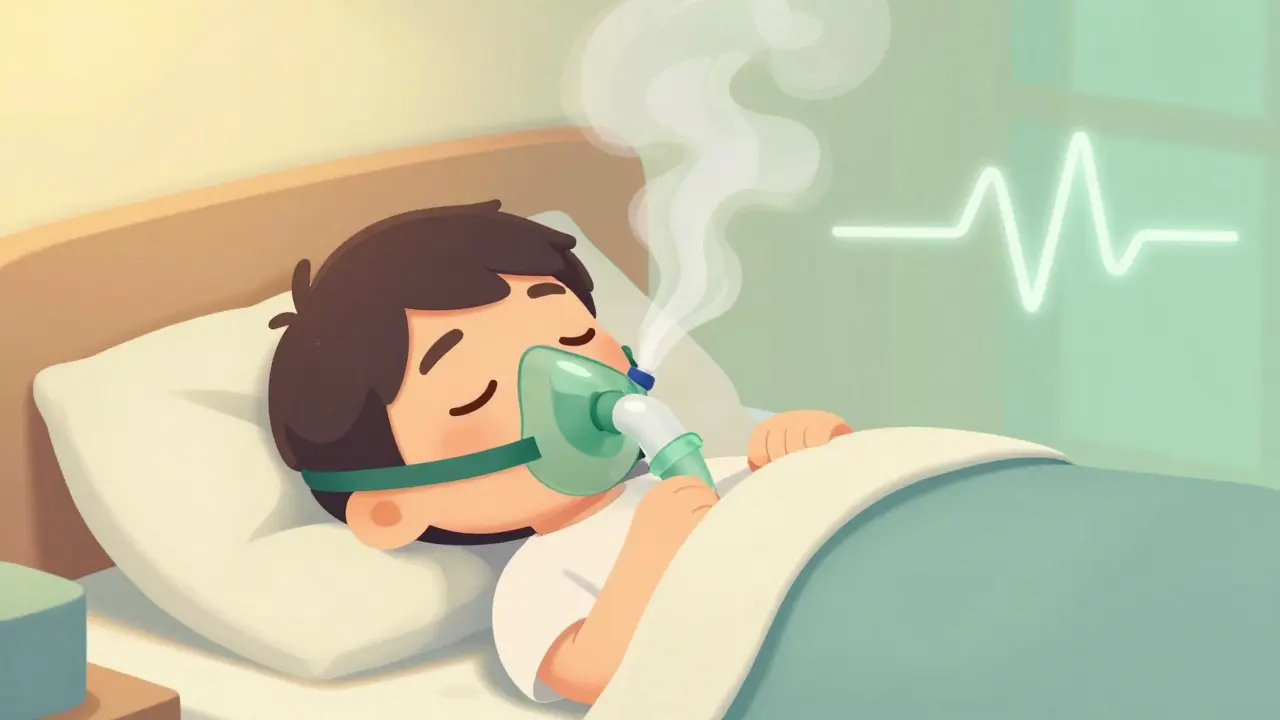
Good news exists regarding reversibility. Treating the airway reduces cardiovascular strain significantly. The gold standard remains Continuous Positive Airway Pressure therapy. This machine blows air into your mask, acting as a pneumatic splint to keep the throat open.
Consistent use lowers systolic blood pressure by 5 to 10 mmHg on average. More importantly, it decreases atrial fibrillation recurrence by 42% after twelve months. One user reported blood pressure dropping from 160/95 to 128/82 within three months of consistent use. Another saw AFib episodes decrease from weekly to once every few months after six months.
Adherence remains the biggest hurdle. Only 46% of patients hit the target of four hours nightly use. Mask discomfort complaints rank highest among users. Strategies like ramp pressure settings, humidification, and replacing cushions every three months help. The learning curve averages 2 to 4 weeks. After thirty days of consistent use, 85% report significant improvement in sleep quality.
Newer alternatives exist for those who cannot tolerate masks. Hypoglossal nerve stimulation devices, like Inspire Therapy, stimulate the tongue to move out of the airway. The STAR trial showed a 79% reduction in AHI for candidates. These options highlight how technology evolves to manage the mechanical cause of the disorder rather than just pushing air.
Screening and Prevention Steps
Prevention starts with recognizing risk factors. Obesity contributes, but thin people get apnea too due to throat anatomy. If your partner notices gasping or choking, take note. Daytime fatigue, morning headaches, and resistant hypertension (high BP despite meds) are classic red flags.
Insurance coverage now reflects the heart risk link. Medicare covers diagnostic testing for patients with hypertension or atrial fibrillation. The global market values sleep apnea devices at over $8 billion, driven largely by the desire to reduce stroke and heart disease risks. Guidelines classify OSA as a Class I risk factor for atrial fibrillation, equal to obesity.
You do not have to live with silent strain. Early intervention protects your heart decades later. Dr. Bhaskar Thakur from UT Southwestern emphasizes screening younger adults because they benefit most from avoiding irreversible fibrosis. Waiting until symptoms worsen means waiting until damage occurs.
Does losing weight cure sleep apnea?
Weight loss helps significantly, especially since fat around the neck compresses the airway. However, anatomical structure plays a role too. Many patients still require therapy even after losing weight, though pressure needs may decrease.
Can sleep apnea cause a heart attack?
Untreated OSA increases coronary artery disease risk by 30%. The stress on the heart raises inflammation and cholesterol buildup over time, making heart attacks more likely in severe cases.
How quickly does CPAP lower blood pressure?
Blood pressure usually begins improving within weeks. Most patients see the full 5 to 10 mmHg drop after consistent nightly use for three months. Some report changes almost immediately upon starting effective therapy.
Is loud snoring always sleep apnea?
Not necessarily, but it is a strong indicator. Primary snoring is less dangerous, but snoring accompanied by breath pauses, gasping, or choking warrants a professional evaluation.
Do I need a doctor to diagnose sleep apnea?
Yes, formal diagnosis requires interpretation of sleep data by a certified physician. Home tests exist, but the prescription and interpretation come from licensed healthcare providers.



My wife finally got diagnosed after years of snoring she never stopped complaining about her fatigue until we did the home sleep study which showed severe apnea events every hour now she uses cpap and feels like a new person in the morning
Its so important people understand the heart risks because we often think its just noise
but your body is screaming under the covers. i hope everyone gets checked out before damage happens
honestly most folks ignore the medical data until they end up in the er
its lazy living and ignoring the science behind why your blood pressure wont go down despite meds
While I agree awareness helps fear tactics rarely work well on motivation alone. Many struggle due to access barriers not lack of knowledge regarding physiology.
The data supports intervention but policy needs to catch up.
This information is absolutely vital!!!
Everyone needs to read this carefully!!
If you have high bp please see a doctor immediately!!
Sleep health equals heart health!!
Dont wait until symptoms get worse!!
I have seen too many people ignore their spouses snoring sounds until they face cardiac issues later.
It really breaks my heart when someone avoids testing because they fear the diagnosis process.
You deserve to wake up refreshed instead of exhausted!
Please share this with family members who might need help too!
Early detection saves lives literally!
Your heart works hard even when you sleep!
Do not ignore the warning signs listed here!
Take control of your health journey today!
Remember that treatment options exist and they work wonders!
Stay strong and informed! ❤️❤️
Your enthusiasm borders on performative virtue signaling regarding medical advice.
People know better than to ignore hypertension statistics yet they still do nothing regardless of viral threads.
Stop acting like a nurse practitioner with a keyboard.
Glad someone is talking about the heart link directly
A concise observation is often more valuable than lengthy anecdotes.
Yet brevity does not negate the severity of the physiological threats involved in untreated airway obstruction.
lets all commit to helping our partners get screened if they snore loudly enough to bother others
it changes everything for everyone involved and leads to better mornings for us all!