
Weight Conversion Errors: Avoid Costly Mistakes in Medication Dosing
When a patient’s weight is misread—say, 70 kilograms mistaken for 70 pounds—it’s not just a small typo. It’s a weight conversion error, a mistake in translating body weight between metric and imperial units that directly impacts drug dosage. Also known as unit conversion error, it’s one of the most common and dangerous causes of medication mistakes in hospitals and pharmacies. These errors don’t happen in labs or on paper—they happen when a nurse reads a chart, a pharmacist calculates a dose, or a parent gives a child medicine based on the wrong number.
It’s not just about pounds and kilograms. Decimal points get lost. A dose meant to be 0.5 mg becomes 5 mg. A 150-pound adult is treated like a 15-pound child. These aren’t hypotheticals. Studies from the FDA and the Institute of Medicine show that weight conversion errors contribute to thousands of preventable adverse events every year. The most common victims? Kids, the elderly, and people on narrow-therapeutic-index drugs like chemotherapy agents, heparin, or insulin. A 10% dosing error with warfarin can cause internal bleeding. A 100% error with a pediatric antibiotic can be fatal.
These mistakes aren’t just about math—they’re about systems. A hospital might use kilograms but a form is printed in pounds. A pharmacy tech might rely on memory instead of a calculator. A parent might guess their child’s weight because they don’t have a scale. Even the best-trained staff can slip when they’re rushed, tired, or working with poor design. That’s why tools like automated dose calculators, double-check protocols, and digital weight entry are no longer optional—they’re lifesavers.
You’ll find posts here that dig into real cases where a simple mix-up led to hospitalization, how pharmacists are building better safeguards, and why the FDA now requires weight in kilograms on all new prescriptions. You’ll also see how to read your own prescription labels to catch red flags, what questions to ask before taking a new medicine, and how to verify your child’s dose before giving it. These aren’t theoretical guidelines. They’re the kind of checks that keep people alive.
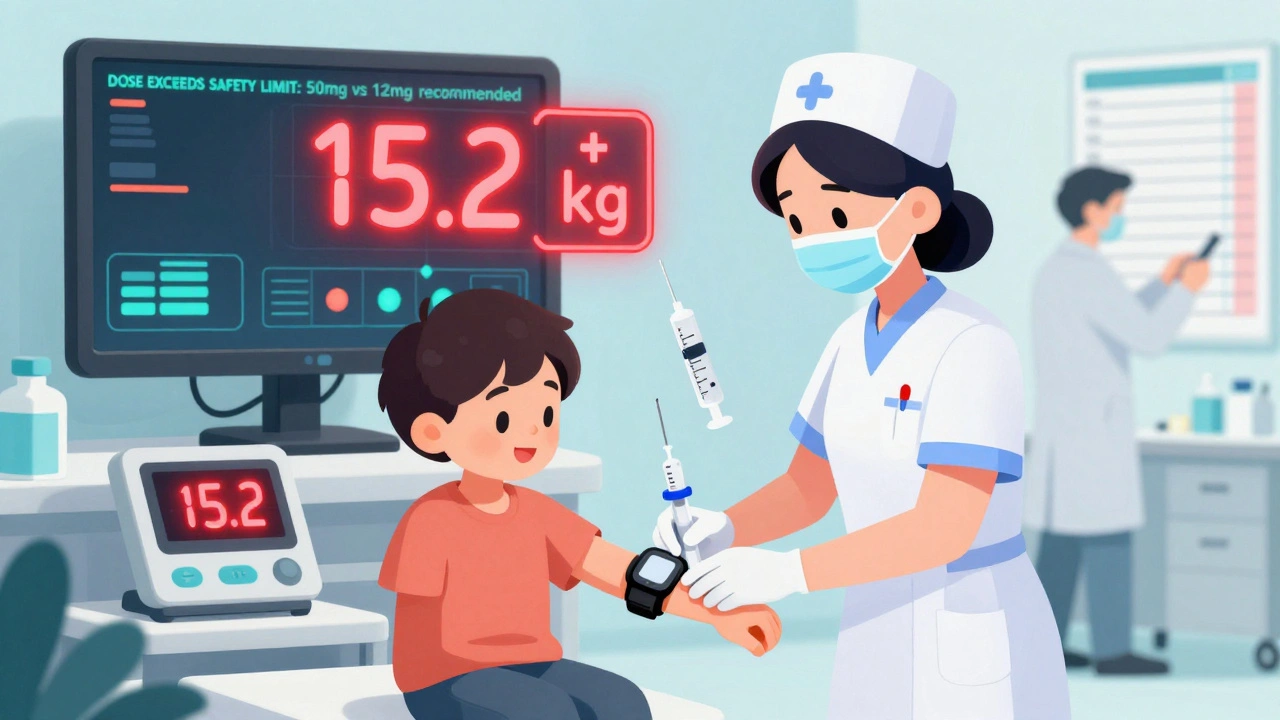
How to Prevent Pediatric Dispensing Errors with Weight-Based Checks
Pediatric medication errors often stem from weight calculation mistakes. Learn how weight-based verification systems at prescription, pharmacy, and bedside levels prevent dosing errors and save children's lives.
View more