
Nerve Damage: Causes, Symptoms, and How Medications Can Help or Hurt
When your nerve damage, injury or dysfunction of the peripheral nerves that send signals between the brain, spinal cord, and the rest of the body. Also known as neuropathy, it often shows up as tingling in the hands or feet, sharp pain, or a feeling like you’re wearing socks when you’re not. It’s not just discomfort—it can make walking, holding a cup, or sleeping impossible. Nerve damage doesn’t happen out of nowhere. It’s usually tied to something else: diabetes, injury, infection, or even certain medications. And while some treatments help, others can make it worse.
One of the most common causes is diabetic neuropathy, nerve damage caused by high blood sugar over time. Nearly half of people with diabetes develop it. But it’s not just diabetes. Chemotherapy, long-term alcohol use, and even some antibiotics can trigger it. Then there’s the tricky part: some of the drugs used to treat nerve pain—like certain antidepressants or anti-seizure meds—can help, but they come with side effects that affect sleep, mood, or even liver function. You might be treating the pain but accidentally making another problem worse.
And here’s something most people don’t realize: nerve damage doesn’t always show up on scans. Doctors often diagnose it by how you describe the pain—burning? Electric? Numb?—and by simple tests like checking your reflexes or sensitivity to touch. That’s why knowing your symptoms matters more than you think. If you’ve been on a medication for months and suddenly feel like your fingers are asleep, or your feet burn at night, it might not be aging. It might be your drugs.
Some of the posts below look at how antidepressants interact with alcohol, and why mixing them can mess with your nervous system. Others show how certain pain meds can cause skin rashes or even worsen nerve symptoms. There’s also info on how genetic differences affect how your body handles drugs like statins—same principle applies to nerve pain meds. Your genes might tell you whether a drug will help or hurt your nerves before you even take the first pill.
You’ll find practical advice on spotting early signs, checking for drug interactions that could be damaging your nerves, and how to talk to your pharmacist about what’s really in your medicine cabinet. This isn’t about guessing. It’s about knowing what’s causing your pain, what’s making it worse, and how to protect your nerves before it’s too late.
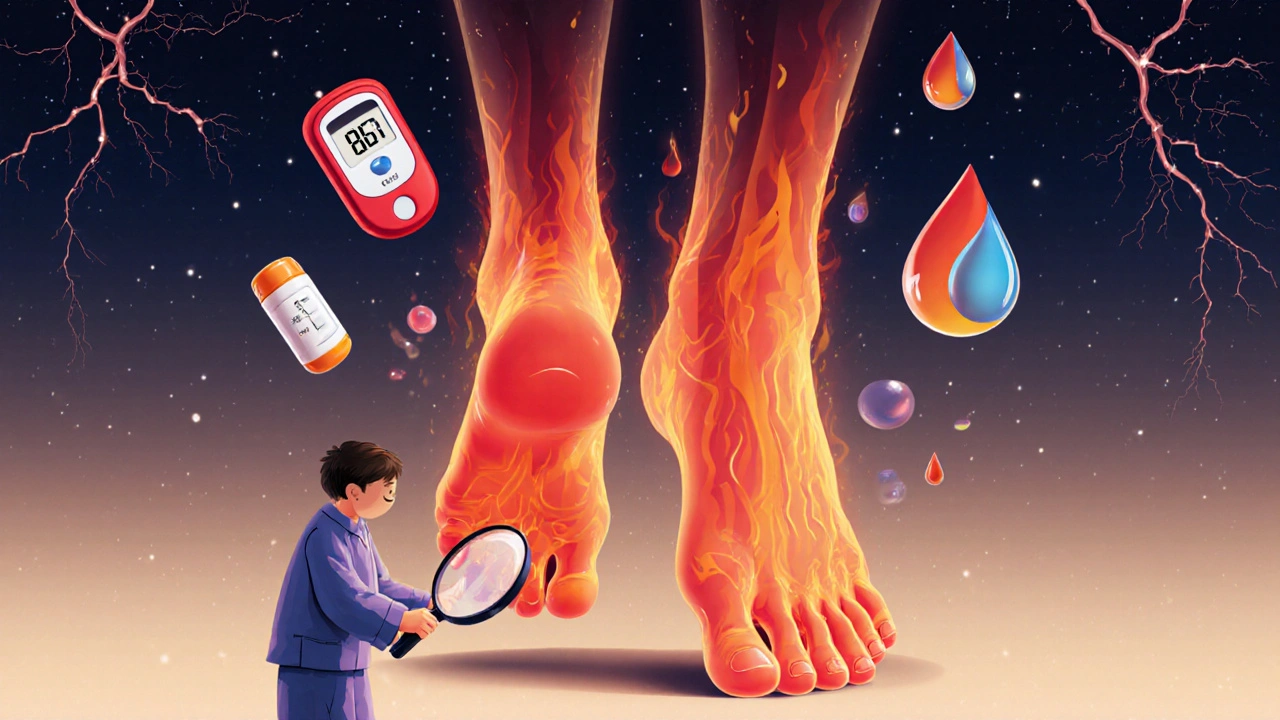
Peripheral Neuropathy: Common Causes and Effective Pain Management Strategies
Peripheral neuropathy causes burning, numbness, and balance issues, often from diabetes or vitamin deficiency. Learn proven pain treatments, what actually works, and how to prevent further nerve damage.
View more