
FDA Approval: What It Really Means for Your Medications
When you see FDA approval, the U.S. Food and Drug Administration’s official stamp that a drug is safe and effective for its intended use. Also known as drug clearance, it’s not a guarantee of perfection—it’s a green light to start selling, not a final verdict on long-term safety. Many people think FDA approval means a drug has been tested forever and is completely risk-free. That’s not true. The agency reviews data from clinical trials, but those trials are often short, involve limited groups, and can’t catch every side effect. That’s why what happens after approval matters just as much.
The real story of drug safety starts after the FDA says yes. Post-market surveillance, the system the FDA uses to track drugs once they’re in the hands of millions of real patients is where hidden risks show up. Tools like FAERS (the FDA Adverse Event Reporting System) and Sentinel collect data from doctors, pharmacists, and even patients themselves. These systems found problems with drugs that clinical trials missed—like rare heart issues, liver damage, or dangerous interactions. And it’s not just brand-name drugs. Generic drugs, copies of brand-name medications that must meet the same standards for strength, purity, and performance are monitored just as closely. But because generics are cheaper and used more widely, even rare side effects can affect thousands. That’s why pharmacists and patients need to report anything unusual.
What you won’t see on the label is how much of this system relies on people like you. A single report from a pharmacist noticing a pattern of dizziness with a new generic version of a blood pressure pill can trigger a full FDA review. A patient who calls their doctor after a strange rash from an OTC painkiller might help stop a wider problem. Drug safety, the ongoing process of protecting people from harm after a medication hits the market isn’t just a government job—it’s a shared responsibility. The FDA doesn’t have eyes everywhere, but it does have tools to connect the dots when enough people speak up.
And here’s the truth: FDA approval is just the beginning. Some drugs get approved based on limited data because they treat serious conditions with no other options. Others sit on shelves for years because the manufacturer can’t prove they’re better than what’s already out there. What matters isn’t just whether a drug passed the initial test—it’s whether it’s still safe and working well years later. That’s why understanding how the system works helps you ask better questions, spot red flags, and take control of your own care. Below, you’ll find real examples of how this system plays out—from how generics are tracked after approval, to how patients use free FDA data to find hidden side effects, to what happens when a drug’s risks show up too late.
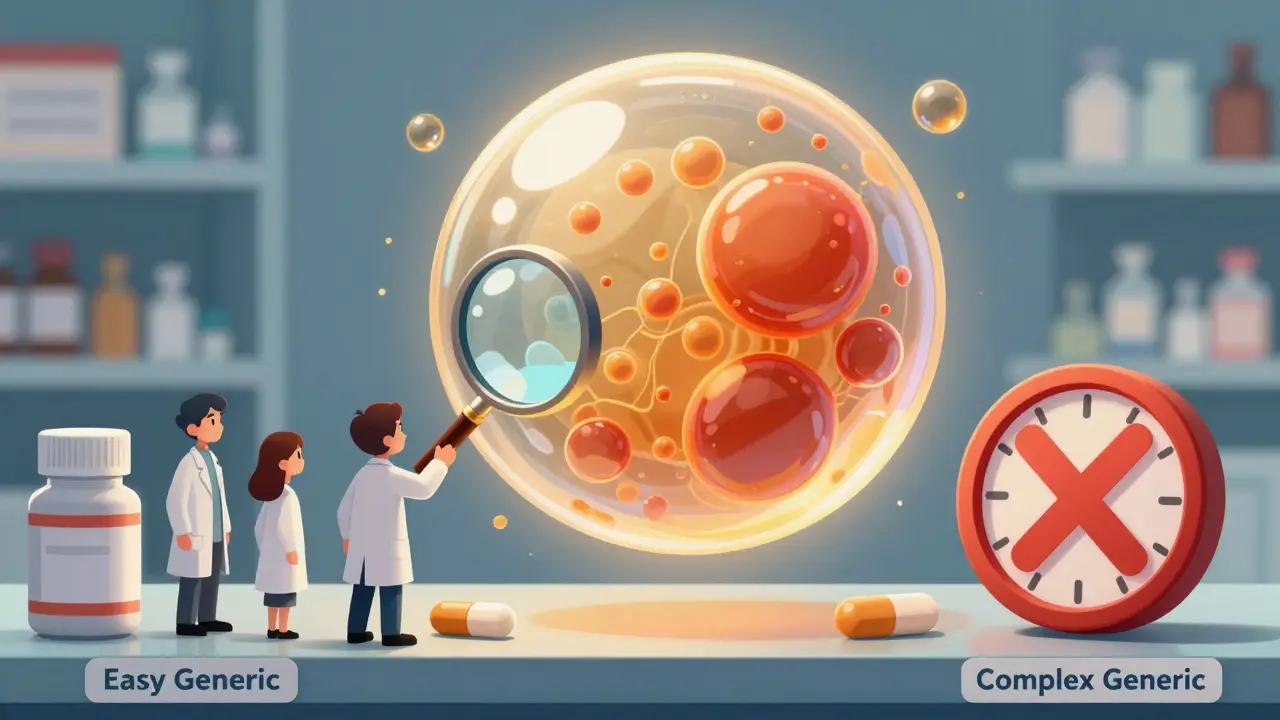
Complex Generic Drugs: Why Some Products Are Harder to Get FDA Approval
Complex generic drugs face major scientific and regulatory hurdles that delay FDA approval, leaving patients without affordable alternatives even after brand-name patents expire. Learn why these drugs are so hard to copy.
View more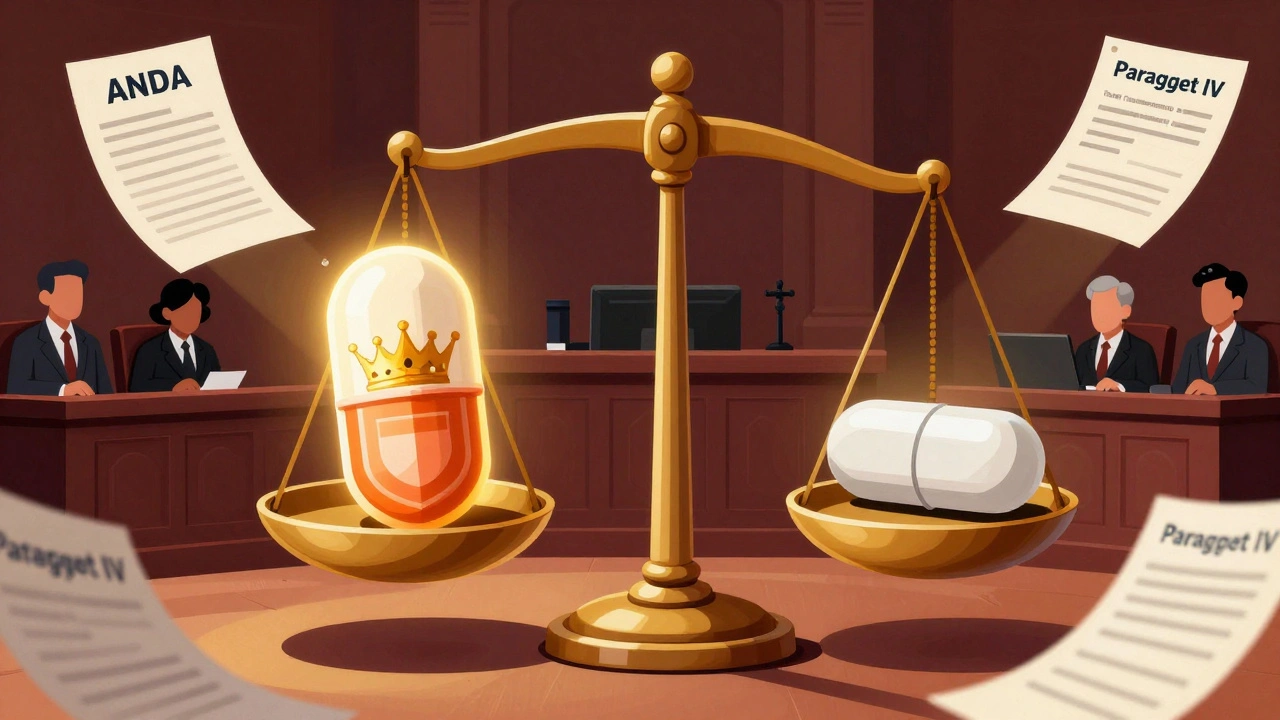
Hatch-Waxman Act: How It Shaped Generic Drugs in the U.S.
The Hatch-Waxman Act created the modern system for generic drug approval in the U.S., balancing innovation and affordability. It cut drug costs by billions while keeping new drugs coming. Here's how it works-and why it's still vital today.
View more