
FDA Adverse Event Reporting System: What It Is and Why It Matters
When you take a medication, you trust it’s safe—but safety isn’t just proven in clinical trials. The FDA Adverse Event Reporting System, a public database where healthcare providers and patients report unexpected side effects from drugs and medical products. Also known as FAERS, it’s the backbone of post-market drug safety in the U.S. This isn’t theory. It’s real people reporting chest pain after a new blood pressure pill, a rash from a generic antibiotic, or confusion after mixing two OTC meds. These reports don’t prove a drug causes harm, but they’re the earliest warning signs that something’s off.
The FAERS, the database managed by the FDA to collect and analyze reports of adverse events from medications, vaccines, and medical devices. works because it’s open. Pharmacists, doctors, nurses, and even patients can submit reports. That’s why posts about adverse event reporting and pharmacovigilance keep popping up here—because the system only works if people use it. A pharmacist noticing more cases of muscle pain with a generic statin? That report could lead to a warning. A parent reporting insomnia after their teen started fluoxetine? That’s data that might change how doctors prescribe it. The system doesn’t replace clinical trials—it completes them. Real life is messier than a lab, and FAERS catches what trials miss: interactions, rare reactions, long-term effects, and how drugs behave in older adults, kids, or people with multiple conditions.
And it’s not just for drugs. The same system tracks side effects from vaccines, supplements, and even medical devices. That’s why posts about OpenFDA, a public tool that lets anyone search and download FDA adverse event data in machine-readable format. and how to use its API are so popular. You don’t need to be a scientist to dig into it. If you’re curious why a medication you’re taking has a new warning label, or if you’ve noticed a pattern in side effects among friends, FAERS and OpenFDA give you direct access to the raw data the FDA uses. No filters. No summaries. Just the reports.
What you’ll find in the posts below isn’t just technical jargon. It’s real stories: a pharmacist explaining why under-reporting puts lives at risk, a patient learning how to use FAERS to check a drug’s safety history, a developer showing how to pull side effect data for research. These aren’t abstract concepts—they’re tools for staying safe. Whether you’re managing your own meds, helping a family member, or just want to understand how drug safety really works, the system behind FAERS is your invisible shield. And knowing how it works? That’s the first step in using it wisely.
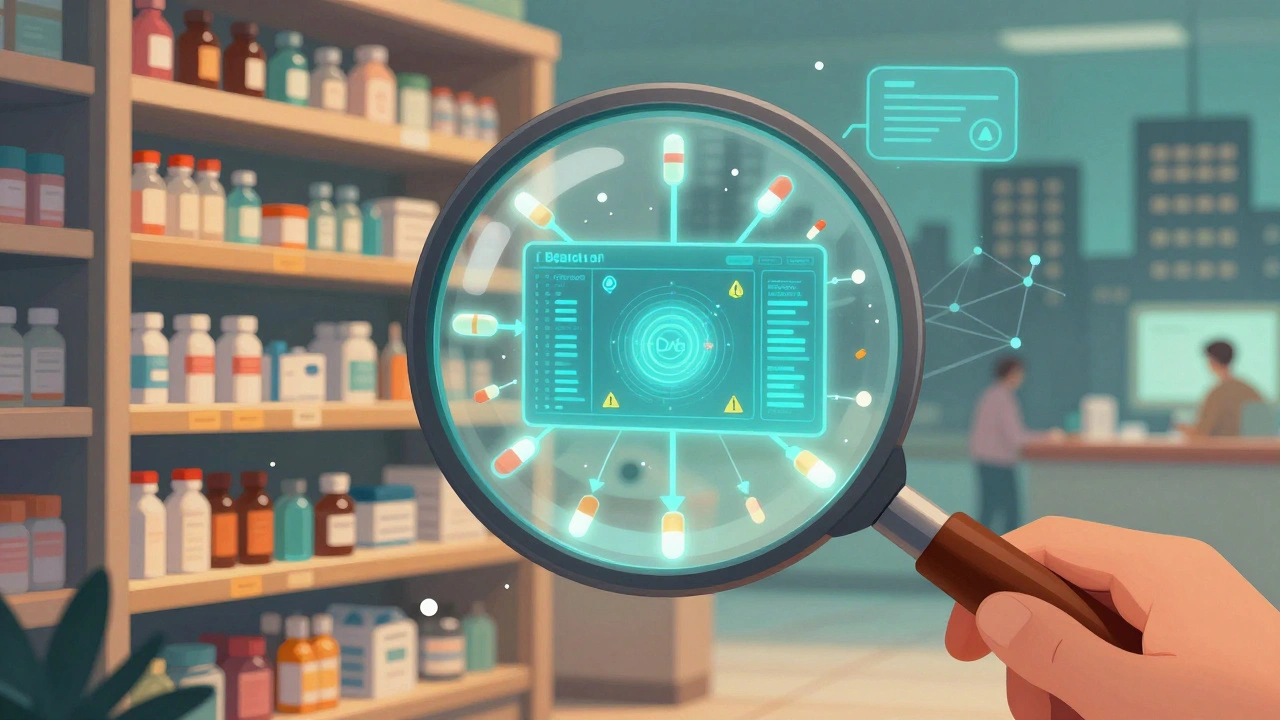
Post-Market Surveillance: How the FDA Monitors Generic Drugs After Approval
The FDA monitors generic drugs after approval using real-world data, adverse event reports, and AI tools to ensure ongoing safety. Learn how systems like FAERS and Sentinel catch problems that clinical trials miss.
View more