
 19
Dec,2025
19
Dec,2025
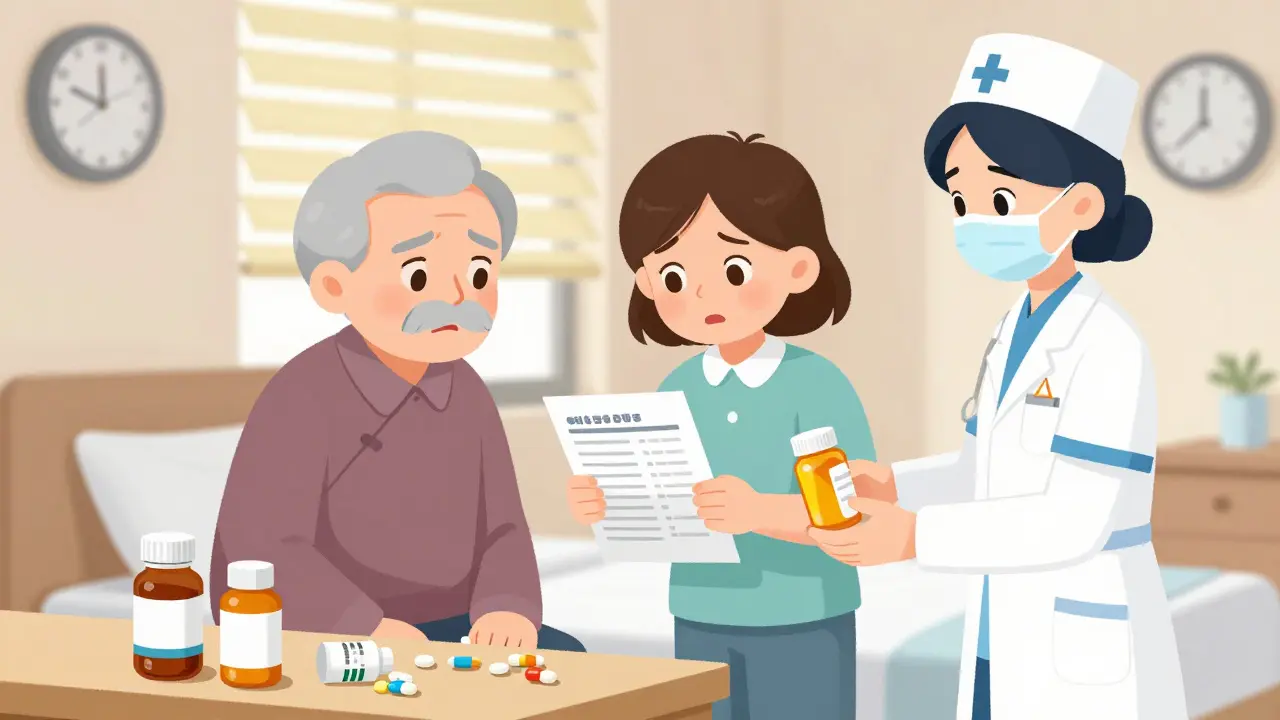
Every year, over 250,000 medication errors happen in U.S. nursing homes - and most go unreported. For older adults taking five, six, or even ten different pills a day, a single mistake can mean a fall, a hospital trip, or worse. The problem isn’t always a nurse forgetting a dose. It’s often a system failure: the wrong drug prescribed because two brand names sound alike, a pill given two hours late because the schedule wasn’t updated, or a medication that’s been expired for months sitting in a drawer. These aren’t rare accidents. They’re predictable, preventable, and happening right now in facilities near you.
What Counts as a Medication Mistake in Seniors?
A medication error isn’t just giving the wrong pill. It’s any mistake that could harm someone - and in older adults, even small ones matter. According to the Medication Error Quality Initiative, the most common types include:- Wrong dosage (42.7% of errors): Too much or too little. A senior might get 10 mg of a blood thinner instead of 5 mg - enough to cause internal bleeding.
- Wrong time or rate (23.1%): Giving a pill meant for bedtime at breakfast, or infusing an IV too fast.
- Wrong medication (15.8%): Mixing up similar-sounding drugs like hydrochlorothiazide and hydroxyzine.
- Wrong route: A pill meant to be swallowed gets crushed and put in a feeding tube.
- Monitoring failure: No one checks blood pressure after a new blood pressure med is started.
And then there’s the silent killer: duplication. A doctor prescribes Tylenol, but the patient is already taking Excedrin, which also contains acetaminophen. That’s two doses of the same drug - and it can cause liver damage. The American Geriatrics Society’s Beers Criteria® lists 34 drugs that are too risky for seniors, yet 43.8% of Medicare beneficiaries still get at least one of them.
How to Spot a Medication Error - The Five Rights
If you’re helping an elderly loved one manage their meds, you don’t need to be a nurse. You just need to check the Five Rights every single time a pill is given:- Right patient: Is this the person’s name on the label? Double-check the ID band or chart.
- Right drug: Does the pill match what the doctor prescribed? Look up the name and color online if you’re unsure.
- Right dose: Is it the exact amount? A 5 mg tablet isn’t the same as a 10 mg tablet.
- Right route: Is it supposed to be swallowed, placed under the tongue, or injected?
- Right time: Is it being given when it’s supposed to be? Many seniors need meds at exact times - like warfarin at 6 PM daily.
Studies show that following these five steps cuts errors by 63%. You don’t need to be perfect - just consistent. Keep a printed list of each medication, its dose, and the time it’s due. Compare it to what the nurse or caregiver is handing out. If something doesn’t match, ask.
Why Errors Keep Happening - The Real Reasons
It’s not that staff are careless. Most are overworked. The average nursing home has just 2.1 nurses per 100 residents. That’s less than one nurse for every 50 people - and many of those residents need help eating, bathing, and moving. In that chaos, mistakes slip through.Another big reason? Poor communication between doctors, pharmacies, and caregivers. A senior might see three different doctors - a cardiologist, a neurologist, and a primary care physician - and none of them know what the others prescribed. That’s how someone ends up on four different blood thinners. The CDC says polypharmacy - taking five or more drugs - is the strongest predictor of errors. With eight or more meds, the error rate jumps to nearly 60%.
And then there’s the silence. Families often don’t speak up because they’re afraid of rocking the boat. Staff may hide errors because they fear punishment. But research shows that when facilities blame people instead of fixing systems, errors keep happening. The most effective reporting systems - like MEDMARX - focus on what went wrong in the process, not who made the mistake.
How to Report a Medication Error - Step by Step
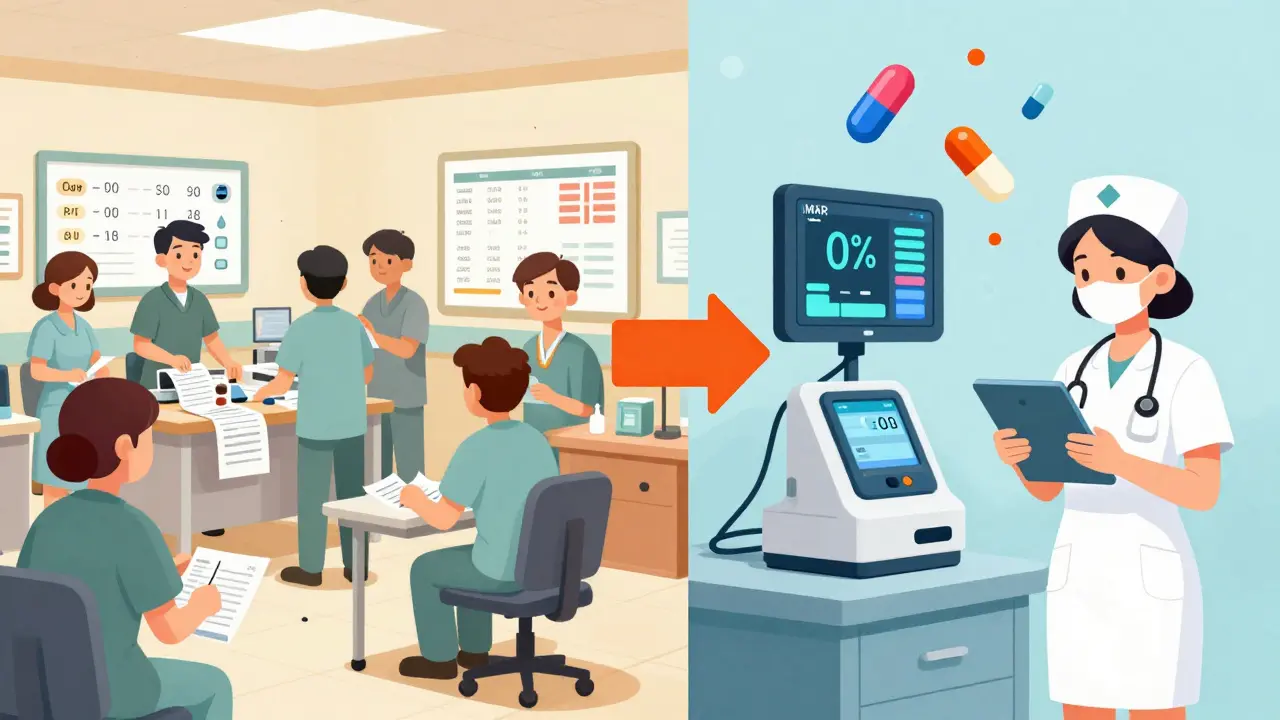
If you catch a mistake, don’t wait. Don’t assume someone else will report it. Here’s how to act:- Stop the error immediately. If a nurse is about to give the wrong pill, say, “Hold on - I think this isn’t right.”
- Document everything. Write down: the name of the medication, the dose, the time, who gave it, and what you think went wrong. Take a photo of the pill bottle if you can.
- Notify the prescribing doctor. Call their office right away, especially if the error could be life-threatening (like too much insulin or blood thinner).
- Report to the facility. Ask to speak to the director of nursing or the facility’s safety officer. Fill out their internal incident report. Don’t just say, “I think there was a mistake.” Say, “At 3:15 PM on December 12, my mother was given 10 mg of lisinopril instead of 5 mg. Here’s the pill bottle and the medication log.”
- File a formal complaint. If the facility denies it, ignores you, or blames your loved one for being “confused,” contact your state’s Long-Term Care Ombudsman Program at 1-800-677-1116. They’re federally funded advocates who investigate complaints - and they have legal power to demand records.
- Report to the FDA. For serious side effects or dangerous drugs, use the FDA MedWatch program. You don’t need a doctor’s note. Just describe what happened.
Some states require formal reports within 24 to 72 hours. California requires reporting within 24 hours for serious errors. New York gives you 48. Texas, 72. Know your state’s rules.
What Happens After You Report?
Good facilities will respond quickly. Families who report errors and get a clear response from leadership say their loved ones’ care improved within days. One Reddit user wrote: “When I caught the nurse giving my mom double doses of blood pressure meds, the facility refused to file a report - until I threatened to call the state ombudsman. Then they apologized, changed the system, and sent me a letter explaining the fix.”But not all facilities respond well. Some deny the error. Some blame the patient. Some say, “We’ve never had this problem before.” That’s a red flag. If they refuse to document it, keep your own records. Send a certified letter to the facility’s administrator. Keep copies of everything.
And here’s the hard truth: only 14% of medication errors are reported through mandatory systems. The other 86%? They vanish. That’s why your report matters. It’s not just about your loved one - it’s about stopping the next mistake.
Tools and Tech That Can Help
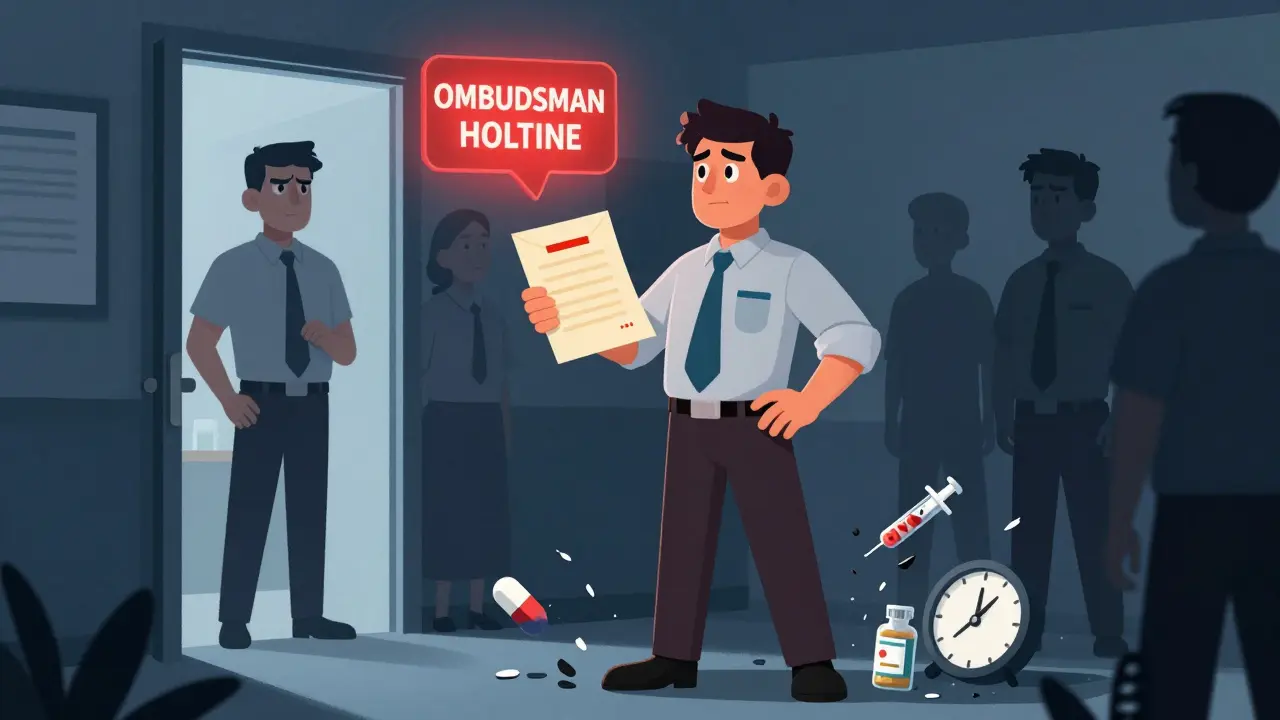
You don’t have to do this alone. Technology is finally catching up:- Barcode medication administration: Many hospitals now scan a patient’s wristband and the pill before giving it. This cuts errors by 86%. Ask if your loved one’s facility uses this.
- Electronic medication records (eMAR): Since 2025, all U.S. nursing homes must use these. They flag duplicates, allergies, and dangerous interactions. If they don’t have one, ask why.
- Medication reconciliation: This is a formal review of all meds every time a patient moves between care settings - from hospital to rehab to home. It prevents 67% of adverse events in seniors on five or more drugs. Make sure it’s done at every transition.
- AI tools like MedAware: New systems can predict dangerous prescriptions before they’re written. They’re still rare in nursing homes, but they’re coming fast.
Even without tech, you can use simple tools: a free app like Medisafe or MyTherapy to track meds, set alerts, and share logs with caregivers.
What You Can Do Today
You don’t need to wait for a crisis. Start now:- Make a printed list of every medication your loved one takes - including vitamins and supplements.
- Take it to every doctor appointment. Ask: “Is this still needed? Could any of these interact?”
- Check expiration dates on all bottles. Expired meds are a top complaint in nursing homes.
- Ask the facility: “Do you use barcode scanning? Do you do full medication reconciliation after hospital stays?”
- Know your state’s ombudsman number. Save it in your phone.
- Visit unannounced. Watch how meds are given. Ask questions. Don’t be polite - be persistent.
Medication safety isn’t just a job for nurses. It’s a family responsibility. And the more families speak up, the safer seniors become.
Frequently Asked Questions
What should I do if a nursing home denies a medication error happened?
Document everything - dates, times, names, and what was given. Take photos of pill bottles or medication logs. Send a certified letter to the facility’s administrator and copy the state Long-Term Care Ombudsman. If they still refuse to act, file a formal complaint with your state’s Department of Health. Many states require facilities to respond to complaints within 10 business days. Keep copies of all correspondence.
Can I report a medication error even if my loved one wasn’t hurt?
Yes. In fact, you should. Many serious errors are caught before harm occurs - like a nurse catching a double dose before it’s given. Reporting near-misses helps facilities fix systems before someone gets hurt. The AHRQ’s Common Formats system specifically encourages reporting all errors, regardless of outcome, to identify patterns and prevent future incidents.
Are over-the-counter meds and supplements included in medication error reporting?
Absolutely. Many seniors take OTC painkillers, sleep aids, or herbal supplements - and these often interact dangerously with prescription drugs. For example, mixing ibuprofen with blood thinners can cause internal bleeding. All medications, including vitamins and supplements, should be listed on the medication record. If a mistake involves one of these, it counts as a medication error and should be reported.
How do I know if my loved one is on a high-risk medication?
Check the American Geriatrics Society’s Beers Criteria® - it lists 34 medications that are risky for seniors, including benzodiazepines like diazepam, anticholinergics like diphenhydramine (Benadryl), and certain NSAIDs. Ask the doctor: “Is this on the Beers list? Is there a safer alternative?” Many older drugs are still prescribed out of habit, even though safer options exist.
What if I’m not sure whether something is an error?
When in doubt, ask. Call the prescribing doctor or pharmacist and say: “I’m reviewing my loved one’s meds and noticed [describe the situation]. Is this correct?” Pharmacists are trained to catch errors and are often more willing to help than facility staff. You don’t need proof - just concern. It’s better to check and find nothing than to assume everything’s fine.


OMG this is so real i checked my grandma's meds last week and found three pills she wasn't supposed to be taking and one expired benadryl from 2019 like how is this even allowed
Barcodes and eMAR systems are mandatory in the US now but many facilities still use paper logs. If they don't have electronic records, ask why. It's not just negligence-it's systemic failure.
They call it elder care but it's really elder neglect with a badge. If your mom gets the wrong pill and dies, they'll say she was 'fragile.' If it was your dog, they'd be arrested.
Let’s be real-the real problem isn’t the nurses, it’s the profit-driven corporate chains that cut staffing to 2.1 RNs per 100 beds. That’s not a staffing ratio, that’s a death sentence with a clipboard. They don’t want barcode scanners because they cost money. They want liability waivers and quiet graves.
And don’t get me started on the FDA letting pharma push Beers Criteria drugs because they’re still patent-protected. Diphenhydramine for sleep? That’s not a remedy-it’s chemical dementia. They’re drugging our grandparents into compliance.
And the ombudsman? A joke. They get 300 complaints a week and 12 staff. They’ll reply with a form letter signed by a temp. You want change? File with the AG’s office. Send your docs to the state senate. Stop asking. Start threatening.
I reported my uncle’s double-dose of warfarin. The facility said it was a ‘one-time clerical error.’ Two weeks later, he was in ICU. They never fixed the system. They just fired the nurse. Classic.
They call it ‘medication error’ like it’s a typo. It’s not. It’s manslaughter with a pill bottle.
It is imperative to acknowledge that the prevalence of polypharmacy among the geriatric population constitutes a profound public health concern, one which is exacerbated by the absence of standardized medication reconciliation protocols across care transitions. The American Geriatrics Society’s Beers Criteria, while empirically validated, remains underutilized due to cognitive inertia among prescribers who persist in adhering to outdated therapeutic paradigms rooted in anecdotal practice rather than evidence-based medicine.
Furthermore, the institutional failure to implement electronic medication administration records (eMAR) in compliance with federal mandates as of 2025 reflects a systemic dereliction of fiduciary duty by facility administrators who prioritize fiscal efficiency over patient safety. Such negligence, when quantified against the 86% reduction in error rates demonstrated by barcode scanning systems, constitutes a preventable epidemic of iatrogenic harm.
It is also noteworthy that familial reluctance to report errors stems not from apathy, but from a pathological fear of retribution-a phenomenon which, in sociological terms, may be classified as institutional gaslighting. The onus, therefore, must be placed upon regulatory bodies to enforce mandatory reporting without fear of reprisal, and to establish independent oversight commissions with subpoena power.
Moreover, the normalization of over-the-counter pharmaceuticals such as diphenhydramine and ibuprofen in geriatric regimens, despite their well-documented anticholinergic and nephrotoxic profiles, represents a catastrophic failure of pharmacovigilance. This is not a matter of individual negligence; it is a structural collapse of the healthcare continuum.
Until the Centers for Medicare & Medicaid Services (CMS) impose financial penalties on facilities with error rates exceeding 1.5 per 100 resident-days, and until prescribers are held legally accountable for prescribing Beers Criteria drugs without documented justification, these tragedies will persist as statistically predictable outcomes of a broken system.
Thank you for sharing this. As a geriatric care coordinator in Ontario, I can confirm that the Five Rights checklist is the single most effective tool families have. We train all staff on it, but families who use it consistently? They’re the ones who catch the errors before they happen. Keep asking questions. Keep documenting. You’re not being difficult-you’re saving lives.
theyre all in on it. the meds, the nursing homes, the fda. they want old people to die quiet so they can sell the houses. i found my aunt's pill bottle with a fake label and the real one in the trash. they knew i was watching. they dont care. theyre waiting for the checks to clear
I’ve been helping my uncle manage his meds for three years now. The biggest change? I started printing out every prescription from the pharmacy and comparing it to what the home gives him. Found three mismatches in six months. It’s not hard. Just take five minutes every day. It’s the only thing keeping him alive.