 15
Apr,2026
15
Apr,2026
Starting a weight loss journey with a GLP-1 medication often feels like a trade-off. On one hand, you have the promise of significant weight loss-sometimes 15-20% of your body weight. On the other, you're facing a stomach that doesn't always cooperate. If you've felt like you're constantly fighting a wave of nausea or wondering if your dose is too high, you're definitely not alone. About 20-30% of people deal with these gastrointestinal hurdles, but the good news is that there are concrete ways to make the process much smoother.
The Reality of the "GLP-1 Stomach"
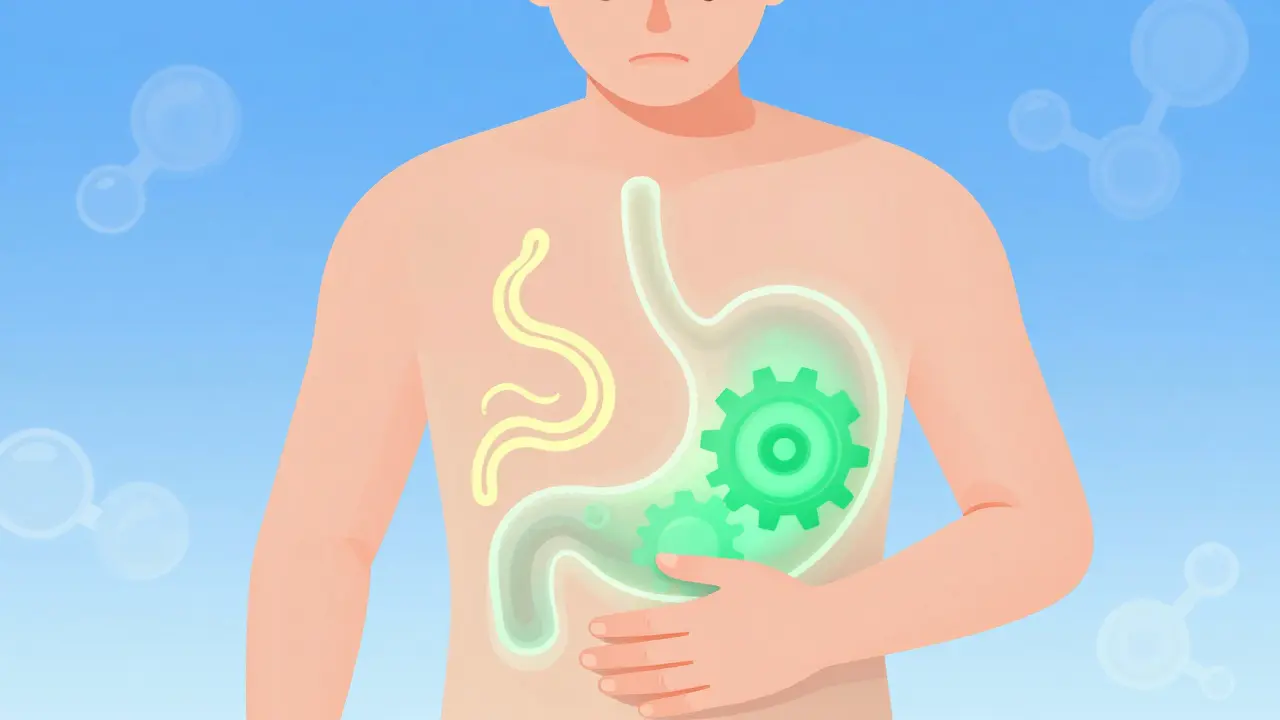
The most common complaint by far is nausea. Whether you're on Semaglutide (the active ingredient in Ozempic and Wegovy) or Tirzepatide (found in Mounjaro and Zepbound), your digestive system is essentially being told to slow down. When food stays in your stomach longer, it can lead to bloating, indigestion, and that "queasy" feeling.
It's helpful to know that this usually happens in waves. Many users report that nausea peaks during the first few weeks of a new dose and then settles down as the body acclimates. In fact, data from patient communities suggests that while nearly 70% of users experience nausea during dose escalation, the majority find it manageable after 2-4 weeks at a steady dose. If you're feeling rough now, it's often a sign that your body is simply adjusting to the chemical shift in your gut.
Understanding the Titration Schedule
You don't just jump to the maximum dose on day one. Doctors use a process called titration-a gradual increase in dosage-to keep your side effects from becoming overwhelming. Think of it as a training period for your stomach.
For those using Wegovy, the climb is steady: you start at 0.25 mg for a month, then move to 0.5 mg, 1 mg, 1.7 mg, and eventually 2.4 mg. This 17-week journey is designed to let your system adapt. Mounjaro follows a similar path, starting at 2.5 mg and increasing by 2.5 mg increments every four weeks up to a maximum of 15 mg.
| Medication | Starting Dose | Maintenance Max | Titration Speed |
|---|---|---|---|
| Wegovy (Semaglutide) | 0.25 mg / week | 2.4 mg / week | Slow (17 weeks) |
| Mounjaro (Tirzepatide) | 2.5 mg / week | 15 mg / week | Moderate (~20 weeks) |
| Victoza (Liraglutide) | 0.6 mg / day | 1.8 mg / day | Fast (Daily dose) |

Pro Tips to Stop the Nausea
While the dosing schedule helps, you can take active steps to kill the nausea before it takes over your day. The goal is to work with your slowed digestion, not against it.
- Change your timing: Try taking your injection at bedtime. Many people find that they can "sleep through" the peak of the nausea, waking up feeling much more stable.
- Eat smaller, frequent meals: Instead of three big meals, try five or six tiny ones. Your stomach can't handle large volumes of food right now, and overloading it is a fast track to nausea.
- Avoid "Trigger Foods": High-fat, fried, or greasy foods are the enemy. Because these take longer to digest, they sit in your stomach even longer, often causing severe reflux or nausea.
- Hydrate aggressively: Dehydration makes nausea worse. Stick to water and electrolyte drinks. If plain water tastes metallic or weird, try adding a squeeze of lemon.
- Use Ginger: It's an old remedy for a reason. Ginger tea, ginger chews, or real ginger root can help settle the stomach lining.
When to Be Concerned
Most nausea is "normal" for these drugs, but there's a line between a side effect and a medical problem. If you're unable to keep any fluids down for 24 hours, or if you're experiencing severe abdominal pain that radiates to your back, you need to call your doctor immediately. These can be signs of more serious issues like pancreatitis.
There is also a clinical debate about whether to push through the nausea or pause the dose. Some experts suggest that if nausea is mild, you should keep going with the titration. However, if the side effects are preventing you from eating enough protein or staying hydrated, it's often better to stay at your current dose for an extra four weeks until your body catches up.

Long-Term Outlook and Benefits
It's easy to get bogged down by the early weeks of nausea, but the long-term data is compelling. The 2023 SELECT trial showed that semaglutide doesn't just help with weight; it significantly reduces major cardiovascular events in non-diabetic patients with obesity. When you look at the results-like the average 20.9% weight loss seen in some Tirzepatide trials-the temporary discomfort of the first few months often feels like a fair price to pay for a total health reset.
Does the nausea ever actually go away?
For the vast majority of users, yes. Nausea is typically most intense during the dose-escalation phase. As your body acclimates to the medication and you adjust your eating habits (smaller portions, less grease), the symptoms usually diminish or disappear entirely at the maintenance dose.
Can I skip a dose if the nausea is too bad?
You should always consult your prescribing physician before skipping a dose. However, many doctors recommend staying at a lower dose for a longer period if the side effects are severe, rather than jumping to the next increase too quickly.
What is the difference between Ozempic, Wegovy, and Mounjaro in terms of side effects?
Ozempic and Wegovy both use semaglutide; Wegovy is approved for weight loss and has a higher maximum dose. Mounjaro (tirzepatide) is a dual-agonist (GLP-1 and GIP), which often leads to slightly higher weight loss percentages but can also lead to slightly higher rates of gastrointestinal side effects compared to older GLP-1s like liraglutide.
Why do these drugs cause nausea in the first place?
The medications slow down gastric emptying. This means food stays in your stomach longer, which signals your brain that you're full (satiety). The downside is that this slower movement can cause the stomach to feel overfull or "backed up," leading to nausea and bloating.
Are there any dangerous side effects I should watch for?
While nausea is common, watch for severe abdominal pain, persistent vomiting, or signs of a thyroid C-cell tumor (though this is rare and mainly seen in animal studies). Always report any unusual lumps in the neck or severe digestive distress to your doctor.
Next Steps for Your Journey
If you're just starting, focus on your hydration and meal prep. Start tracking your symptoms in a journal so you can tell your doctor exactly when the nausea peaks-is it two hours after the shot? Or only after a heavy meal? This data helps your provider decide if you need a slower titration or a different medication altogether.
For those already on a maintenance dose who are still struggling, it might be time to review your diet. Many people forget that as the dose increases, the "rules" for what your stomach can handle also change. Switching back to simpler, lean proteins and steamed vegetables can often resolve lingering nausea even months into treatment.