
 5
Feb,2026
5
Feb,2026
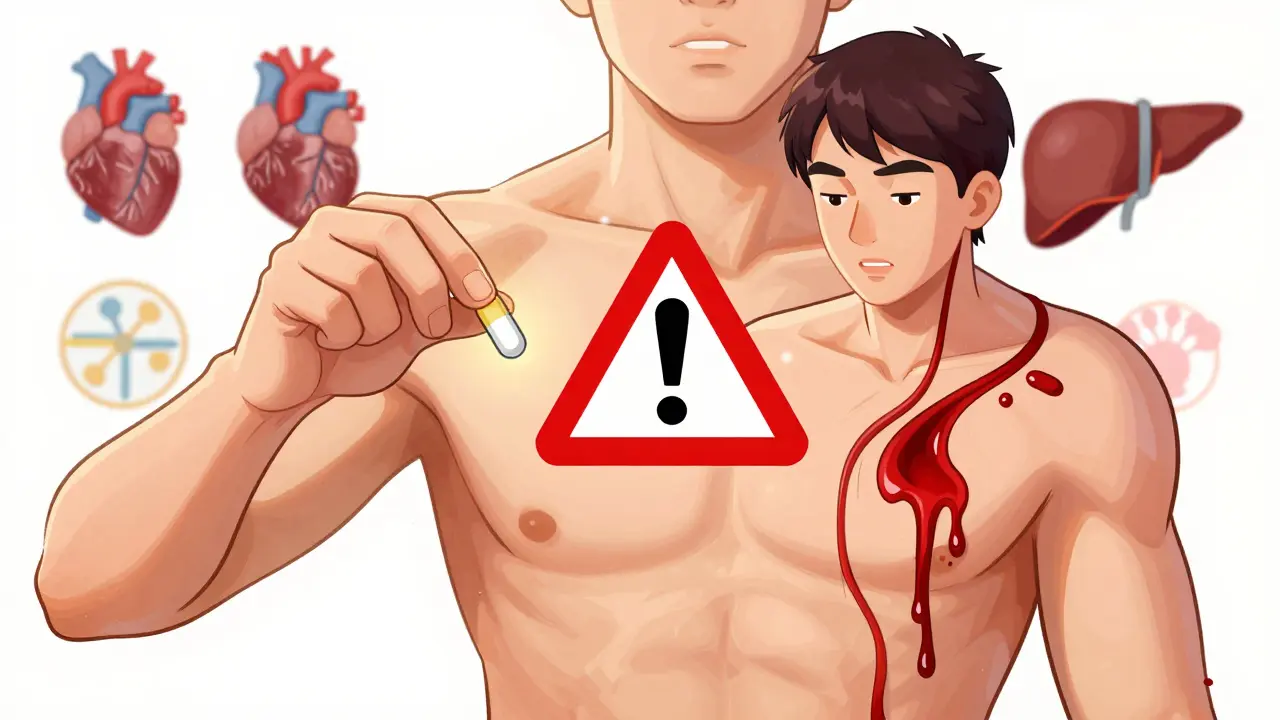
If you're taking blood thinners, you might not realize how dangerous some herbal supplements can be. A single supplement could lead to life-threatening bleeding or clotting. Every year, thousands of people end up in emergency rooms because of these unexpected interactions. The FDA's Adverse Event Reporting System (FAERS) documented over 14,000 cases between 2020 and 2024, with warfarina common blood thinner medication used to prevent blood clots being involved in most incidents. This isn't just a theoretical risk-it's a real, preventable danger.
What Are Anticoagulants?
Anticoagulants, also called blood thinners, are medications that prevent dangerous blood clots. They're commonly prescribed for people with heart conditions, atrial fibrillation, or after surgeries like knee replacements. The most widely used anticoagulant is warfarina common blood thinner medication used to prevent blood clots, though newer options like apixabana newer blood thinner medication that's less affected by some interactions are becoming popular. These drugs work by slowing down your blood's ability to clot, but they need careful monitoring because too much can cause bleeding.
How Herbal Supplements Interact with Blood Thinners
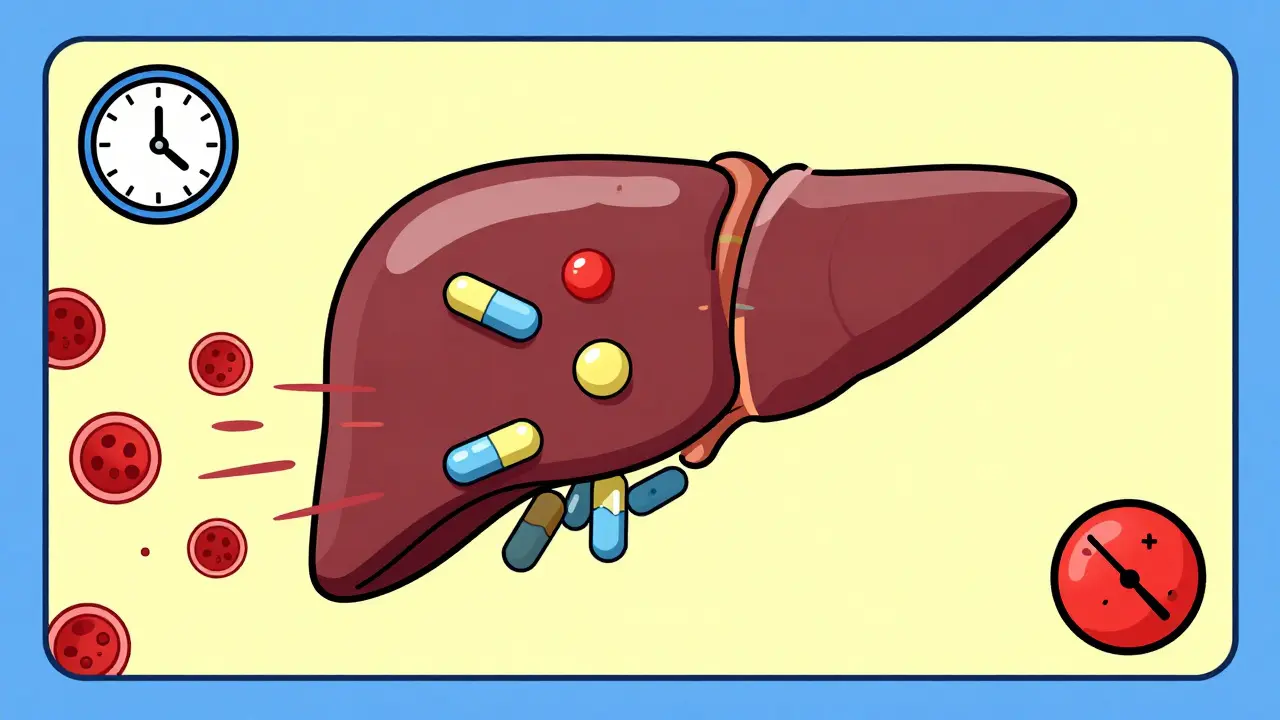
These interactions happen in two main ways. Pharmacokinetic interactions change how your body processes the blood thinner. For example, some herbs affect liver enzymes that break down medications. St. John's Wort speeds up warfarin metabolism, reducing its effectiveness by up to 50% within 72 hours. On the flip side, herbs like Ginkgo bilobaa herbal supplement known for its effects on blood circulation can inhibit these enzymes, causing warfarin to build up to dangerous levels.
Pharmacodynamic interactions occur when herbs directly affect blood clotting. Garlic and ginger both reduce platelet function, making it harder for blood to clot. When taken with warfarin, this effect multiplies. A 2022 study found that combining garlic with warfarin increased bleeding risk by 3.2 times compared to warfarin alone.
Top 10 Dangerous Herbal Supplements for Blood Thinner Users
The FDA's 2024 analysis of over 14,000 adverse event reports identified the most dangerous herbal supplements. Here's what you need to know:
| Herb | Severity Level | How It Works | Real-World Impact |
|---|---|---|---|
| Ginkgo biloba | 7 (Life-threatening) | Platelet inhibition and enzyme interference | INR increase up to 50%, hospitalization risk |
| Garlic | 7 | Reduces platelet function | 214 documented bleeding cases in 2024 |
| Ginger | 6 | Affects platelet activity | INR spike to 6.2 in a single case report |
| St. John's Wort | 6 | Speeds up drug metabolism | 50% reduction in apixaban effectiveness |
| Danshen | 7 | Strong anticoagulant properties | 300-400% INR increase within 72 hours |
| Chamomile | 5 | Platelet inhibition | Increased bleeding risk in surgical patients |
| Cranberry | 5 | Enzyme interference | INR fluctuations in 12% of warfarin users |
| Green tea | 4 | Vitamin K content | Unpredictable INR changes due to inconsistent dosing |
| Chinese wolfberry | 5 | Platelet function effects | Multiple cases of uncontrolled bleeding |
| Dong quai | 6 | Anticoagulant properties | INR elevation requiring hospitalization |
These herbs account for 68% of all severe interaction events. Even "natural" doesn't mean safe-these supplements can have powerful effects on your body.
Real-World Consequences of These Interactions
It's not just numbers on a chart. Take u/WarfarinWarrior's Reddit post from January 2025: they added turmeric to their regimen and saw their INR spike to 4.2, requiring emergency hospitalization. This isn't rare. The American Pharmacists Association documented 1,842 major bleeding events linked to herbal-anticoagulant interactions in 2023 alone. Ginkgo biloba (287 cases), garlic (214), and ginseng (198) were the top three culprits.
A 2024 Medscape survey of 1,247 patients found that 69.3% used herbal supplements without telling their doctors. Many believed "natural means safe"-a dangerous misconception. In reality, supplements like turmeric or CBD oil can have serious effects. A 2024 JAMA Internal Medicine trial showed CBD oil increased INR by 2.8 times in 68% of warfarin users.
Why Patients Don't Tell Doctors About Herbal Supplements
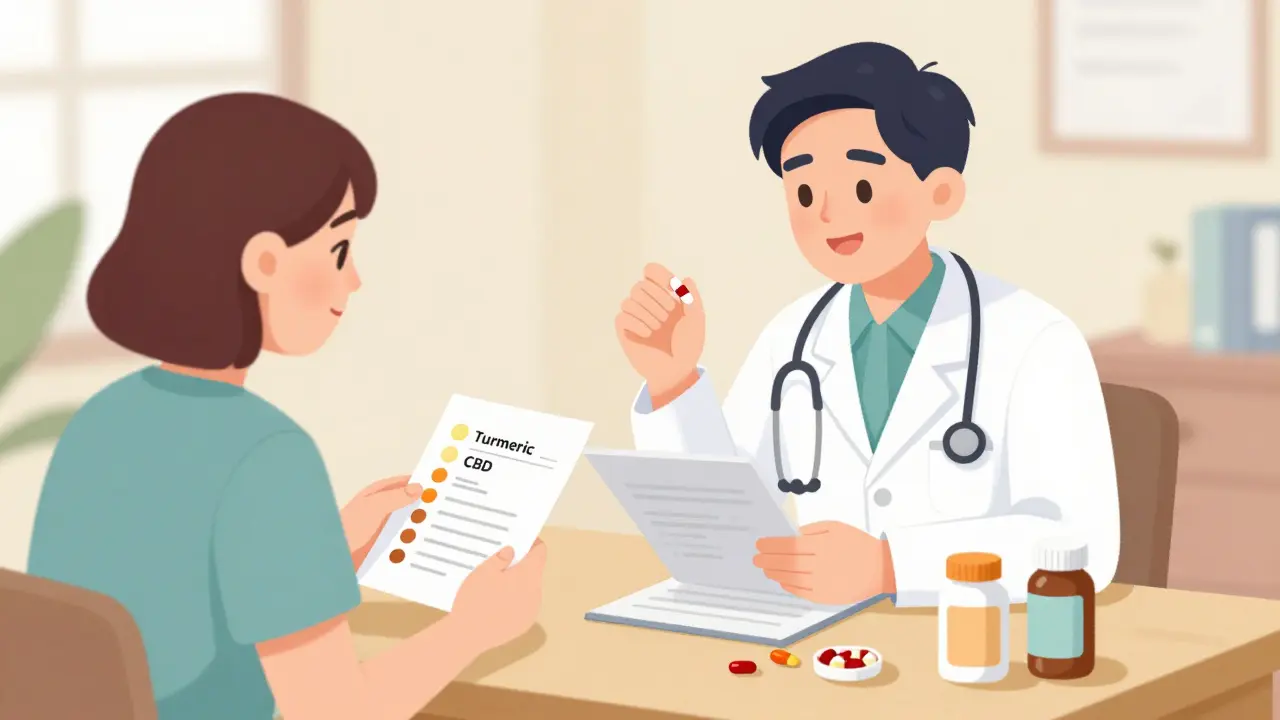
It's not just patients' fault. A 2022 study in Innovations in Clinical Research Management found that 63% of physicians didn't specifically ask about herbal supplements during visits. Only 27% documented supplement use in medical records. This lack of communication creates dangerous gaps in care.
Patients often don't realize supplements count as "medications." They might say, "I just take a little turmeric for my joints," not knowing it could interact with their blood thinner. Others feel embarrassed or think doctors won't care about "natural" products. But as Dr. Edzard Ernst, Professor of Complementary Medicine at the University of Exeter, states: "herbal anticoagulant interactions represent one of the most under-recognized causes of preventable iatrogenic harm in modern medicine."
How Healthcare Providers Can Prevent These Interactions
Simple steps make a big difference. The University of California San Francisco Medical Center implemented a 5-step screening tool that reduced undocumented supplement use from 73% to 28% in 18 months. It takes just 7.2 minutes per patient visit.
The American Society of Health-System Pharmacists recommends using the Natural Medicines Database, which rates interaction severity on a 1-7 scale. Level 7 means "life-threatening interactions requiring immediate discontinuation." For warfarin users, INR should be monitored closely when starting new supplements. Newer anticoagulants like apixaban still interact with St. John's Wort-reducing effectiveness by 50%-so vigilance is key.
Even vitamin K-rich foods like spinach (400-500 mcg per serving) cause less INR fluctuation than inconsistent herbal supplement use. This was confirmed in a 2023 JAMA Network Open study of 1,284 patients.
What You Can Do to Stay Safe
If you're on blood thinners, follow these steps:
- Always tell your doctor about every supplement, vitamin, or herbal product you take-even if it's "just a little."
- Ask your pharmacist to check for interactions before starting new supplements.
- Never stop or change your blood thinner dose without medical advice.
- Use a pill organizer to track doses and avoid accidental double-dosing.
- Get regular INR checks as scheduled-don't skip them.
Remember: "natural" doesn't mean safe. What matters is working with your healthcare team to manage risks. As the American Heart Association states: "all patients prescribed anticoagulants must undergo structured screening for herbal supplement use at each clinical encounter."
Frequently Asked Questions
Can I take turmeric with my blood thinner?
Turmeric (curcumin) can increase bleeding risk when combined with blood thinners. A 2023 study showed it raised INR levels in some patients. Always consult your doctor before adding turmeric to your routine. In one case, a patient's INR spiked to 4.2 after adding turmeric, requiring hospitalization.
Is it safe to use CBD oil while on anticoagulants?
CBD oil can interfere with blood thinners by affecting liver enzymes. A 2024 JAMA Internal Medicine randomized trial found it increased INR by 2.8-fold in 68% of warfarin users. Avoid CBD unless approved by your healthcare provider. The FDA is currently reviewing CBD-anticoagulant interactions.
How do I know if a supplement is safe to take with my medication?
Check the Natural Medicines Database for interaction severity ratings. Level 1-3 means minor interaction, Level 4-6 moderate, and Level 7 life-threatening. Always ask your pharmacist or doctor to review supplements before starting them. Never assume "natural" means safe-many herbs have potent effects on blood clotting.
What should I do if I accidentally took a dangerous supplement?
Contact your healthcare provider immediately. If you experience symptoms like unusual bruising, bleeding gums, or blood in urine/stool, go to the emergency room. Do not stop your blood thinner without medical advice-this could cause dangerous clots. Keep a list of all supplements you take to help your doctor assess the situation.
Are newer blood thinners safer with herbal supplements?
Newer anticoagulants like apixaban and rivaroxaban have fewer interactions than warfarin, but they're not risk-free. St. John's Wort reduces apixaban levels by 50% within 72 hours, making it less effective. Ginkgo biloba still increases bleeding risk with these drugs. Always discuss supplements with your doctor regardless of which blood thinner you take.


The FDA's data is completely fabricated. They're hiding the truth about how dangerous warfarin really is. I've worked in the pharmaceutical industry, and let me tell you, they're all in cahoots.
Supplements like ginkgo biloba are actually safe. It's the drugs that are killing people.
The real danger is Big Pharma's greed. They don't care about patients, only profits.
You should question everything you read. This article is just propaganda. Trust me, I know.
Hey, I understand your concerns, but it's important to rely on evidence-based info. Many studies show that certain herbs do interact with blood thinners. It's better to check with a healthcare professional before taking anything. Don't risk your health.
Ginkgo biloba dangerous avoid it
While some herbs can interact, it's not all black and white. Each case is different. Always consult a professional for personalized advice. We need to be informed but not fearful.
Ginger and garlic increase bleeding risk with warfarin. Always check with your pharmacist.
Natural supplements can be safe if you know what ur doing. But always talk to doc. I think everyone should be informed. No need to be scared, just careful.
US citizens should only use American-made meds. Foreign herbs are dangerous. This article is misleading. Trust the US system.
It's crucial to discuss all supplements with your doctor. I've seen how interactions can be avoided with proper communication. Let's work together to stay safe.
Check with your doctor before taking supplements.
Most people are clueless. They think 'natural' means safe. Idiots. Ginkgo biloba is a disaster waiting to happen. You should be ashamed.
Ginkgo bad. Garlic bad. Avoid all herbs. Too lazy to check.