
Prozac: What It Is, How It Works, and What You Need to Know About SSRIs
When people talk about Prozac, a selective serotonin reuptake inhibitor (SSRI) used to treat depression, anxiety, and OCD. Also known as fluoxetine, it was one of the first antidepressants to become widely used because it didn’t cause the same side effects as older drugs. Prozac works by increasing serotonin levels in the brain—serotonin being the chemical that helps regulate mood, sleep, and appetite. But it’s not magic. It takes weeks to work, and for some people, it doesn’t work at all.
Prozac is part of a larger group called SSRIs, a class of antidepressants that block serotonin reabsorption to keep more of it active in the brain. Other SSRIs include Zoloft, Paxil, and Lexapro. What sets Prozac apart? It lasts longer in your system than most, which means fewer daily doses—but also slower withdrawal if you stop. That’s why doctors sometimes use it to help people taper off other antidepressants. But it’s not safe for everyone. Mixing Prozac with alcohol can make depression worse. Taking it with certain pain meds or migraine drugs can trigger a dangerous condition called serotonin syndrome.
Prozac isn’t just for depression. It’s also approved for OCD, panic disorder, and bulimia. Some doctors prescribe it off-label for PMDD or even chronic pain. But the real story isn’t just about what it treats—it’s about what it doesn’t fix. Many people feel better after a few months, but others struggle with weight gain, insomnia, or emotional numbness. And if you’re under 25, there’s a small but real risk of increased suicidal thoughts early in treatment. That’s why your doctor should check in often during the first few weeks.
There’s a lot of noise out there about antidepressants. Some say they’re overprescribed. Others say they’re lifesavers. The truth? They’re tools—not solutions. Prozac helps balance brain chemistry, but it doesn’t fix trauma, loneliness, or financial stress. That’s why therapy, exercise, and sleep matter just as much as the pill.
What you’ll find below are real, practical posts about how Prozac fits into the bigger picture of mental health and medication safety. You’ll learn how it compares to other antidepressants like Wellbutrin, what happens when you mix it with alcohol, how pharmacists catch dangerous interactions, and why FDA safety alerts matter if you’re on long-term treatment. No fluff. No hype. Just what you need to know to use it wisely—or decide if it’s right for you.
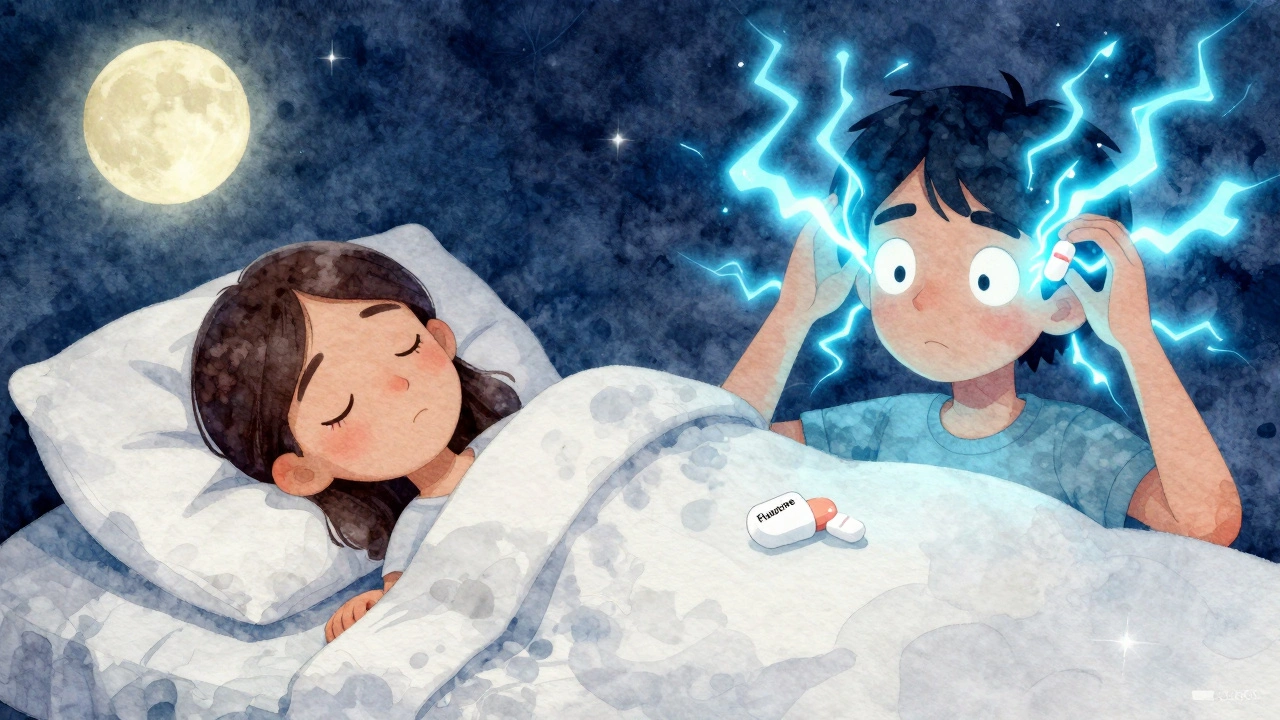
Fluoxetine Activation: How to Manage Anxiety, Insomnia, and Timing for Better Results
Fluoxetine (Prozac) can cause anxiety and insomnia because it's one of the most activating SSRIs. Learn how timing, dosing, and individual factors affect side effects - and what to do if it keeps you up at night.
View more