
 4
Dec,2025
4
Dec,2025
BY : Robot San
9 Comments
Fluoxetine Suitability Checker
How Fluoxetine May Work For You
Fluoxetine isn't right for everyone. This tool helps you understand if it might match your symptoms based on medical guidelines and your individual profile.
Your Results
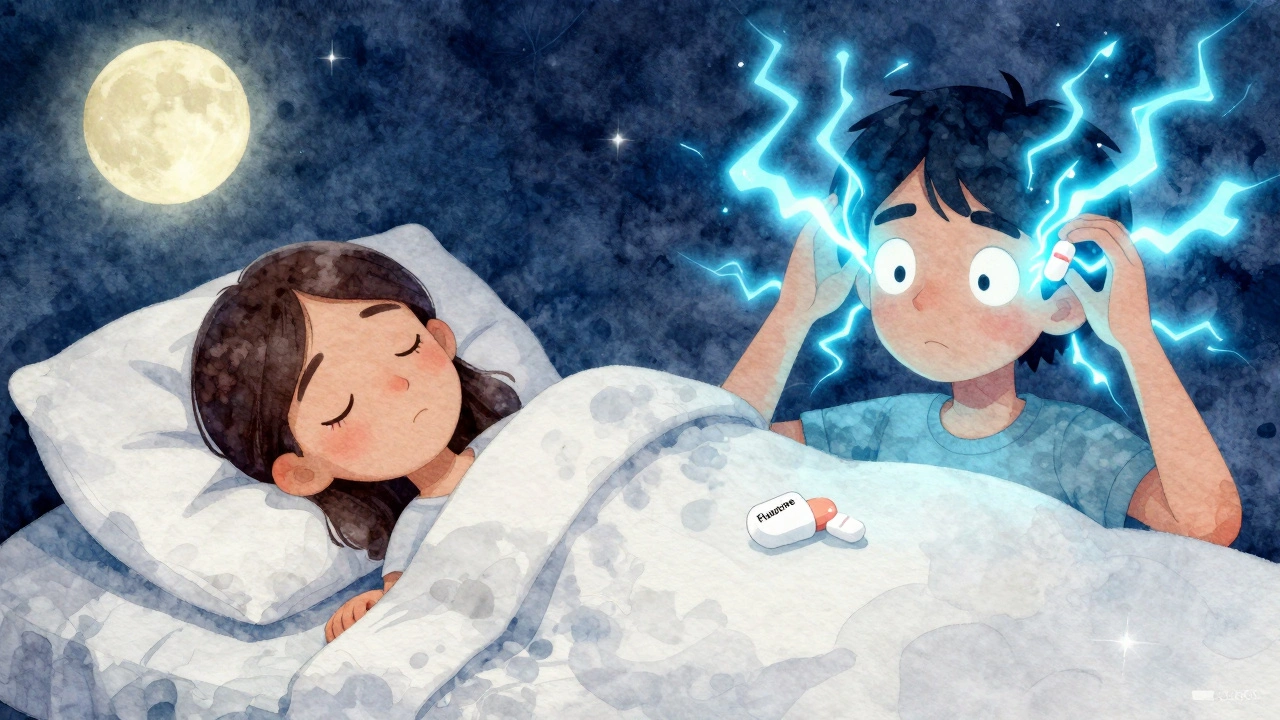
When you start fluoxetine - the generic version of Prozac - you might expect relief from depression. But instead, you could feel wired, anxious, or wide awake at night. This isn’t a mistake. It’s a known effect. Fluoxetine is one of the most activating antidepressants available. For some people, that’s exactly what they need. For others, it’s a nightmare. The key isn’t avoiding fluoxetine - it’s understanding how to use it right.
Why Fluoxetine Makes You Feel Activated
Fluoxetine works by blocking the serotonin transporter, which means more serotonin stays in your brain. That’s good for mood. But serotonin isn’t just about feeling happy. It’s also involved in alertness, energy, and sleep cycles. Unlike other SSRIs like sertraline or escitalopram, fluoxetine strongly stimulates certain brain pathways. It even blocks 5HT2C receptors, a mechanism linked to increased energy and reduced sleepiness. This isn’t just theory. Studies show fluoxetine causes significantly more insomnia, agitation, and anxiety than other antidepressants. In one review, patients on fluoxetine reported these side effects twice as often as those on sedating options like mirtazapine or trazodone. That’s why doctors often avoid fluoxetine for people who already struggle with sleep or panic attacks. But here’s the twist: fluoxetine’s activation isn’t always bad. If your depression comes with heavy fatigue, oversleeping, or low motivation - what’s called “atypical depression” or “retarded depression” - fluoxetine can feel like a lifeline. It gives you the push you’ve been missing. The problem isn’t the drug. It’s matching it to the right person.The Sleep Problem: Why You Can’t Turn Off Your Brain
Insomnia is the most common side effect of fluoxetine. In surveys of over 1,200 users, nearly 39% reported trouble sleeping. That’s higher than any other SSRI. The reason? Fluoxetine’s long half-life. It stays in your system for days. Even if you take it in the morning, norfluoxetine - its active metabolite - keeps building up. By day 10, you’re not just dealing with one dose. You’re dealing with nearly a week’s worth of accumulated stimulation. Many people think, “I’ll just take it at night to avoid daytime drowsiness.” That’s a dangerous assumption. Taking fluoxetine in the evening can turn your sleep into a battle. Racing thoughts, heart palpitations, and muscle tension are common. One Reddit user wrote: “Took my 20mg at 9 p.m. Didn’t sleep. Felt like my brain was on fire.” But it’s not universal. Some users report better sleep after a few weeks. Why? Because the brain adapts. After 4-6 weeks, serotonin receptors start to downregulate. The initial surge of stimulation fades. A 2023 study found that 62% of people who had insomnia at the start of treatment saw improvement by week 8. So if you’re struggling early on, don’t give up - but don’t ignore it either.When to Take Fluoxetine: The Only Timing Rule That Matters
There’s one clear, evidence-backed rule: take fluoxetine in the morning. Always. That’s not a suggestion. It’s a clinical standard. The FDA, NIH, and leading psychiatric guidelines all agree. Taking it in the morning gives your body the full day to process the stimulation. By bedtime, the peak effects have worn off enough to allow sleep - at least for most people. Don’t rely on food to delay absorption. While eating can slow down how fast fluoxetine enters your bloodstream, it doesn’t reduce the total effect. And since fluoxetine’s half-life is so long, timing your dose around meals won’t fix the core issue. The only thing that matters is the time of day. If you’re on the weekly 90mg capsule, you still take it in the morning. The extended release doesn’t change the activation profile - it just means you get a slow, steady drip of the drug over seven days. Same rules apply.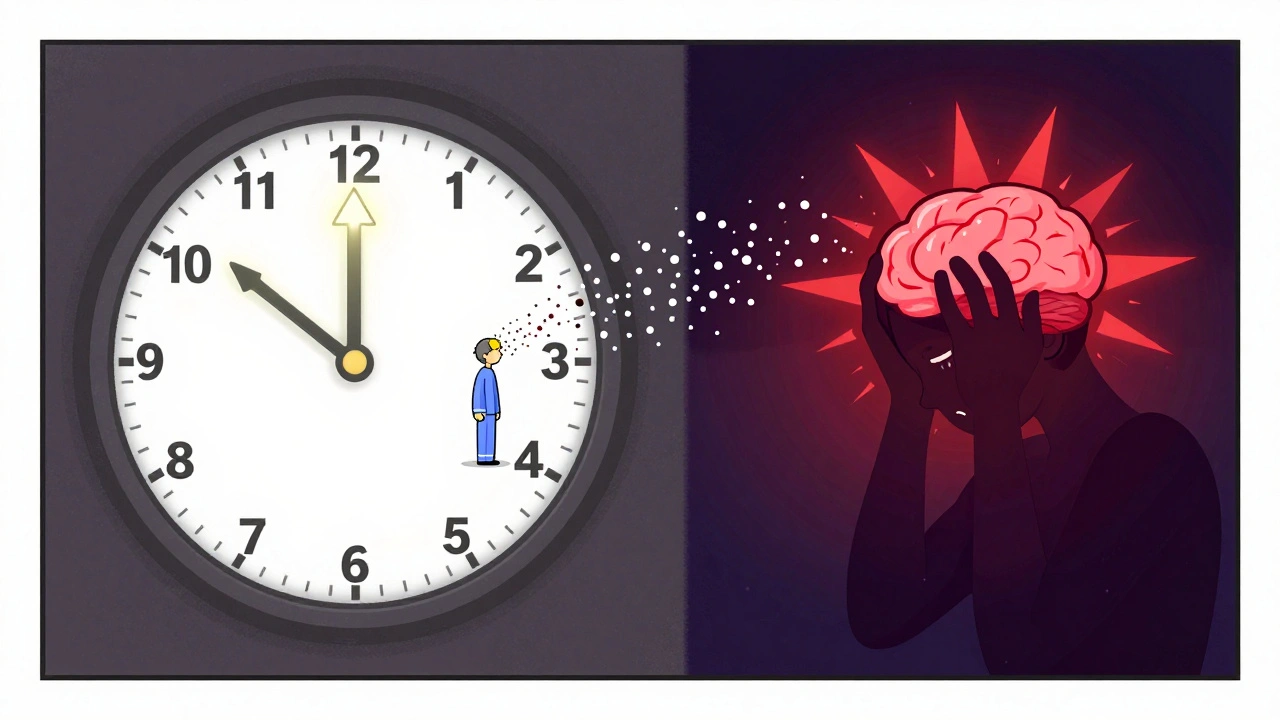
What to Do If Morning Dosing Still Causes Insomnia
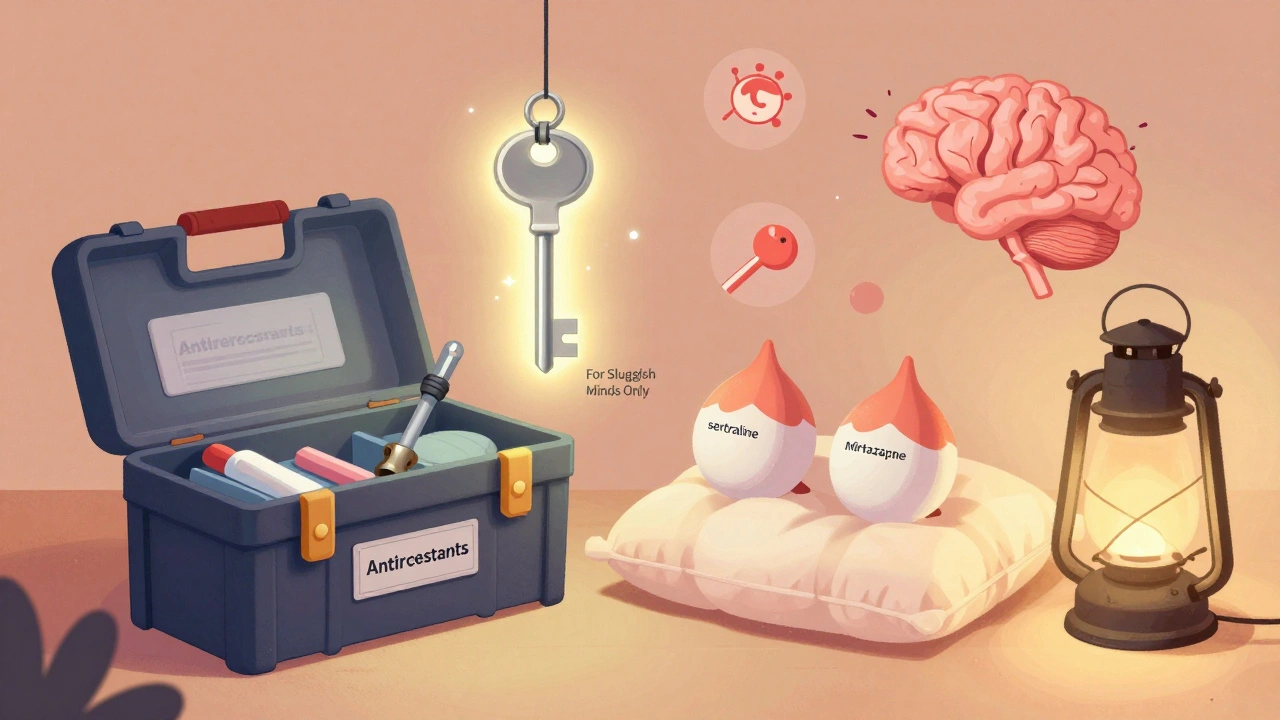
If you’re taking fluoxetine at 8 a.m. and still can’t sleep after two weeks, you have options - but don’t try to fix it alone. First, talk to your doctor about lowering the dose. Starting at 10mg instead of 20mg can make a huge difference, especially for older adults or people sensitive to stimulants. Many patients do just as well on 10mg as they do on 20mg - with far fewer side effects. Second, consider adding a sleep aid. This isn’t about dependency. Short-term use of low-dose trazodone (25-50mg) or mirtazapine (7.5mg) at night can help reset your sleep without interfering with fluoxetine’s mood benefits. These drugs are sedating, so they balance out fluoxetine’s stimulation. Third, optimize your sleep hygiene. No supplement or pill will fix sleep if you’re scrolling on your phone at 1 a.m. or drinking coffee after 2 p.m. Stick to a fixed bedtime. Keep your room cool and dark. Avoid screens for 90 minutes before bed. These habits matter more than you think. And if nothing works? Switching to another antidepressant is a valid choice. Sertraline is often preferred as a first-line option because it’s less activating. Citalopram and escitalopram are also gentler on sleep. There’s no shame in changing course.Who Should Avoid Fluoxetine Altogether
Fluoxetine isn’t for everyone. Avoid it if you have:- Severe insomnia that’s already been diagnosed
- History of panic attacks or severe anxiety
- Restless legs syndrome or sleep apnea
- Been diagnosed with bipolar disorder without a mood stabilizer
Special Cases: Teens, Older Adults, and Long-Term Use
For teens and young adults, fluoxetine is one of the few antidepressants with strong evidence for effectiveness. The FDA has approved it for use in children as young as 8. But because of its activating nature, doctors usually start at 10mg and move slowly. Parents often report their kids become more talkative and energetic - which can be a good sign - but also more irritable or restless. Monitoring is critical. For older adults, fluoxetine is effective but risky. Its long half-life means it builds up in the body. That increases the chance of falls, confusion, or heart rhythm issues. Start at 10mg. Don’t go higher unless absolutely necessary. Many geriatric psychiatrists avoid fluoxetine entirely in patients over 70. Long-term users often find their sleep improves. But if you’ve been on fluoxetine for over a year and still can’t sleep, it’s not just “in your head.” The brain may have adapted, but your nervous system might still be overstimulated. Talk to your doctor about tapering or switching - especially if you’re taking other medications. Fluoxetine blocks the CYP2D6 enzyme, which can raise levels of beta-blockers, antipsychotics, and even some pain meds. That can make anxiety and insomnia worse.Real Stories: What Patients Actually Experience
User u/AnxietyRider on Reddit: “Day one of 20mg. I thought I’d feel better. Instead, I was shaking, heart pounding, couldn’t sit still. Took it at night by accident. Woke up at 3 a.m. thinking the house was on fire. My doctor said, ‘Morning only. No exceptions.’ I did. By week three, I slept. Now I’m stable.” User u/SleepyDepressed: “For six months, I slept like a rock. Then I started Prozac. Couldn’t sleep for two weeks. Thought I’d quit. But then, out of nowhere, my sleep came back - better than before. Now I sleep 8 hours. My depression lifted. I didn’t know it could get this good.” These aren’t outliers. They’re the two sides of fluoxetine. One person’s trigger is another person’s turning point.Final Takeaway: Fluoxetine Is a Tool - Not a Cure
Fluoxetine isn’t good or bad. It’s precise. It’s powerful. It’s not for everyone - but for the right person, it changes everything. If you have low energy, oversleeping, or sluggish depression, fluoxetine might be the key. But if you’re already anxious, wired, or struggling to sleep, it could make things worse. The solution isn’t guesswork. It’s strategy. Take it in the morning. Start low. Monitor closely. Give it time - but not too much. And if it’s not working, switch. There are other options. Fluoxetine is just one tool in a big box. Use it wisely.
Write a comment
LATEST POST


Illegible Handwriting on Prescriptions: How Patient Safety Is Being Fixed
26 Feb 2026 | 11:33 AM
RSV Infections: Risks for Infants, Older Adults, and How to Prevent Them
15 Dec 2025 | 01:29 AM
Compare Bupron SR (Bupropion) with Alternatives for Depression and Smoking Cessation
18 Nov 2025 | 15:34 PM
Aripiprazole and Suicidal Thoughts: Understanding the Risk
26 Jun 2023 | 07:35 AM
Buy Cheap Generic Lexapro Online - Safe Australian Options
3 Oct 2025 | 23:26 PM
OMG I took fluoxetine at night once and my brain felt like it was being rewired by a caffeinated squirrel 🐿️💥 I thought I was having a stroke. Never again. Morning only. Learned the hard way.
Let’s be real-fluoxetine isn’t an antidepressant, it’s a neurological wake-up call disguised as a pill. The serotonin transporter blockade? That’s just the tip of the iceberg. The real magic-or horror-is in the 5HT2C antagonism, which, if you’ve read the primary literature, is a direct modulator of noradrenergic and dopaminergic tone in the prefrontal cortex. This isn’t just ‘feeling wired’-it’s a pharmacologically induced shift in baseline arousal state. Most clinicians don’t grasp this. They see insomnia and call it a side effect. I call it a mechanism. And if you’re not monitoring your HRV and cortisol rhythms during titration, you’re flying blind.
They say take it in the morning but what if you work nights? What if your body clock is broken from 3 years of trauma and 4 different meds? What if the ‘clinical standard’ was written by someone who’s never been up for 72 hours crying because their thoughts won’t shut up? I’m not mad. I’m just saying. They don’t tell you about the tremors.
I was terrified to start this. I had panic attacks just thinking about meds. But I started at 10mg, took it at 7am like they said, and gave it 3 weeks. Day 18? I slept 7 hours straight for the first time in years. I cried. Not because I was sad-because I finally felt like I could breathe again. You’re not broken. You just haven’t found the right key yet.
There’s a profound irony here: we treat depression as if it’s a chemical imbalance needing correction, yet we ignore the ecological context-the sleep deprivation, the social isolation, the chronic stress-that created the imbalance in the first place. Fluoxetine may quiet the noise, but it doesn’t restore the silence. The real work-nourishing the nervous system, rebuilding rhythm, reconnecting with meaning-isn’t in the pill. It’s in the practice. And it takes longer than eight weeks.
People who blame fluoxetine for their insomnia are just avoiding responsibility. If you can’t control your circadian rhythm, that’s not a pharmacological issue-that’s a character flaw. I’ve been on 40mg for 12 years. I take it at 8am, no coffee after noon, no screens after 9, and I sleep like a baby. Your laziness is not my concern. Stop making excuses.
When I first started fluoxetine, I felt like my nerves were made of live wires and my brain was a rave in a subway tunnel. But then-this is wild-I started noticing things. The way sunlight hit the kitchen floor at 7am. The sound my cat makes when she stretches. The quiet hum of the fridge. I didn’t realize how numb I’d been. The activation? It wasn’t just anxiety. It was my soul finally turning on the lights. I didn’t sleep for two weeks. But I felt alive for the first time since college.
Neuroplasticity is a double-edged sword. The initial hyperarousal isn’t pathology-it’s a transient state of synaptic reorganization. The downregulation of 5HT2A and 5HT2C receptors over time isn’t tolerance-it’s adaptation. The brain isn’t resisting fluoxetine; it’s recalibrating. What we label as ‘side effects’ are often the fingerprints of neural rewiring. Patience isn’t passive. It’s neurobiological stewardship.
you’re not alone 💛 i started at 10mg, cried every night for 10 days, but kept showing up. now i’m 6 months in and my sleep is better than it’s ever been. trust the process. you’ve got this.