
Pharmaceutical Development: How New Drugs Are Made and Why It Matters
When you pick up a pill at the pharmacy, you’re holding the result of pharmaceutical development, the multi-year process of discovering, testing, and bringing a new medication to market. Also known as drug development, it’s not just science—it’s a complex system of regulations, money, and timing that decides what treatments you can access and how much they cost.
This process doesn’t happen in a vacuum. It’s shaped by patent exclusivity, the legal monopoly granted by patent offices that lets companies recoup research costs, and market exclusivity, a separate protection from the FDA that blocks generics even after patents expire. These two aren’t the same, but together they keep brand-name drugs expensive for years. That’s why a drug like bupropion might still cost more than its generic version, even when the patent’s long gone. And it’s why some medications—like trimetazidine or raltegravir—stay on the market despite newer options, because the system rewards staying power over innovation.
Behind every drug is also a story of who it works for. pharmacogenomics, the study of how your genes affect how you respond to medicine, is changing how we use drugs like statins or antidepressants. Some people get terrible muscle pain from simvastatin—not because they’re weak, but because of a gene variant called SLCO1B1. Others respond better to buspirone than SSRIs for anxiety. These aren’t random differences. They’re clues built into your DNA that pharmaceutical development is only starting to use effectively.
And it’s not just about making drugs work—it’s about making them safe. Every time you hear about an FDA safety communication or a warning about drug interactions, that’s the result of post-market monitoring, a critical but often overlooked part of pharmaceutical development. A drug might pass clinical trials, but real-world use reveals risks: like how propranolol messes with sleep, or how carbimazole’s cancer link gets debated in studies. That’s why checking for interactions or reading FDA alerts isn’t paranoia—it’s part of staying informed in a system designed for profit as much as for health.
What you’ll find below isn’t just a list of articles. It’s a look at the real-world consequences of pharmaceutical development: how patents delay generics, how genetics change dosing, how safety alerts get ignored, and why some drugs work better for certain people than others. These posts don’t just explain medications—they explain why the system works the way it does, and how you can navigate it smarter.
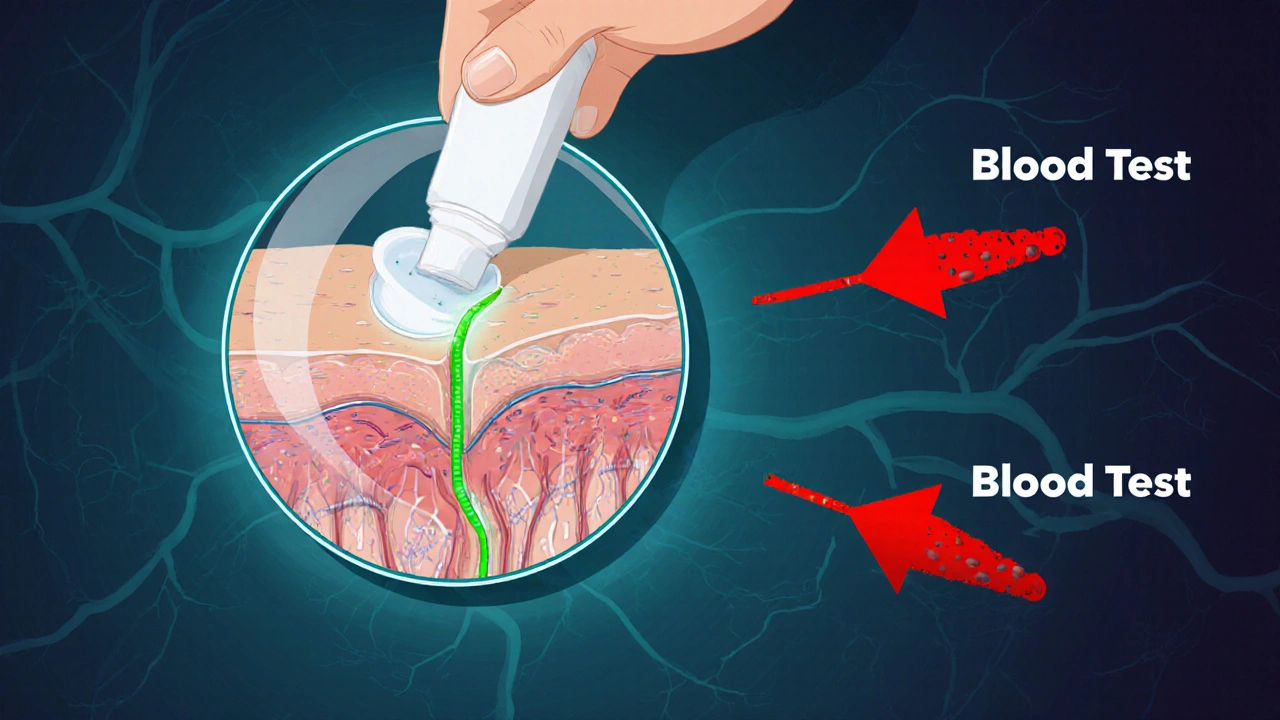
Complex Generic Formulations: Why Proving Bioequivalence Is So Hard
Complex generic formulations like inhalers, creams, and injections are hard to copy because they act locally, not in the bloodstream. Proving they work the same as brand drugs requires advanced science - and many fail.
View more