
OTC Allergy Meds: What Works, What to Avoid, and How to Choose Safely
When your nose won’t stop running or your eyes feel like they’re full of sand, OTC allergy meds, over-the-counter medications designed to relieve allergy symptoms like sneezing, itching, and congestion. Also known as non-prescription allergy treatments, these are the first line of defense for millions of people during pollen season or when exposed to dust and pet dander. You don’t need a prescription to grab them off the shelf—but that doesn’t mean they’re all safe or equal. Some make you sleepy. Others raise your blood pressure. A few don’t even work for the symptoms you have.
Most antihistamines, drugs that block histamine, the chemical your body releases during an allergic reaction. Also known as allergy pills, they’re the backbone of OTC allergy relief. First-generation ones like diphenhydramine (Benadryl) work fast but knock you out. Second-gen ones like loratadine (Claritin) and cetirizine (Zyrtec) last longer and barely touch your alertness. Then there’s decongestants, medications that shrink swollen nasal tissues to help you breathe. Also known as nasal decongestants, they come in pills like pseudoephedrine (Sudafed) or sprays like oxymetazoline (Afrin). But here’s the catch: nasal sprays can cause rebound congestion if you use them more than three days in a row. And pseudoephedrine? It’s kept behind the pharmacy counter because it can be used to make illegal drugs. You still need to show ID and sign for it.
Not all allergy symptoms are the same. If you’re mostly sneezing and itchy, an antihistamine is your best bet. If your nose is stuffed up, you might need a decongestant—but only for a few days. And if you’ve got chronic congestion or post-nasal drip, nasal sprays, topical treatments applied directly to the nasal passages to reduce inflammation. Also known as steroid nasal sprays, they include fluticasone (Flonase) and triamcinolone (Nasacort). These aren’t antihistamines. They’re corticosteroids. They take days to work but are the most effective long-term solution for persistent allergies. And yes, they’re available without a prescription now.
People often mix these up. They take a decongestant when they need an antihistamine. Or they use a nasal spray every day for weeks, wondering why their nose gets worse. Some even take two antihistamines at once, thinking more is better. It’s not. You can overdose on diphenhydramine. You can spike your heart rate with pseudoephedrine. And you can ruin your nasal lining with overused sprays.
What you need isn’t just more options—it’s smarter choices. The right OTC allergy med depends on your symptoms, your health, and what else you’re taking. If you have high blood pressure, avoid decongestants. If you’re over 65, watch out for sedating antihistamines. If you’re pregnant, ask before you reach for anything. And if you’ve tried everything and still feel awful, it might not be allergies at all.
In the posts below, you’ll find real-world breakdowns of what’s in your medicine cabinet, how to use it without side effects, and which ones actually deliver on their promises. No fluff. No marketing. Just what works, what doesn’t, and why.
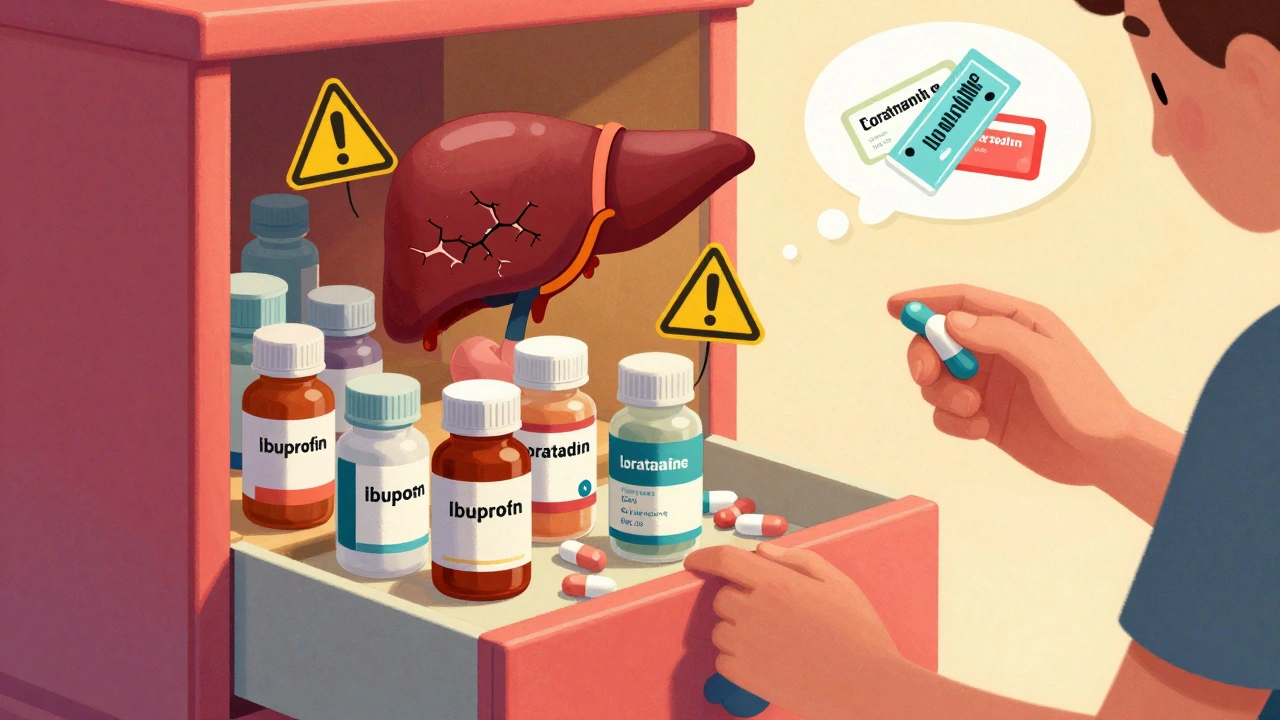
Over-the-Counter Medications: NSAIDs, Acetaminophen, and Antihistamines Explained for Safe Use
Learn how to safely use common OTC medications like NSAIDs, acetaminophen, and antihistamines. Avoid overdose, liver damage, and dangerous interactions with clear dosing rules and real-world advice.
View more