
 2
Dec,2025
2
Dec,2025
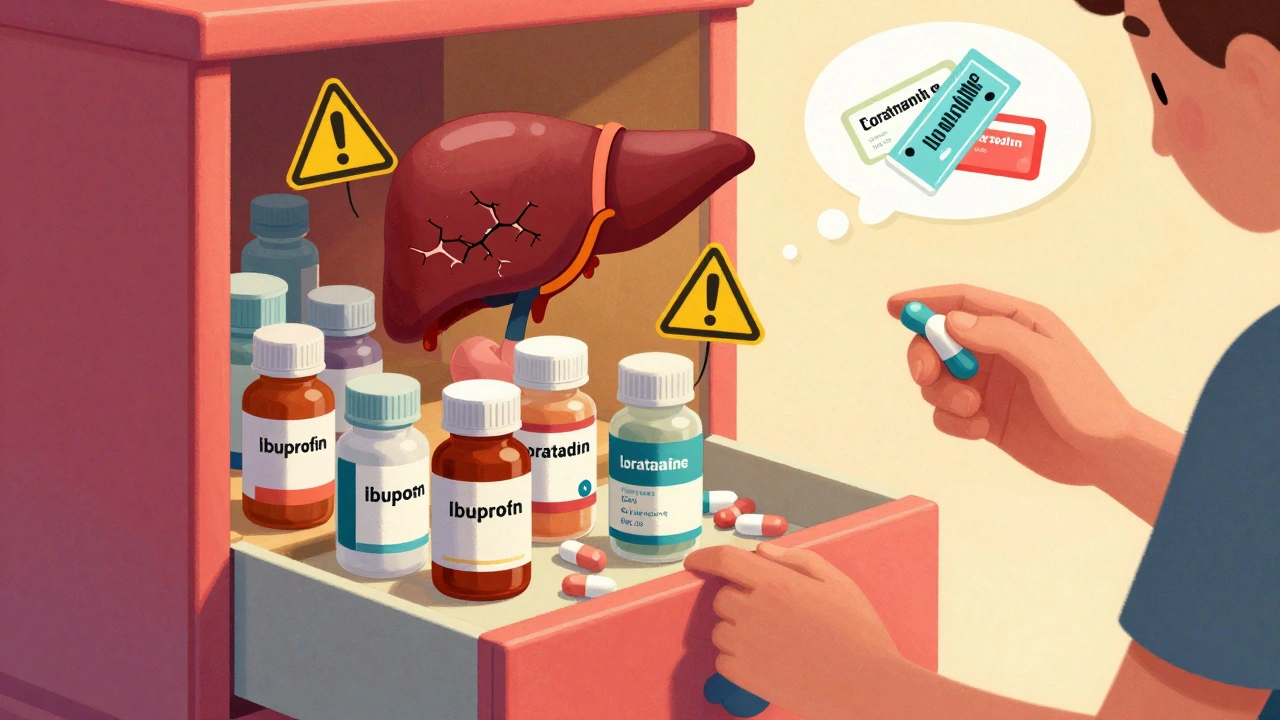
Every year, Australians reach for over-the-counter (OTC) meds more than prescription drugs. Whether it’s a headache, a stuffy nose, or sore muscles after gardening, these pills and liquids are right there on the shelf - easy, fast, and seemingly harmless. But here’s the thing: OTC doesn’t mean risk-free. Too many people treat them like candy, popping extra doses or mixing them without thinking. That’s how you end up in the emergency room with liver damage or a bleeding ulcer.
What You’re Really Taking: NSAIDs, Acetaminophen, and Antihistamines
You’ve seen the names on the box: Advil, Tylenol, Claritin. But do you know what’s actually inside? These three categories cover most OTC needs, but they work in completely different ways.NSAIDs - like ibuprofen (Advil, Nurofen) and naproxen (Aleve) - are painkillers that also fight inflammation. They’re great for sprains, arthritis, menstrual cramps, or swelling. They work by blocking enzymes called COX-1 and COX-2, which your body uses to make pain signals and inflammation chemicals. But here’s the catch: COX-1 also helps protect your stomach lining. When you block it too much, you risk stomach ulcers or bleeding. That’s why taking more than 1,200mg of ibuprofen a day (six 200mg tablets) is dangerous without a doctor’s advice.
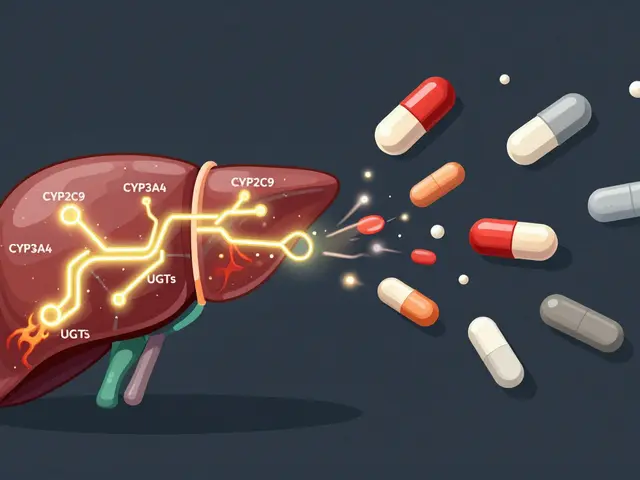
Acetaminophen (Tylenol, Panadol) is the go-to for headaches, fever, or mild pain. It doesn’t touch inflammation at all. Instead, it works mostly in the brain to lower pain and fever signals. That’s why it’s safer for people with stomach issues or bleeding disorders. But here’s the hidden danger: it’s toxic to your liver. The maximum daily dose is 4,000mg - but many experts now say 3,000mg is the real safety limit. Why? Because acetaminophen is in so many other products - cold meds, sleep aids, combination pain relievers. You can easily hit 5,000mg without realizing it.
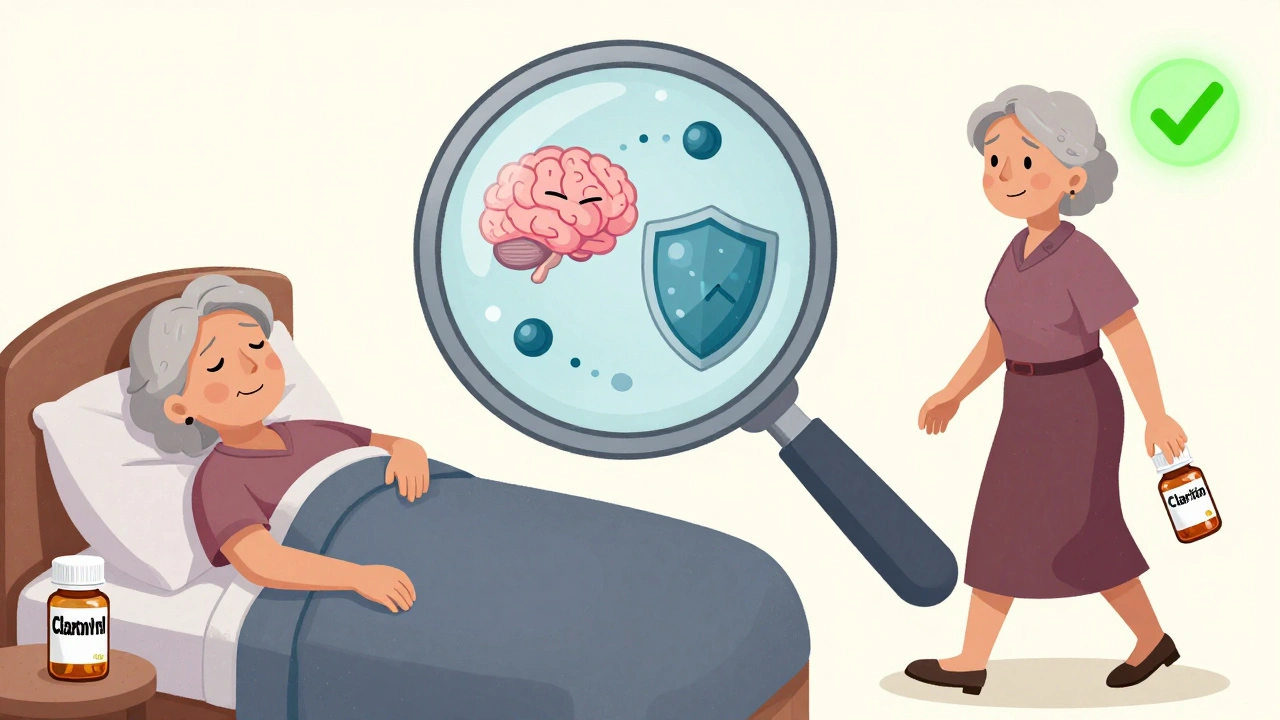
Antihistamines stop allergies. First-gen ones like diphenhydramine (Benadryl) work fast but make you drowsy - 50% of users report heavy sleepiness. Second-gen ones like loratadine (Claritin), cetirizine (Zyrtec), and fexofenadine (Telfast) last 24 hours and barely affect alertness. They’re better for daily use. But they’re not harmless. In older adults, even mild sedation can increase fall risk by 50%. And some people just don’t respond well to one type - genetics play a role. If Claritin doesn’t help, try Zyrtec. It’s not a failure; it’s biology.
How Much Is Too Much? Dosing Limits You Can’t Ignore
Most people think, “If one pill helps, two will help more.” That’s how accidents happen.- Ibuprofen (OTC): Max 1,200mg per day (six 200mg tablets). Don’t take it for more than 10 days straight without seeing a doctor.
- Acetaminophen: Max 4,000mg per day, but aim for 3,000mg. That’s six 500mg tablets. Check every cold, flu, or sleep medicine you take - many contain acetaminophen. If you’re on more than one, you’re at risk.
- Loratadine (Claritin): One 10mg tablet per day. No need to take more. Second-gen antihistamines don’t work better at higher doses - they just cost more.
And don’t forget liquid forms. The FDA says 20% of pediatric overdoses happen because parents confuse teaspoons (tsp) with tablespoons (tbsp). Always use the measuring cup that comes with the bottle - never a kitchen spoon.
Who Should Avoid These Medications?
These aren’t one-size-fits-all. Some people should skip them entirely.- NSAIDs: Avoid if you have a history of stomach ulcers, kidney disease, heart failure, or asthma. About 10-20% of asthmatics get severe breathing attacks after taking aspirin or ibuprofen.
- Acetaminophen: Don’t use if you drink alcohol regularly (even one drink a day), have liver disease, or are underweight. Your liver can’t handle the extra load.
- Antihistamines: First-gen (Benadryl) is risky for people over 65 - drowsiness increases fall risk. Also avoid if you have glaucoma, enlarged prostate, or urinary retention. Second-gen are safer, but still check with your pharmacist if you’re on other meds.
One woman in Melbourne, 72, took Benadryl every night for allergies. She started falling more often. Her pharmacist spotted it - she switched to loratadine. No more falls. No more confusion. Simple fix.
Combining Medications: The Silent Killer
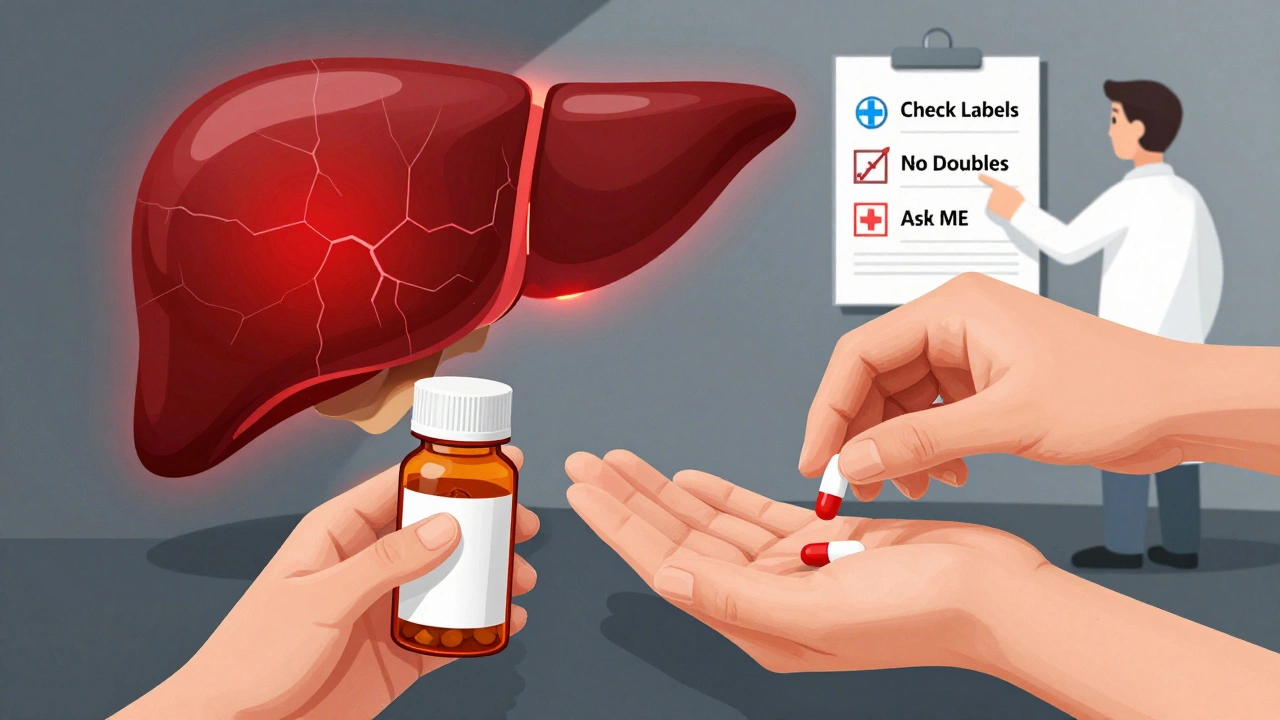
The biggest mistake? Mixing OTC meds without knowing what’s inside.Take a cold and flu tablet. It might have acetaminophen, a decongestant, and an antihistamine. Then you take a separate painkiller with more acetaminophen. Boom - overdose. That’s why 15% of OTC-related ER visits are from accidental double-dosing.
Here’s how to avoid it:
- Read the “Active Ingredients” section on every box - not just the brand name.
- If two products list the same ingredient (like acetaminophen or diphenhydramine), don’t take them together.
- Keep a list of everything you take daily - even supplements. Show it to your pharmacist.
Pharmacists see this every day. One man took Tylenol for a headache, then took a nighttime cold med - not realizing both had acetaminophen. He ended up with liver failure. He survived. But he needed a transplant.
When to Skip the Shelf and See a Doctor
OTC meds are great for short-term relief. But they’re not a fix for chronic problems.See a doctor if:
- Pain lasts more than 10 days, even with OTC meds.
- You need higher doses than recommended just to feel better.
- You’re taking OTC painkillers more than 3 days a week.
- You have stomach pain, black stools, or vomiting after taking NSAIDs.
- Your allergies aren’t improving after a week of antihistamines.
- You’re over 65 and taking multiple OTC meds daily.
Chronic pain? It might be arthritis, nerve damage, or something else. Allergies that won’t quit? You might need allergy testing or a steroid nasal spray. OTC meds mask symptoms - they don’t treat causes.
What’s New and What’s Changing
The OTC world is shifting. In 2023, the FDA proposed lowering the max daily acetaminophen dose from 4,000mg to 3,250mg. Why? Because liver damage from accidental overdose is still too common - 56,000 ER visits a year in the U.S. alone.Topical NSAIDs are getting stronger. Diclofenac 3% gel is now available OTC in Australia for joint pain. It delivers relief directly to the joint, with far less stomach risk than pills.
And here’s something surprising: low-dose statins for cholesterol might soon be OTC. If it works like omeprazole (Prilosec), which went from prescription to OTC and now dominates the heartburn market, it could change how we manage long-term health.
Real Talk: What People Actually Say
Reddit users on r/Pharmacy shared their experiences. One said: “I took ibuprofen for menstrual cramps for years. Then I got a stomach bleed. Now I use acetaminophen - no more pain in my gut.”Another: “Claritin doesn’t work for me. Zyrtec does. My doctor said it’s genetics. I didn’t know that was a thing.”
On Amazon, Benadryl has 45% of reviews saying “I’m so sleepy I can’t function.” Claritin? Only 12% mention drowsiness. That’s the difference between 1940s medicine and today’s.
And the most common complaint? “I didn’t know my cold medicine had acetaminophen. I took Tylenol too. I was sick for days.”
Smart Choices, Not Just Easy Ones
OTC meds are powerful tools - not snacks. They can save your day, or they can ruin your health. The key isn’t avoiding them. It’s using them wisely.Here’s your quick checklist before you buy:
- Know the active ingredient - not just the brand.
- Check for duplicates - don’t double-dose.
- Stick to the max daily dose - no exceptions.
- Ask your pharmacist - they’re free, trained, and in every suburb.
- Stop if it doesn’t help in 3-5 days - it’s time for a doctor.
Medications on the shelf aren’t there because they’re safe. They’re there because they’re safe when used correctly. Treat them like you would a power tool - respect them, read the manual, and never rush.
Can I take ibuprofen and acetaminophen together?
Yes, you can take them together if needed - they work differently and don’t interact dangerously. For example, if you have a bad headache and fever, you might take 500mg acetaminophen and 200mg ibuprofen at the same time. But don’t do it every day. Stick to the max doses for each: 3,000mg for acetaminophen and 1,200mg for ibuprofen per day. Never mix them with other painkillers or cold meds without checking labels.
Is acetaminophen safer than NSAIDs for the stomach?
Yes, acetaminophen is much gentler on the stomach. NSAIDs like ibuprofen and naproxen can cause ulcers, bleeding, and stomach pain, especially with regular use. Acetaminophen doesn’t affect the stomach lining. That’s why doctors recommend it for people with a history of ulcers, GERD, or those taking blood thinners. But remember - it’s hard on the liver. So if you drink alcohol, have liver disease, or take other meds, talk to your pharmacist first.
Why do some antihistamines make me sleepy and others don’t?
It’s about the type. First-gen antihistamines like diphenhydramine (Benadryl) cross into your brain and block histamine receptors there, which causes drowsiness. Second-gen ones like loratadine (Claritin) and cetirizine (Zyrtec) are designed not to enter the brain - so they work on allergies without making you tired. If you need to drive, work, or care for kids, choose second-gen. If you’re using it for sleep (like Benadryl at night), first-gen is fine - but don’t use it daily. It can reduce effectiveness over time and increase fall risk in older adults.
Can I give OTC meds to my child?
Yes - but only with the right dose. Never use adult doses for kids. Always check the label for weight-based dosing. Liquid forms must be measured with the included syringe or cup - never a kitchen spoon. For children under 12, avoid NSAIDs like ibuprofen unless advised by a doctor. Acetaminophen is usually safer, but still stick to the recommended amount. If you’re unsure, ask your pharmacist. Many pharmacies offer free child dosing consultations.
Are store-brand OTC meds as good as name brands?
Yes, absolutely. Store brands (like Chemist Warehouse’s own label, or Woolworths’ ‘Essential’ range) contain the same active ingredients as name brands like Advil or Tylenol. The only differences are the inactive ingredients (fillers, colors, flavors) and price. Store brands cost 30-50% less and work just as well. The FDA requires them to meet the same standards. Just make sure the active ingredient and dose match what you’d get from the name brand.
What should I do if I think I’ve taken too much?
If you suspect an overdose - especially with acetaminophen - don’t wait for symptoms. Call Poison Control immediately or go to the nearest emergency department. Acetaminophen overdose can cause liver damage without obvious signs for 24-48 hours. For NSAIDs, symptoms like vomiting, stomach pain, or dizziness need urgent attention. Bring the medicine bottle with you. Time matters. The antidote for acetaminophen (N-acetylcysteine) works best if given within 8 hours.
Next Steps: How to Use OTC Meds Safely
Start today:- Look at your medicine cabinet. Take out every OTC product. Write down the active ingredients on a piece of paper.
- Check for duplicates - especially acetaminophen in cold, flu, and sleep meds.
- Throw out anything expired. They lose effectiveness and can become unsafe.
- Next time you’re at the pharmacy, ask the pharmacist: “Is this safe with what I’m already taking?”
- Set a phone reminder: “Check OTC meds every 3 months.”
Safe use isn’t about fear. It’s about awareness. You’re not a patient. You’re a smart consumer. And that’s the best protection you have.

Stop treating OTC meds like candy. I used to pop ibuprofen like M&Ms for my period until I ended up in the ER with a bleeding ulcer. Now I use acetaminophen and ice packs. Simple. Cheap. Safe. Your body isn’t a vending machine.
Also - if you’re over 65 and taking Benadryl at night? Stop. Just stop. Switch to Zyrtec. Your balance will thank you. I helped my mom do it last year - no more falls, no more confusion. Pharmacists aren’t just there to ring up your stuff - ask them. They’re free experts.
The pharmacological dissociation between COX-1 and COX-2 inhibition is the cornerstone of NSAID toxicity, yet most consumers conflate analgesic efficacy with safety. The hepatic metabolism of acetaminophen via CYP2E1 generates NAPQI, a reactive metabolite that depletes glutathione reserves - a biochemical cascade that’s often asymptomatic until irreversible hepatocellular necrosis occurs. And yet, we casually stack it with NyQuil, Excedrin, and Vicodin like it’s a breakfast cereal.
What’s more alarming is the normalization of polypharmacy in OTC spaces. The FDA’s proposed reduction to 3,250mg isn’t conservative - it’s overdue. We’re not just ignoring dosage limits; we’re institutionalizing ignorance. The real tragedy? Most overdoses aren’t suicidal - they’re just tragically uninformed.
And don’t get me started on first-gen antihistamines. Diphenhydramine’s affinity for muscarinic receptors in the CNS isn’t just sedation - it’s anticholinergic burden, a known risk factor for dementia in geriatric populations. Yet we still sell it in every pharmacy aisle like it’s a sleep aid, not a neurotoxin with a 12-hour half-life.
Knowledge isn’t power here - it’s the only thing standing between someone and a liver transplant.
Wow. Just… wow. I mean, who even *is* this person? Writing a whole essay about pills? Like, I get it - you’re trying to sound smart. But come on. This isn’t a medical journal. It’s Reddit.
And don’t even get me started on the ‘ask your pharmacist’ nonsense. Like, I’m supposed to trust some guy in a white coat who’s just trying to upsell me on probiotics and protein powder? No thanks. I’ve got Google. And my cousin who’s a nurse.
Also, ‘don’t mix meds’? Really? That’s your big revelation? I thought we were past the ‘don’t drink and drive’ era. What’s next? ‘Don’t breathe oxygen - it’s dangerous if misused!’
Also, why is everyone so scared of acetaminophen? I take 3,000mg a day and I’m fine. My liver’s a tank. You’re all just scared of things you don’t understand.
Also also - why is everyone so obsessed with Zyrtec? Claritin works fine for me. Maybe you’re just allergic to being told what to do.
Anyway. I’m out. This post is too long. I’m going to take a Tylenol and watch Netflix. 😌
Read the label. That’s it. That’s the whole thing.
Stop assuming your cold medicine doesn’t have acetaminophen. It does. Always does. Check the bottle. Every time.
Store brand = same active ingredient. Save your money. No one cares if it’s blue or green.
If you’re over 65 and taking Benadryl to sleep? Stop. Switch to Zyrtec. It’s not magic. It’s science.
If your pain lasts more than 10 days? You’re not healing. You’re ignoring something.
If you’re mixing two things with the same ingredient? You’re not being smart. You’re being lucky.
Pharmacists are there for a reason. They’re not selling you snake oil. They’re saving your life. Talk to them.
And for god’s sake - use the damn measuring cup. Not a teaspoon from your kitchen drawer. I’ve seen it. I’ve seen the ER reports. It’s not cute. It’s not clever. It’s just dangerous.
Simple. Not hard. Just pay attention.
And if you’re still taking expired meds? Toss them. They’re not ‘still good’. They’re just old poison.
That’s it. You’re welcome.
I grew up in a household where every ache got a pill. My dad took ibuprofen every day for his back. My mom used Benadryl to sleep. No one ever checked the labels. No one ever asked questions.
My dad ended up with kidney damage. My mom started falling in the bathroom. It took years before anyone connected the dots.
I didn’t know until I was 30 that acetaminophen was in half the cold meds. I thought Tylenol was just Tylenol. Turns out, it’s in every nighttime formula, every sinus relief, every combo pack.
Now I keep a little notebook. I write down every pill I take - even the ones I get at the gas station. I show it to my pharmacist every time I walk in. They don’t judge. They help.
It’s not about fear. It’s about respect. These aren’t candy. They’re tools. And tools can hurt you if you don’t know how to use them.
And yeah - if Claritin doesn’t work? Try Zyrtec. It’s not you. It’s your genes. My sister takes cetirizine and it’s like magic. She used to think she was just ‘allergic to life’. Turns out, she just had the wrong antihistamine.
Small changes. Big difference.
i just learned that store brands are the same as name brands omg why did no one tell me this sooner i’ve been wasting so much money lmao
Just had a chat with my local pharmacist about this - she said 8 out of 10 people don’t check active ingredients. Eight out of ten.
She showed me a guy who came in last week with liver enzymes through the roof. Took Tylenol for a headache. Took a cold med. Didn’t realize both had acetaminophen. He thought he was being smart by doubling up.
He’s okay now. But he’s on a waiting list for a transplant.
It’s not about being scared. It’s about being informed.
And hey - if you’re using Benadryl every night? Please. Just switch. Your brain will thank you. I did. No more groggy mornings. No more ‘did I forget to pay the bills?’
Also - I use diclofenac gel now for my knee. No stomach issues. Just relief. Game changer.
And yeah. Ask your pharmacist. They’re not there to sell you stuff. They’re there to keep you alive. 😊