
Neuropathy Treatment: What Works and What to Avoid
When nerves in your hands, feet, or legs start tingling, burning, or going numb, you’re dealing with neuropathy, damage to the peripheral nerves that send signals between your brain, spinal cord, and the rest of your body. Also known as peripheral neuropathy, it’s not a disease itself—it’s a symptom, often from diabetes, chemotherapy, injury, or even vitamin deficiencies. Millions live with it, and most treatments focus on managing pain, not curing the nerve damage. The good news? You don’t have to just live with it. There are real, science-backed ways to reduce the burning, numbness, and sharp pains that make walking or sleeping hard.
Diabetic neuropathy, the most common form, affects over half of people with long-term type 2 diabetes. It’s not just about blood sugar control—though that’s the first step. Medications like gabapentin and pregabalin are often prescribed to calm overactive nerves, but they don’t work for everyone. Some find relief with antidepressants, especially older ones like amitriptyline, which help by changing how the brain processes pain signals. Others turn to topical creams with lidocaine or capsaicin. But here’s the catch: many of these drugs cause drowsiness, dizziness, or weight gain. That’s why people are looking at alternatives—like physical therapy, acupuncture, or even low-dose naltrexone, which some clinics now use off-label.
What’s missing from most doctor’s offices is a plan that connects the dots. Neuropathy isn’t just a nerve issue—it’s tied to your diet, your circulation, your sleep, and even your stress levels. A study in the Journal of Neurology found that people who combined blood sugar control with 30 minutes of daily walking cut their nerve pain by 40% over six months. That’s more than most pills can promise. And while some turn to supplements like alpha-lipoic acid or B12, they only help if you’re actually deficient. Taking extra won’t fix a nerve damaged by years of high sugar or alcohol use.
You’ll find posts here that dig into exactly what works—and what doesn’t. From how certain antidepressants help (or hurt) nerve pain, to why some meds cause skin rashes that make things worse, to how drug interactions can sneak up on you when you’re juggling multiple prescriptions. We don’t sugarcoat it. If a treatment has a high chance of side effects, you’ll know. If there’s a low-cost, low-risk option most doctors overlook, you’ll find it here. This isn’t about miracle cures. It’s about real choices, backed by evidence, that actually fit your life.
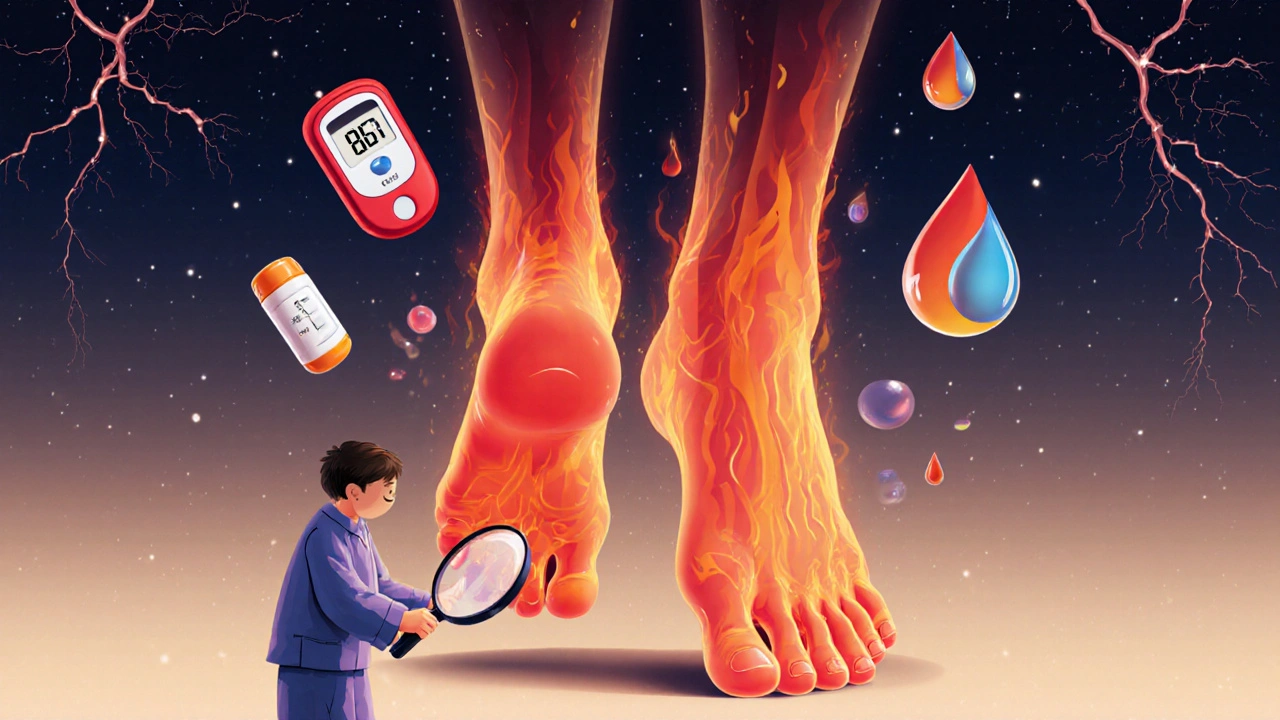
Peripheral Neuropathy: Common Causes and Effective Pain Management Strategies
Peripheral neuropathy causes burning, numbness, and balance issues, often from diabetes or vitamin deficiency. Learn proven pain treatments, what actually works, and how to prevent further nerve damage.
View more