
Expiration Dates: What They Really Mean for Your Medications
When you see an expiration date, the date by which a medication is guaranteed to be fully potent and safe to use, as determined by the manufacturer under controlled storage conditions. Also known as use-by date, it’s not just a marketing tactic—it’s a legal requirement backed by real testing. Most people assume expired medicine turns toxic, but that’s mostly a myth. The real issue? Loss of strength. A 2012 FDA study found that 90% of over 100 drugs, both prescription and OTC, were still effective up to 15 years past their expiration date—when stored properly. That doesn’t mean you should take anything old, but it does mean the date isn’t a hard stop.
What really matters is medication safety, how a drug behaves in real-world conditions after leaving the factory. Heat, humidity, and light degrade pills and liquids faster than time alone. Insulin, nitroglycerin, and liquid antibiotics? Don’t risk it. They lose potency quickly and can become dangerous. But a bottle of ibuprofen from last year? Likely still fine if kept in a cool, dry place like a bedroom drawer—not the bathroom or car. drug potency, the strength and effectiveness of a medication at the time of use. drops slowly, but not always evenly. Some pills crumble. Others change color. If it looks odd, smells strange, or doesn’t dissolve like it used to, toss it.
Pharmacies print expiration dates based on stability studies, but those tests assume perfect storage. Your medicine doesn’t live in a lab. It rides in your purse, sits on the windowsill, or gets left in a hot car. That’s why pharmaceutical shelf life, how long a drug remains effective under actual home conditions. is often shorter than the label says. The FDA’s Shelf Life Extension Program even found some military stockpiles still working decades later—under strict conditions. But you’re not the military. So here’s the rule: if it’s a life-saving drug (like an EpiPen or heart medication), replace it on time. For pain relievers or allergy pills? Check the condition, not just the date.
There’s no magic number for when expired meds become harmful. But there’s a clear line between being cautious and being careless. Don’t panic over a six-month-old bottle of aspirin. But don’t risk your child’s health with last year’s amoxicillin either. The expiration date is a guide, not a guarantee. Your best tool? Clean storage, regular clean-outs, and knowing when to ask your pharmacist. Below, you’ll find real stories and facts about how people handle expired drugs, what the FDA really says, and how to avoid common mistakes that put your health at risk.
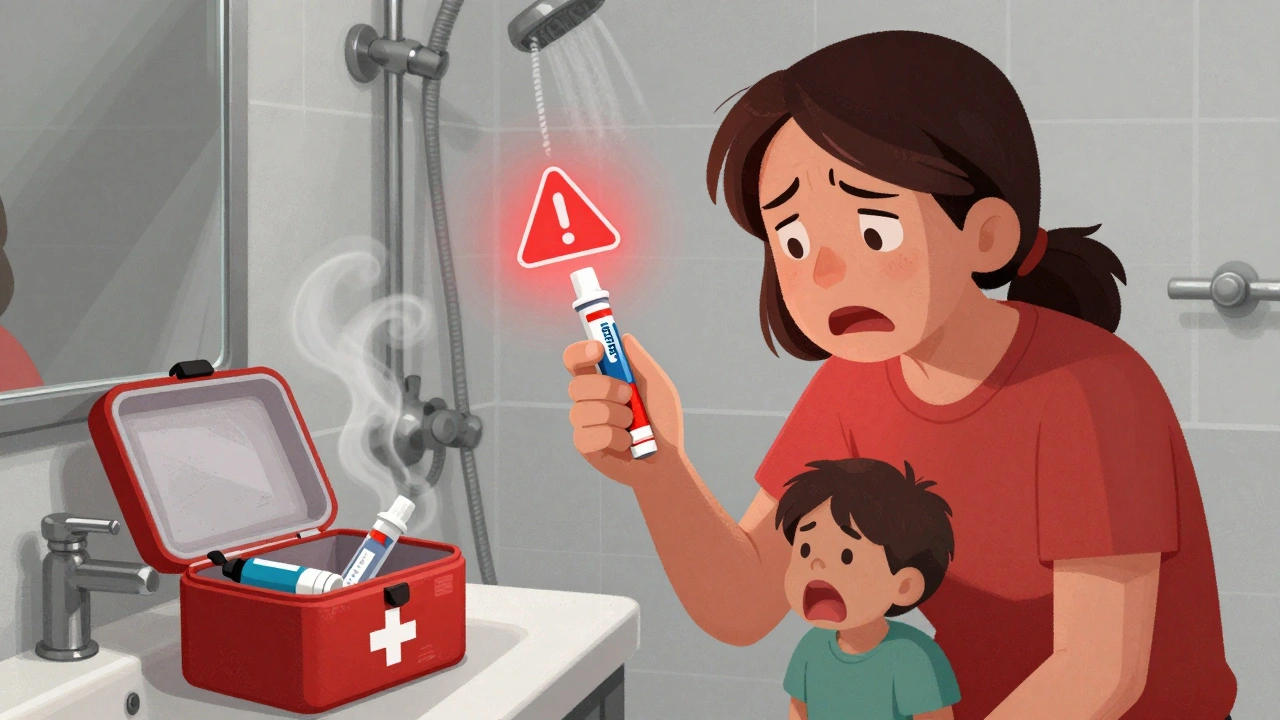
How to Decide When to Replace Expired OTC First-Aid Medications
Learn which expired OTC first-aid meds are safe to use and which ones can be dangerous. Get clear guidelines on when to replace epinephrine, pain relievers, creams, and more - backed by FDA data and real-world studies.
View more