
Drug Shortages: Why They Happen and How They Impact Your Medications
When a drug shortage, a situation where there isn't enough of a medication to meet patient demand. Also known as medication supply crisis, it can leave people without life-saving treatments, delay surgeries, or force doctors to switch prescriptions mid-treatment. This isn’t rare—it’s happening more often, and it’s not just about big-name drugs. Even common ones like antibiotics, insulin, or blood pressure pills can vanish from shelves for months. You might not hear about it on the news, but if you’ve ever been told your pharmacy is out of stock, you’ve felt it.
These shortages aren’t random. They’re tied to how drugs are made. Most generic medicines come from just a few factories, often overseas. If one plant has a quality issue, like contamination or failed inspections, the whole supply chain breaks. The pharmaceutical supply chain, the network of manufacturers, distributors, and regulators that get drugs from labs to pharmacies is fragile. It’s built for efficiency, not resilience. When a factory shuts down for repairs, or raw materials get delayed, there’s no backup. And because generics make so little profit, companies don’t invest in extra capacity. Even a small dip in production can cause a ripple across the country.
The generic drug market, the segment of pharmaceuticals that provides affordable alternatives to brand-name drugs after patents expire is supposed to keep costs low. But when supply drops, prices spike. Some patients pay three times more just to get the same pill. Others get substituted with a different drug—one they’ve never taken before—risking side effects or reduced effectiveness. The FDA tracks these shortages, but their public list is often behind the reality on the ground. You don’t need to wait for an alert to act. If your medication suddenly becomes hard to find, talk to your doctor early. Ask about alternatives, check other pharmacies, or ask if a 90-day supply is possible.
What you’ll find here are real stories and clear facts about how drug shortages hit people like you. From insulin running out during a heatwave to a cancer patient stuck waiting for a chemo drug, these posts show what happens when the system fails. You’ll learn how to spot early warning signs, what questions to ask your pharmacist, and how to prepare before a shortage hits. There’s no magic fix, but knowledge helps you stay in control.
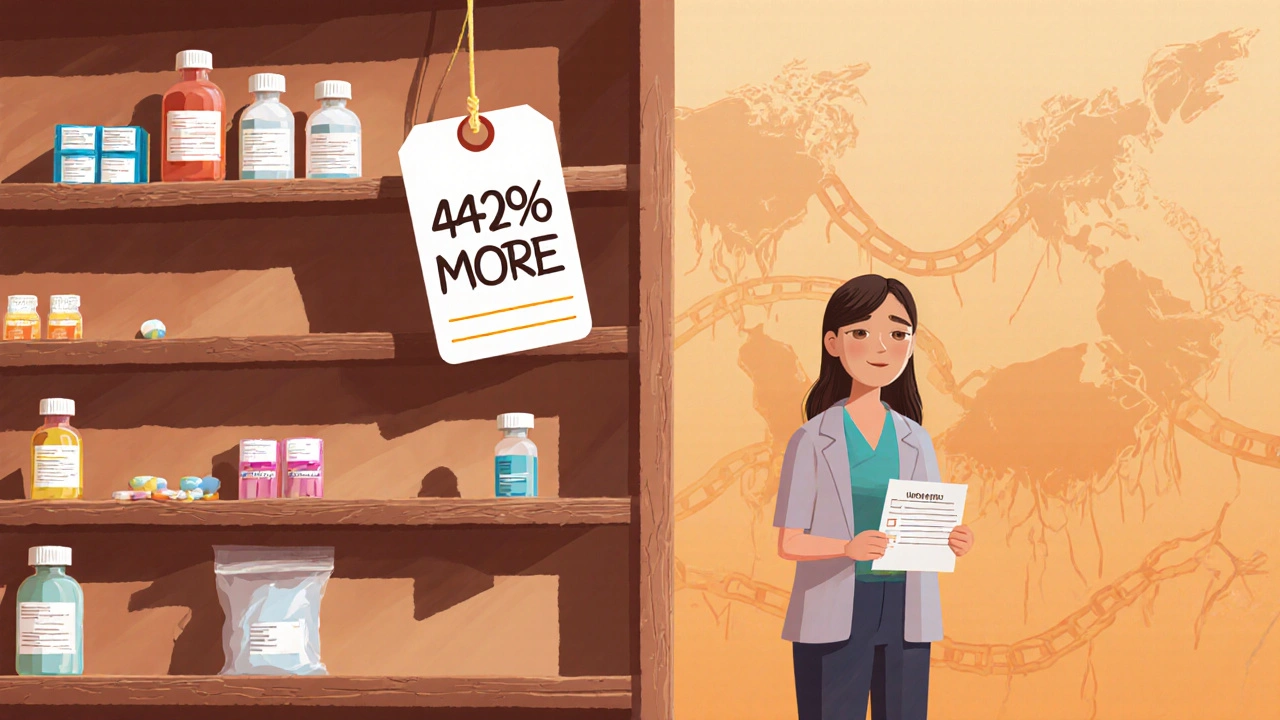
Pricing Pressure and Shortages: How Supply Crunches Are Hitting Health Care Costs
Pricing pressure and drug shortages are worsening health care costs, forcing patients to choose between medicine and essentials. Learn how global supply chains, policy failures, and low-margin generics are driving the crisis.
View more