
Acetaminophen: What It Is, How It Works, and When to Use It Safely
When you have a headache, a fever, or sore muscles, chances are you reach for acetaminophen, a widely used over-the-counter pain and fever reliever that’s found in dozens of brand and generic products. Also known as paracetamol, it’s one of the most common medications in homes worldwide—but it’s not harmless. Unlike ibuprofen or aspirin, acetaminophen doesn’t reduce swelling. Instead, it blocks pain signals in the brain and lowers fever by affecting the body’s temperature control center. That makes it ideal for people who can’t take NSAIDs, like those with stomach ulcers or kidney issues. But here’s the catch: the dose that helps is dangerously close to the dose that can wreck your liver.
Most people don’t realize that acetaminophen hides in more than 200 products—from cold medicines to sleep aids to prescription painkillers like Vicodin. Taking two different products at once can easily push you over the 4,000 mg daily limit, even if each seems fine on its own. And if you drink alcohol regularly, your liver has less ability to process it, making overdose risk much higher. The liver damage, a silent, often fatal side effect of acetaminophen overdose doesn’t show symptoms right away. By the time you feel sick, it might be too late. That’s why doctors warn against using it for every little ache. It’s not a cure—it’s a temporary fix, and using it too often can do more harm than good.
There’s also growing evidence that using acetaminophen too early after vaccines might reduce how well your child’s immune system responds. One study showed kids who got acetaminophen right after shots had lower antibody levels than those who waited until they were truly uncomfortable. That’s why some pediatricians now recommend holding off unless the fever is high or the child is in real distress. And if you’re taking other meds—like blood thinners or seizure drugs—acetaminophen can interact in ways you won’t see coming. It’s not just about the pill in your hand. It’s about what else is in your body.
Below, you’ll find real-world advice on how to use acetaminophen without risking your health, when to skip it entirely, and what to do instead. From vaccine timing to hidden sources in combo meds, these posts cut through the noise and give you clear, practical steps to stay safe.
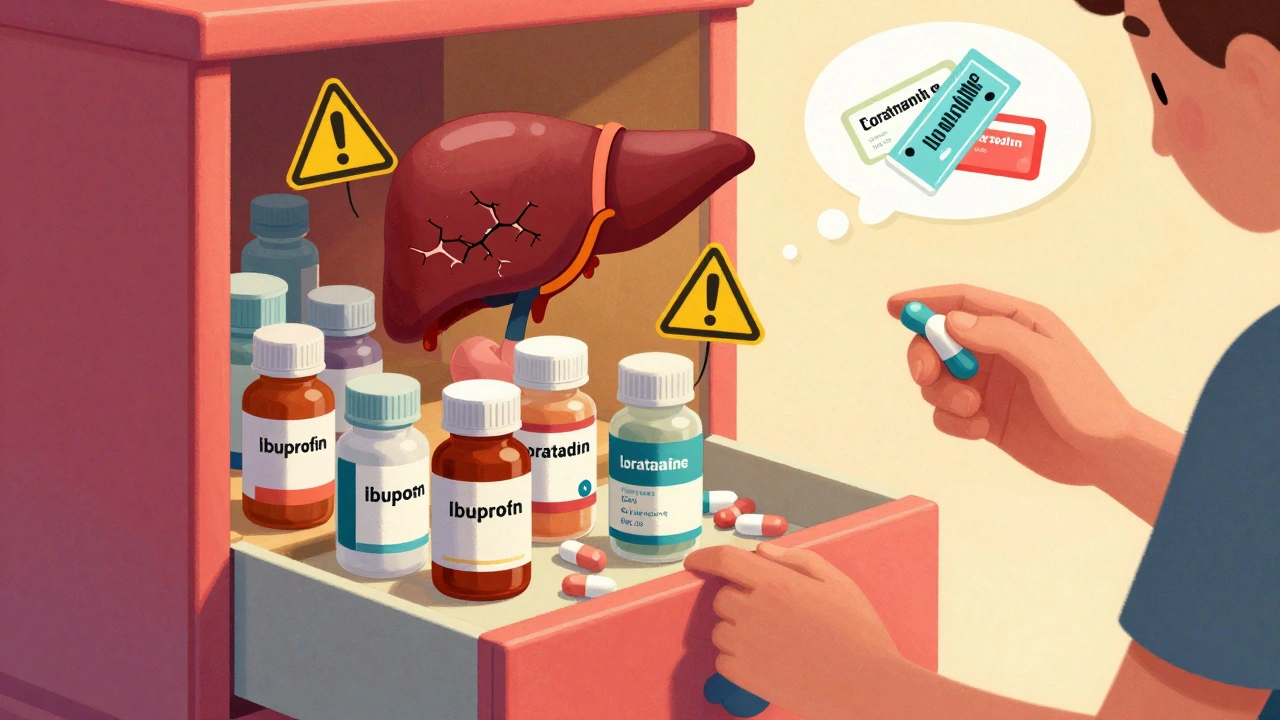
Over-the-Counter Medications: NSAIDs, Acetaminophen, and Antihistamines Explained for Safe Use
Learn how to safely use common OTC medications like NSAIDs, acetaminophen, and antihistamines. Avoid overdose, liver damage, and dangerous interactions with clear dosing rules and real-world advice.
View more