
 15
Jan,2026
15
Jan,2026
Many older adults struggle to understand medical information-even when it’s meant to help them. A 2023 CDC report found that 63% of seniors have trouble reading medication labels, and over half don’t ask questions when they’re confused, not because they don’t care, but because they’re embarrassed. The truth is, most health materials aren’t made for them. They use tiny fonts, complex words, and assume knowledge most seniors don’t have. But it doesn’t have to be this way.
Why Standard Health Materials Fail Seniors
Most patient handouts are written at a 7th or 8th grade level. That sounds fine-until you realize that 20% of all U.S. adults read at or below a 3rd grade level. For seniors, the problem gets worse. Aging affects vision, memory, and how fast the brain processes new information. A 2021 study in the Journal of General Internal Medicine showed that when materials were rewritten to a 3rd-5th grade level, seniors understood them 42% better. Simple words like "hypertension" become "high blood pressure." "Administer" becomes "give." "Compliance" becomes "take as told." And that’s just the start. Many seniors also have trouble seeing small text, hearing quiet voices, or remembering multi-step instructions. A doctor might say, "Take this pill before breakfast and the other after dinner," but if the patient can’t remember which is which, or if the label is too small to read, the plan falls apart.What Makes Good Senior Patient Education Materials
Effective materials for older adults follow clear, proven rules-not guesses or trends. The National Institute on Aging and the CDC have spent decades testing what works. Here’s what they found:- Font size: At least 14-point-no smaller. Times New Roman or Arial are easier to read than fancy fonts.
- High contrast: Black text on white background works best. Avoid gray text, pastel backgrounds, or patterns.
- Short sentences: 15 words or fewer. One idea per sentence.
- Clear headings: Use big, bold text to break up sections. "How to Take Your Medicine" is better than "Medication Management Protocol."
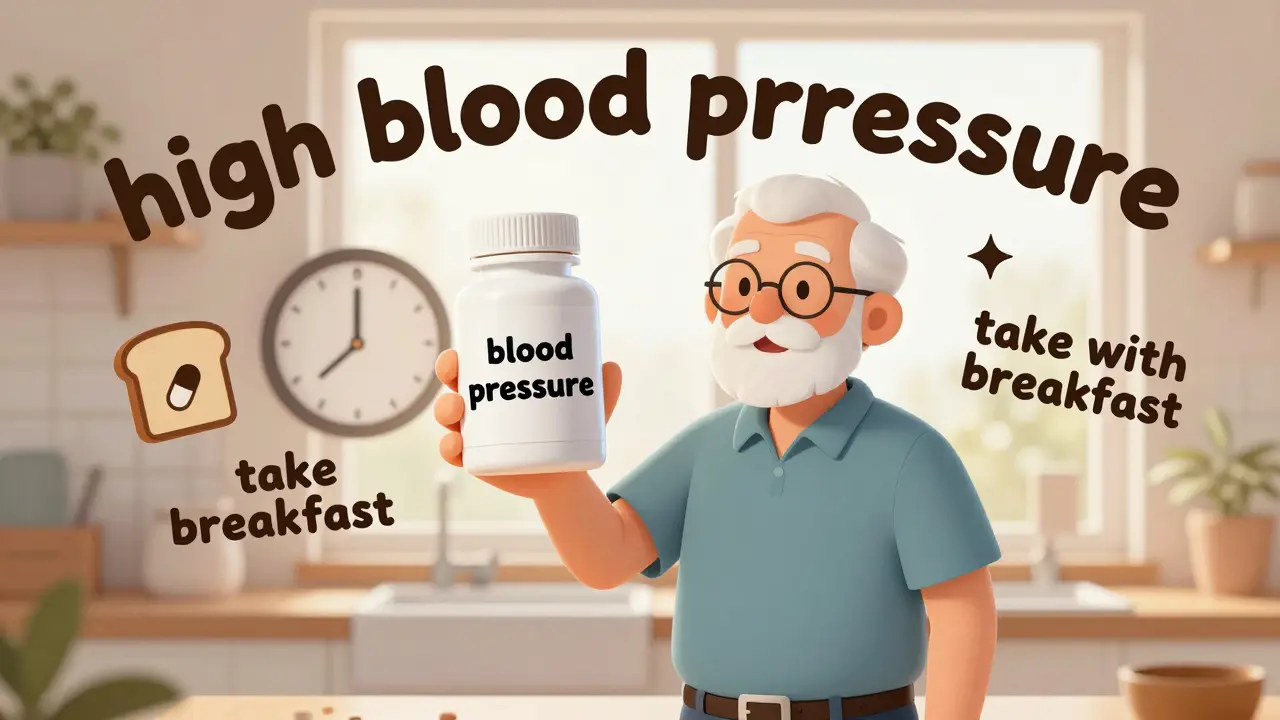
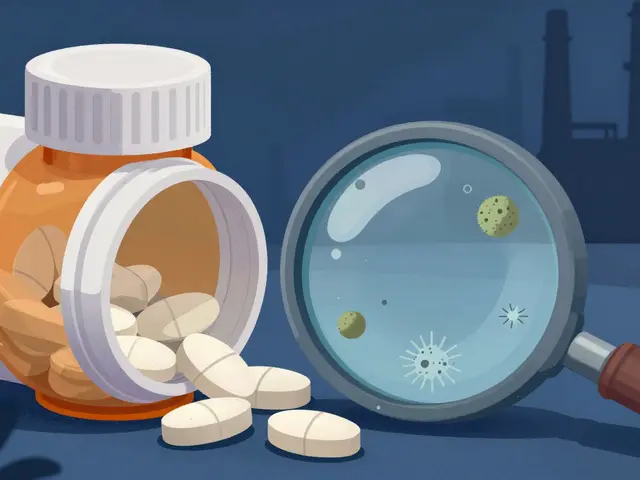
- Use pictures and icons: A picture of a pill bottle with a clock showing 8 a.m. tells more than a paragraph.
- Use real-life examples: Instead of saying "Take medication with food," say "Take your pill with your morning toast."
Even small details matter. The letter "l" can look like "1," and "O" can look like "0." Experts recommend writing "m as in Mary" next to tricky letters on forms. This isn’t overkill-it’s necessary.
Where to Find Trusted Materials
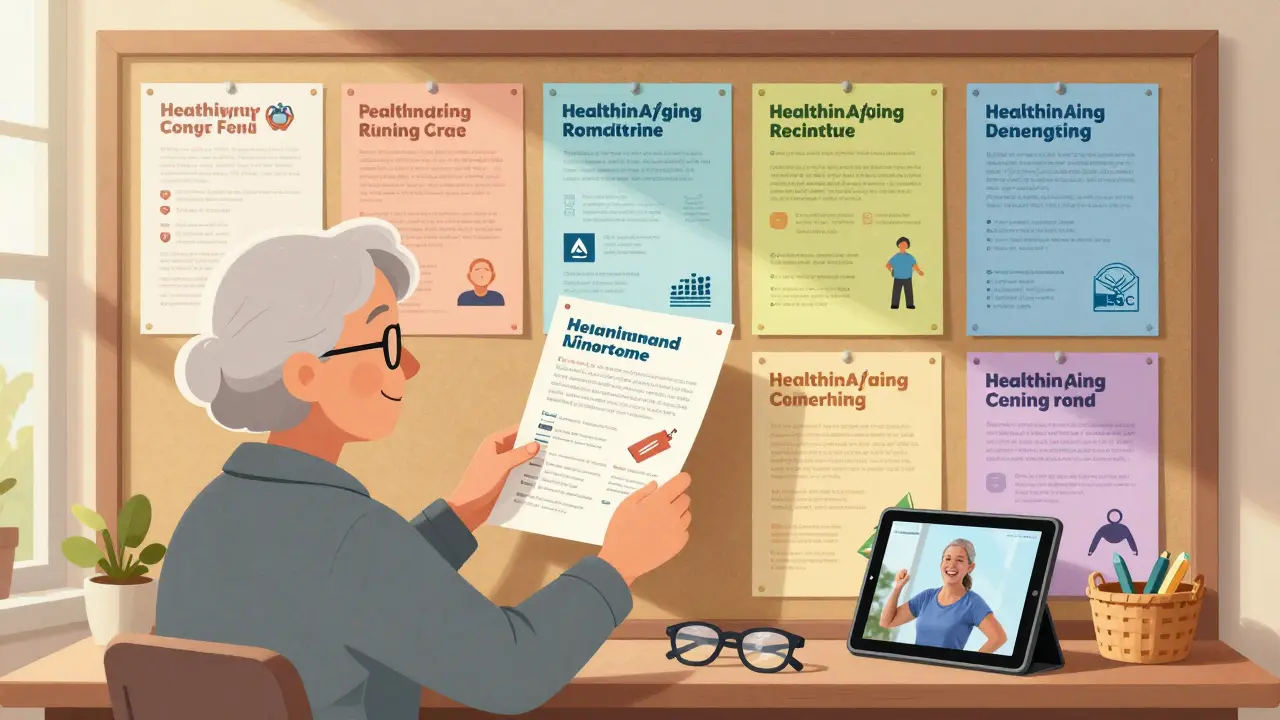
You don’t have to create everything from scratch. Several trusted organizations offer free, tested materials designed specifically for seniors:- HealthinAging.org by the American Geriatrics Society has over 1,300 free resources. Topics include diabetes, heart failure, dementia, and falls. All are written at a 3rd-5th grade level and reviewed by older adults.
- MedlinePlus has a special "Easy-to-Read" section with 217 resources, from "Understanding Your Blood Pressure" to "Staying Active After 65." Each is labeled with the Health Education Materials Assessment Tool (HEMAT) score.
- National Institute on Aging (NIA) offers guides like "Talking With Your Older Patients" and "Go4Life," which includes video demonstrations of safe exercises. Their 2024 update added voice-guided features for people with vision loss.
- CDC’s Healthy Aging Program provides downloadable fact sheets on flu shots, vaccines, and managing multiple medications-all with large print and simple language.
These aren’t just websites. Many local clinics, senior centers, and pharmacies have printed copies you can pick up. Ask your doctor or pharmacist: "Do you have any easy-to-read handouts about [condition]?"
Teach-Back: The Most Powerful Tool
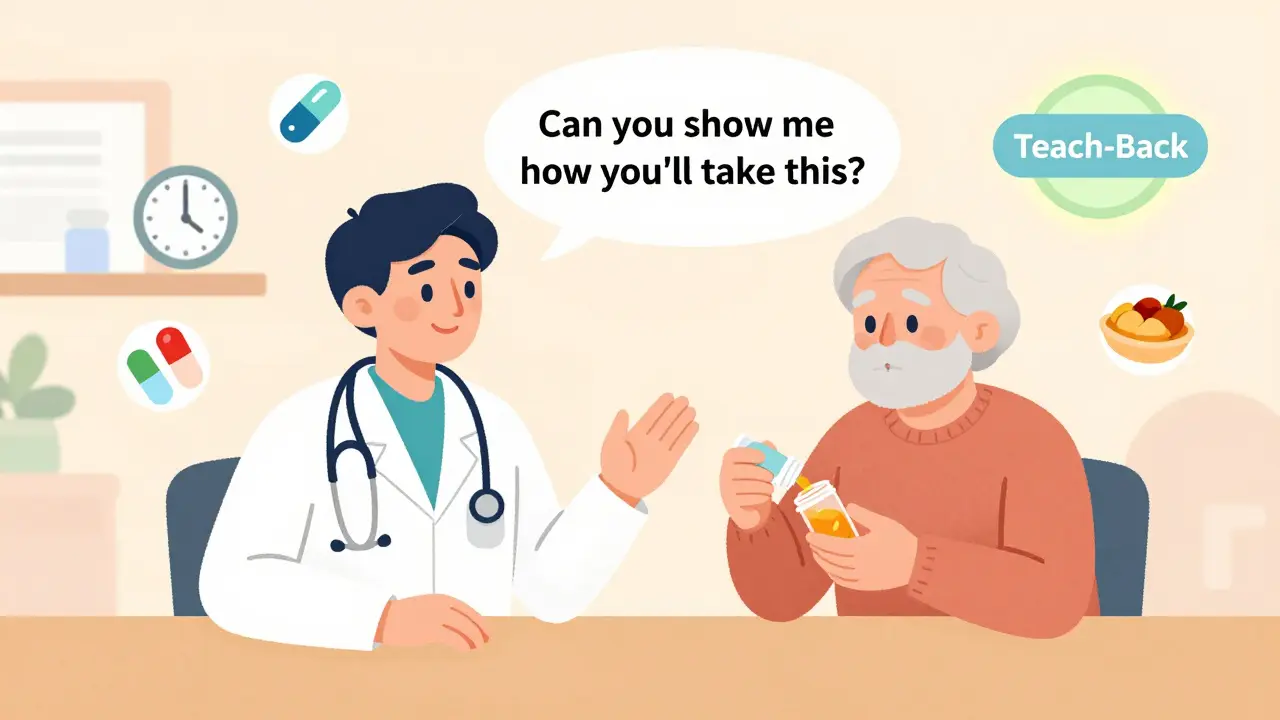
Knowing what to say isn’t enough. You have to know if the person understood. That’s where "teach-back" comes in. Instead of asking, "Do you understand?"-which most people say yes to, even if they don’t-ask:- "Can you tell me how you’ll take this medicine each day?"
- "What will you do if you feel dizzy after taking this pill?"
- "Show me how you’d open this pill bottle."
This isn’t a test. It’s a conversation. A 2022 study found that when providers used teach-back, patient understanding improved by 31%-and they only spent 2.7 extra minutes per visit. That’s less time than it takes to check your phone.
Even caregivers can use this. If you’re helping a parent, try it at home. Ask them to explain the plan in their own words. If they get stuck, go back. Don’t move on until they can say it clearly.
Why This Matters: Real Results
Better materials don’t just make people feel better-they save lives and money.- Hospitals using full senior education programs saw 14.3% fewer readmissions for Medicare patients, saving about $1,842 per person.
- One study found illustrated step-by-step instructions improved medication adherence by 37% compared to text-only.
- Health systems using universal health literacy practices cut emergency room visits for seniors by 22% in just 18 months.
And the cost of not doing this? The Agency for Healthcare Research and Quality estimates poor health literacy costs the U.S. system between $106 billion and $238 billion every year. Most of that comes from avoidable hospital stays, wrong doses, and missed appointments.
Barriers and How to Overcome Them
Many clinics want to help but say they don’t have time or money. A 2023 survey found that 78% of providers say staff time is the biggest obstacle. But you don’t need a big budget.- Start small: Pick one common condition-like high blood pressure-and replace one handout with a free one from HealthinAging.org.
- Use what’s already free: Don’t pay for custom materials unless you’ve tested them with real seniors first.
- Train staff: Even a 15-minute huddle on teach-back can change outcomes. The American Medical Association now requires all medical students to learn health literacy by 2026.
- Ask seniors: Bring in a few older adults to review your materials. Ask: "What’s confusing? What would you change?" They’ll tell you.
Some clinics now use tablets with voice-guided videos for patients with low vision or hearing loss. Others print materials on thick, glossy paper so they don’t tear. These aren’t luxury upgrades-they’re basic tools for dignity.
The Future Is Personal
New tools are coming. The National Institutes of Health is funding a $4.2 million project to build AI-driven education tools that adjust text size, speed, and language based on how a person responds. Imagine a video that slows down if you look confused, or a handout that reads itself aloud when you tap it.But even with technology, the core rule stays the same: Don’t assume they know. Don’t assume they understand. Always check.
Seniors aren’t failing to understand medicine. Medicine is failing to reach them. The fix isn’t complicated. It’s simple: speak clearly, write plainly, show visually, and always ask them to explain it back.
What reading level should senior patient education materials be written at?
Senior patient education materials should be written at a 3rd to 5th grade reading level. Even though the average U.S. adult reads at a 7th-8th grade level, 20% of adults-including many seniors-read at or below the 3rd grade level. Research shows materials at this level improve understanding by 42% compared to standard medical texts. Use simple words, short sentences, and clear headings to match this standard.
What font size is best for older adults?
Use at least 14-point font for printed materials. Smaller fonts are hard to read, especially for seniors with vision changes. Avoid decorative fonts like Script or Italic. Stick to clean, sans-serif fonts like Arial or Helvetica. For digital screens, increase text size in settings or use screen readers.
How can I make sure a senior understands their medication instructions?
Use the teach-back method. Instead of asking, "Do you understand?" ask them to explain it in their own words. Say: "Can you show me how you’ll take this pill each day?" or "What will you do if you feel dizzy?" This helps catch misunderstandings before they lead to mistakes. Studies show this simple technique improves understanding by over 30%.
Are there free, reliable resources for senior health materials?
Yes. HealthinAging.org by the American Geriatrics Society offers over 1,300 free, easy-to-read materials on topics like diabetes, heart disease, and falls. MedlinePlus has a special "Easy-to-Read" section with 217 resources. The National Institute on Aging and CDC also provide free fact sheets and videos designed specifically for older adults. All are tested with seniors and written at a low reading level.
Why do many seniors not ask questions when they don’t understand?
Many seniors feel embarrassed or afraid they’ll look stupid. Others think they should already know the answers. A 2022 National Council on Aging survey found that 51% of seniors never ask for clarification-even when they’re confused. The solution is to create a safe space: use open-ended questions, avoid jargon, and normalize confusion by saying, "It’s okay if this is new to you. Let’s go over it again."
How does poor health literacy affect seniors’ health?
Seniors with low health literacy are 2.3 times more likely to report poor health and 1.7 times more likely to have diabetes. They’re also more likely to miss appointments, take wrong doses, and be readmitted to the hospital. One study found they visit the ER 22% more often than those who understand their care. Simple, clear materials can reduce these risks dramatically.
Can technology help senior patient education?
Yes, but not instead of human interaction. Voice-activated videos, large-screen tablets with simple menus, and audio guides can help seniors with vision or hearing loss. The NIA’s updated Go4Life program now includes voice-guided exercise videos. But technology should support-not replace-teach-back and face-to-face explanation. Many seniors still prefer printed materials they can hold and keep.
Next Steps for Families and Caregivers
If you’re helping an older adult manage their health, start today:- Ask their doctor for easy-to-read materials on their main conditions.
- Visit HealthinAging.org and download one handout-maybe about blood pressure or pills.
- Use teach-back: Ask them to explain their plan in their own words.
- Check the font size on any printed sheets. If it’s smaller than 14-point, ask for a larger version.
- Keep a notebook of questions they have. Bring it to the next appointment.
Small changes make a big difference. You don’t need to fix everything at once. Just make one thing clearer. One less confusing label. One more time asking, "Can you tell me how you’ll do this?" That’s how real change starts.


I saw my grandma struggle with her pill bottle last week. The label was so tiny she couldn’t read it even with her glasses. She just kept saying "I think this one’s for the morning" and looked so defeated. This post hit me right in the chest.
She’s not dumb. The system just doesn’t care enough to make it easy for her.
It is, indeed, a matter of profound societal import that the healthcare infrastructure of the United States continues to neglect the fundamental cognitive and sensory needs of its aging population. The statistical evidence presented herein is not merely suggestive-it is incontrovertible. One must question the ethical integrity of institutions that persist in deploying typography and lexicons designed for neurotypical, digitally native youth upon individuals whose perceptual faculties have been naturally, and inevitably, attenuated by time.
Furthermore, the assertion that 20% of adults read at or below a third-grade level is not a failure of literacy-it is a failure of systemic equity. We must institutionalize universal design principles in all clinical communications, with mandatory audits by geriatric literacy specialists. This is not optional. It is a moral imperative.
Let’s be real. Most of this is common sense. But the real problem? Doctors don’t have time. And the system doesn’t pay them to slow down. So they hand out a brochure and say ‘read this’ and move on.
And then they wonder why people end up back in the ER. It’s not the seniors. It’s the laziness of the whole machine.
Ha! You think this is bad? Try being an immigrant senior who doesn’t speak English and gets a 10-page PDF from Medicare in 8-point font with no translation. We’re not talking about ‘low literacy’-we’re talking about institutional racism wrapped in a healthcare bow.
And yes, I’ve seen my mother cry over a pill schedule she couldn’t read. No one ever asked if she understood. They just assumed she was ‘hard to reach.’
Did you know the CDC’s ‘easy-to-read’ materials are funded by Big Pharma? The same companies that profit from chronic conditions? This whole ‘simple language’ movement is a distraction. They want seniors confused enough to keep taking meds, but not confused enough to question the side effects.
Teach-back? That’s just a way to make seniors feel guilty for not remembering what was never clearly explained in the first place.
This is precisely the kind of thoughtful, evidence-based framework that should be adopted as a national standard. The integration of visual aids, plain language, and teach-back methodology represents not merely an improvement, but a paradigm shift in patient-centered care.
I have personally trained over 40 healthcare staff members in these protocols at my local clinic, and the reduction in medication errors has been statistically significant. We now include these materials in every discharge packet. It is not costly. It is not complicated. It is simply humane.
42% better understanding? That number is inflated. The study had a sample size of 127 people, 80% of whom were college-educated retirees. Real seniors? The ones on fixed incomes with cataracts and hearing aids? They still don’t read the handouts. They throw them away.
And don’t get me started on ‘teach-back.’ That’s just a way for doctors to feel good about themselves while still charging $300 for a 7-minute visit.
Real solution? Cut the meds. Less is more. Seniors don’t need more instructions-they need fewer pills.
They say ‘speak plainly’-but who decides what ‘plain’ is? The government? The same ones that told us the flu shot causes autism? Now they want to control how we talk to seniors? This is cultural engineering.
My grandmother read Shakespeare and did taxes by hand. She didn’t need ‘simple’ words. She needed respect. Not dumbed-down pamphlets. Not baby talk. Just a real conversation.
AI-driven tools? Voice-guided videos? Please. The real problem is that seniors are being forced into a digital world they never asked for. Now we’re supposed to believe a tablet reading aloud to them is ‘dignity’?
My grandfather died because they gave him a QR code for his pill schedule. He couldn’t scan it. No one helped him. They just said, ‘It’s on the app.’
They’re not failing to understand medicine. Medicine is failing to let them live without tech.
This is the kind of post that makes me believe change is possible. I printed out the HealthinAging.org handouts for my mom’s heart condition and put them on her fridge with a highlighter. I started using teach-back at dinner. She didn’t know what ‘compliance’ meant-but she knew exactly what ‘take the blue pill after toast’ meant.
Small steps. Real results. We don’t need a revolution. We just need to stop being lazy.
I work in a clinic in Delhi, and we adapted these exact principles for our elderly patients. No fancy tech. Just big print, pictures of pills, and a local nurse who speaks Hindi and Punjabi. We ask them to show us how they’ll take the medicine. Some don’t have glasses. So we read it to them. One by one.
It takes time. But when they nod and say, ‘Now I understand,’ that’s when you know it works.
You don’t need money. You need heart.