 18
Apr,2026
18
Apr,2026
The Difference Between Dizziness and Vertigo
People often use these words interchangeably, but in the medical world, they are very different. Dizziness is an umbrella term. It covers that floaty, lightheaded feeling you get when you stand up too fast or feel faint from dehydration. Vertigo, however, is a specific illusion of movement. You feel like you-or the room around you-are spinning, tilting, or swaying. This spinning usually comes with a "package deal" of other symptoms. You might feel an intense wave of nausea, break out in a cold sweat, or even vomit. Because the sensation is so intense, it often leads to a fear of falling, which makes people limit their movements, ironically making the balance problem worse over time.Common Inner Ear Disorders That Cause Spinning
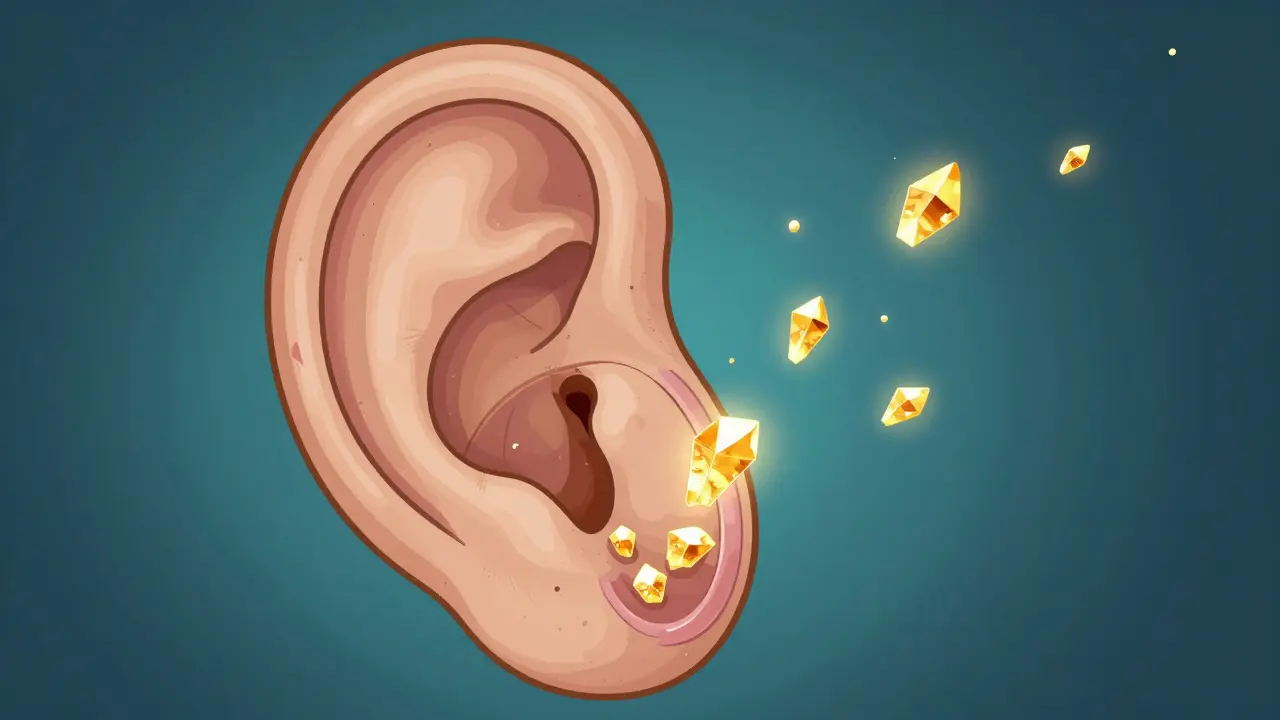
About 80% of vertigo cases stem from the peripheral vestibular system, which is essentially the balance hardware located in your inner ear. When this system glitches, your brain receives conflicting signals: your eyes say you're still, but your ears say you're rotating.One of the most frequent culprits is BPPV (Benign Paroxysmal Positional Vertigo). This happens when tiny calcium carbonate crystals, called otoconia, break loose and drift into the semicircular canals of the inner ear. When you tilt your head, these crystals move and trick your brain into thinking you're spinning. These episodes are usually short-anywhere from 5 to 30 seconds-but they can be terrifying. In older adults, BPPV accounts for roughly 50% of all dizziness cases.
Then there is Meniere's disease, which is a more complex condition involving a buildup of fluid (endolymphatic hydrops) in the inner ear. Unlike BPPV, these attacks last much longer-from 20 minutes up to a full day. They usually come with a trio of symptoms: fluctuating hearing loss, a ringing in the ears known as tinnitus, and a feeling of fullness or pressure in the affected ear.
Another common cause is Vestibular Neuritis. This is typically caused by a viral infection that inflames the vestibular nerve. It results in sudden, severe vertigo that can last for days or weeks, though unlike Meniere's, it doesn't usually affect your hearing.
When Vertigo Is Not an Ear Problem
While most cases are "peripheral" (ear-based), about 20% are "central," meaning they originate in the brainstem or cerebellum. Vestibular Migraine is the most common central cause. You don't even need a headache to have one; you might just experience vertigo lasting from a few minutes to 72 hours. Because central vertigo can sometimes mimic a stroke, doctors use the HINTS exam (Head Impulse, Nystagmus, Test of Skew). This quick physical assessment is incredibly accurate-around 96.8% sensitive-in distinguishing a stroke from an inner ear problem within the first 48 hours of symptoms. This is why it's crucial to see a professional rather than trying to self-diagnose via the internet.| Condition | Primary Cause | Duration of Episode | Key Associated Symptoms |
|---|---|---|---|
| BPPV | Displaced crystals (otoconia) | 5-30 seconds | Triggered by head movement |
| Meniere's Disease | Fluid buildup in inner ear | 20 min - 24 hours | Tinnitus, Hearing loss |
| Vestibular Neuritis | Nerve inflammation (viral) | Days to weeks | Severe spontaneous vertigo |
| Vestibular Migraine | Neurological/Brainstem | Minutes - 72 hours | Sensitivity to light/sound |
Effective Treatments and Maneuvers
Treatment isn't one-size-fits-all. In fact, using the wrong treatment can actually slow down your recovery. For BPPV, the gold standard is the Epley maneuver. This is a series of specific head movements designed to guide the loose crystals back where they belong. It's incredibly effective, with some clinics reporting a 95% resolution rate within two weeks. For Meniere's disease, the focus shifts to fluid management. This often involves a strict low-sodium diet (limiting salt to 1,500-2,000mg daily) and the use of water pills, like triamterene-hydrochlorothiazide. This combination can reduce the frequency of attacks by 50-70% for many patients. When it comes to medication, there's a catch. Drugs like meclizine provide quick relief from nausea and spinning, but they are "vestibular suppressants." If you take them for too long (usually beyond 72 hours), they can actually stop your brain from learning how to compensate for the balance loss. Essentially, the medication puts the balance system to sleep, which can delay your natural recovery by 30-50%.Mastering Vestibular Rehabilitation
If you have persistent balance issues, the most sustainable path to recovery is through a customized exercise program. This is where the brain's ability to rewire itself-neuroplasticity-comes into play.A typical rehab program focuses on three main areas:
- Gaze Stabilization: Exercises like the Brandt-Daroff exercises help you keep your vision steady while your head is moving.
- Balance Retraining: Practicing standing on uneven surfaces (like foam or a pillow) to force your brain to rely more on your joints and muscles for stability.
- Habituation: Repeatedly performing the specific movements that trigger your vertigo to "desensitize" the brain to those triggers.

Practical Tips for Managing Daily Life
Living with vertigo requires a few lifestyle adjustments. If you suffer from BPPV, avoid sudden, jerky head movements. If you have vestibular migraines, start a headache diary to track your triggers-many people find that crowded environments or specific foods set off an attack. For those with Meniere's, the biggest challenge is often the diet. Since 75% of our sodium comes from processed foods, reading labels becomes a survival skill. If you're doing home exercises, precision is everything. For the Epley maneuver, a 30-degree head angle and 30-second pauses are required for it to work. If you're just "kind of" tilting your head, you might just be moving the crystals from one canal to another without actually fixing the problem. If you find it's not working, getting a therapist to guide you for the first two weeks can increase your success rate significantly.Can I treat vertigo at home?
Yes, specifically for BPPV. The Epley maneuver and Brandt-Daroff exercises can be done at home with a 70-80% success rate. However, this is only safe after a professional has confirmed that your vertigo is actually caused by BPPV and not a central neurological issue like a stroke or a tumor.
Why does my medication make me feel drowsy?
Many vertigo medications, such as meclizine or promethazine, are antihistamines that cross the blood-brain barrier. While they stop the spinning sensation and nausea, they often cause sedation. This is why many patients switch to vestibular rehabilitation exercises, which treat the root cause without the side effects.
How long does it take for vestibular therapy to work?
Most patients see significant improvement within 4 to 6 weeks of consistent practice. However, it's common to feel a temporary increase in dizziness during the first 1-2 weeks as the brain begins the compensation process.
Is Meniere's disease curable?
While there is no permanent cure that completely eliminates the disease, it is highly manageable. A combination of low-sodium diets, diuretics (water pills), and in severe cases, surgical options like endoscopic vestibular neurectomy, can provide 90% vertigo control for many patients.
When should I go to the emergency room for dizziness?
You should seek immediate care if the vertigo is accompanied by a sudden severe headache, double vision, slurred speech, weakness in the arms or legs, or a total loss of consciousness. These are "red flags" for a stroke or other neurological emergencies.
Next Steps for Recovery
If you're currently struggling with balance, your first move should be a visit to an ENT (ear, nose, and throat) specialist or an otologist. Ask specifically for positional testing-like the Dix-Hallpike maneuver-to see if BPPV is the cause. If you've been on vertigo medication for more than a few days, talk to your doctor about tapering off and starting a vestibular rehabilitation program. Remember, the goal isn't just to stop the spinning today, but to teach your brain how to stay steady for the long haul.