
 15
Dec,2025
15
Dec,2025
Most people get vaccines without a second thought. But if you’ve heard stories about allergic reactions - especially after the COVID-19 vaccines - it’s natural to wonder: How real is the risk? The answer isn’t what you might think. Allergic reactions to vaccines are incredibly rare. In fact, out of every million doses given, only about 1 to 11 result in anaphylaxis. That’s less likely than being struck by lightning in a given year. Yet because these reactions can be serious, systems are in place to catch them early, treat them fast, and learn from them.
How Rare Are Allergic Reactions to Vaccines?
Let’s put numbers to fear. The Vaccine Safety Datalink studied over 25 million vaccine doses across all types and found just 1.3 cases of anaphylaxis per million doses. For mRNA COVID-19 vaccines, the rate went up slightly - to about 5 to 11 cases per million - but that’s still extremely low. Compare that to the risk of severe illness from the diseases vaccines prevent: measles can kill 1 in 1,000 children; flu sends over 200,000 people to U.S. hospitals each year. The danger from the disease is orders of magnitude higher than the risk from the vaccine.
Most reactions happen fast. About 86% of anaphylaxis cases start within 30 minutes of getting the shot. And 71% happen in the first 15 minutes. That’s why clinics ask you to wait after vaccination. It’s not bureaucracy - it’s a safety net. If you’ve had a reaction before, you’ll be asked to wait 30 minutes. For everyone else, 15 minutes is enough.
What Causes These Reactions?
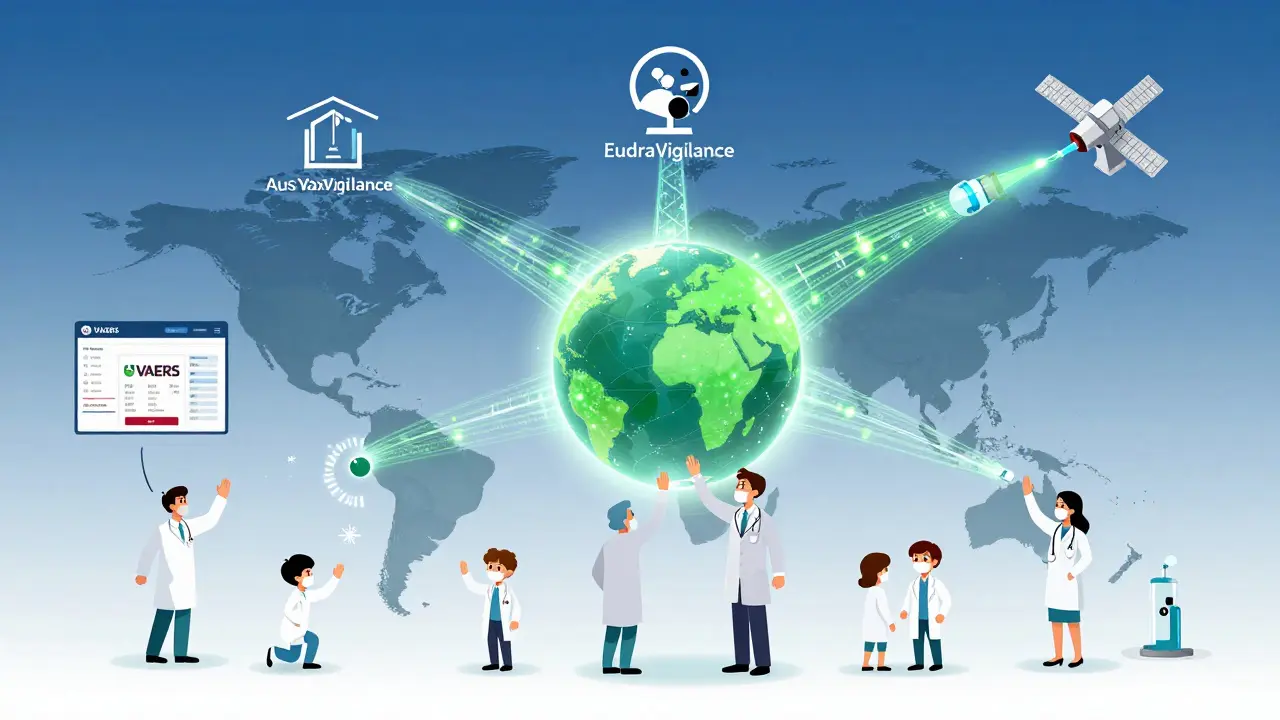
People often assume it’s the virus part of the vaccine - but it’s usually not. The real triggers are tiny ingredients used to stabilize or deliver the vaccine. For example, polyethylene glycol (PEG) is found in some mRNA vaccines and has been linked to rare allergic responses. Another is polysorbate 80, which is chemically similar to PEG. Neither is common in food or daily products, so most people have never been exposed to them before.
Aluminum salts, used in many vaccines as adjuvants to boost immune response, can cause local swelling or hard lumps at the injection site. These aren’t allergic reactions - they’re inflammatory responses that fade over weeks. Yeast proteins, once a big concern for hepatitis B and HPV vaccines, have been shown to cause true allergies in fewer than 15 cases out of 180,000 reports in the national VAERS database. And egg allergy? That myth has been busted. Studies with over 4,300 egg-allergic people - including those who had life-threatening reactions to eggs - showed zero serious reactions after flu shots. You no longer need special testing or egg-free versions.
Who’s Most at Risk?
Women make up 81% of reported allergic reactions to vaccines. The average age is around 40, but cases have been seen in children as young as 3 months and adults up to 88. That doesn’t mean women or middle-aged people are more likely to react - it likely reflects who gets vaccinated most often. More doses = more chances to spot a rare event.
People with a history of severe allergies - especially anaphylaxis to any substance - are more likely to have a reaction to a vaccine. But here’s the key: most people with allergies can still get vaccinated safely. The CDC and allergy societies now say that unless you’ve had a confirmed allergic reaction to a specific vaccine ingredient before, you should not avoid vaccines. A history of hives, eczema, or food allergies doesn’t increase your risk.
How Are Reactions Monitored?
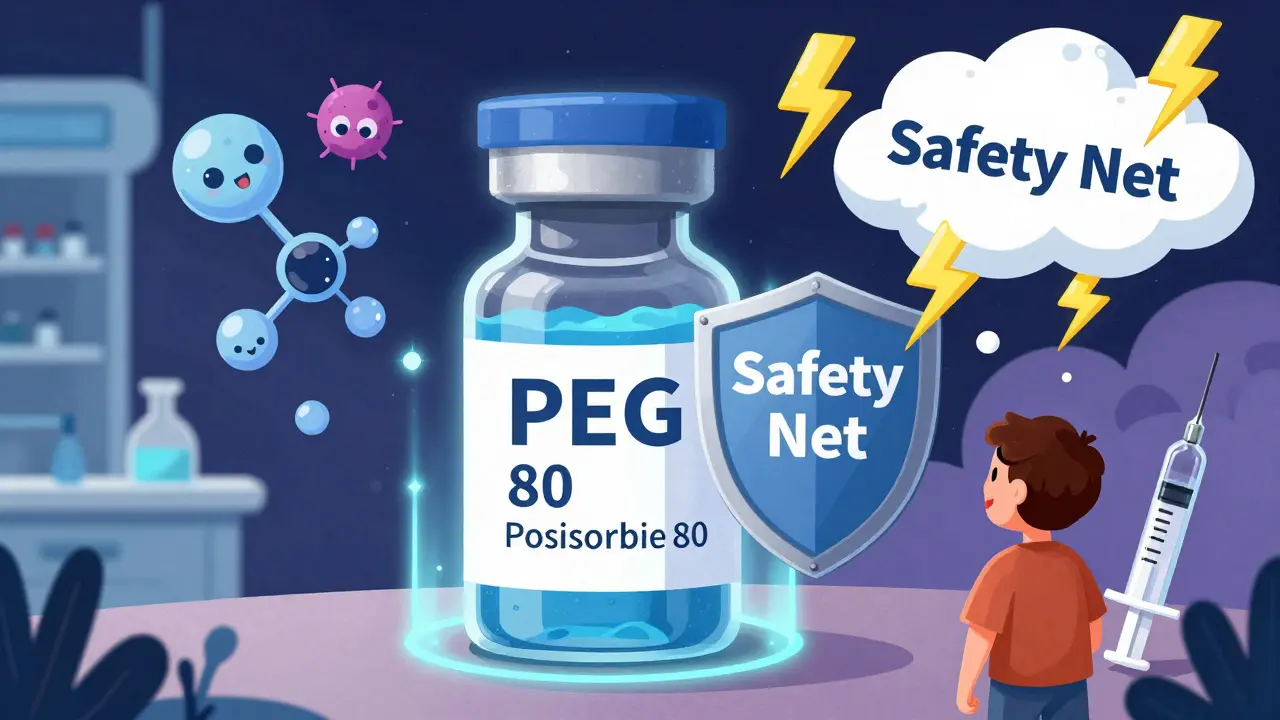
The U.S. has one of the most robust vaccine safety systems in the world: VAERS - the Vaccine Adverse Event Reporting System. It’s run by the CDC and FDA. Anyone - doctors, patients, pharmacists - can report a reaction. It’s not proof that the vaccine caused the problem, but it’s the first warning sign. In 2023, VAERS received over 40,000 reports. Only a tiny fraction were allergic reactions. The system works because it’s open, fast, and nationwide.
But VAERS alone isn’t enough. That’s why the CDC uses the Vaccine Safety Datalink - a connected network of health systems that tracks real-time data on millions of vaccinated people. It can spot patterns VAERS might miss. For example, it helped confirm the slightly higher anaphylaxis rate with mRNA vaccines and showed it was still extremely rare.
Other countries have similar tools. The European Union uses EudraVigilance. Australia has AusVaxSafety. These systems talk to each other. When a new vaccine rolls out, experts watch for spikes in reports - not just for allergic reactions, but for anything unusual.
What Happens If You Have a Reaction?
Every clinic that gives vaccines must have epinephrine on hand - and staff trained to use it. Epinephrine is the only medicine that can stop anaphylaxis in its tracks. It works within minutes. Other treatments like antihistamines or steroids help with symptoms, but they don’t save lives. That’s why timing matters.
Common signs of a true allergic reaction include:
- Hives or swelling of the face, lips, or tongue
- Wheezing or trouble breathing
- Dizziness or fainting
- Rapid heartbeat
- Nausea or vomiting
If you feel any of these within minutes of getting a shot, tell the provider immediately. They’ll give you epinephrine and call 911. Most people recover fully within an hour.
Afterward, the reaction is reported to VAERS. If you’re concerned about future vaccines, an allergist can help. They may do skin tests or blood tests to check for allergies to PEG, polysorbate, or other components. But for most people, even those who had a reaction before, future vaccines can still be given safely - often with observation and a different brand.
What About Egg, Yeast, or Latex Allergies?
Let’s clear up the myths.
Egg allergy: Flu vaccines used to be made using eggs. That’s why people were told to avoid them. But today’s flu shots contain so little egg protein that even people with severe egg allergies can get them without any special steps. Studies show no increased risk. The same goes for the MMR vaccine - it’s safe for egg-allergic kids.
Yeast allergy: Hepatitis B and HPV vaccines are made using yeast. But yeast allergies are extremely rare. Only 15 possible cases were found in over 180,000 VAERS reports. If you’ve had a confirmed anaphylaxis to yeast, talk to an allergist - but don’t assume you can’t get these vaccines.
Latex allergy: Some vaccine vial stoppers used to contain latex. Most don’t anymore. Check with your provider if you’re concerned - but this is no longer a common issue.
What’s Changing in Vaccine Safety?
Since the 1976 swine flu vaccine linked to Guillain-Barré syndrome, vaccine safety systems have gotten smarter. Today, we use digital tools like v-safe - a smartphone app that texts you after vaccination to check how you’re feeling. Over 3.6 million people used it during the pandemic. It helped catch rare side effects faster than any old system could.
Researchers are now looking for biomarkers - tiny biological signals in the blood - that might predict who’s at risk. One 2023 study in Nature Immunology found a pattern of mast cell activation that could one day allow pre-screening. That’s still years away, but it shows how far we’ve come.
The CDC’s 2023-2027 plan includes $28 million to improve data analysis for rare reactions. The goal isn’t to eliminate all risk - that’s impossible. It’s to make sure if something rare happens, we find it fast, understand it, and keep vaccines safe for everyone.
Should You Still Get Vaccinated?
Yes. Absolutely.
The chance of a serious allergic reaction is lower than the chance of being hit by lightning. The chance of dying from measles, flu, or whooping cough is far greater. Vaccines have saved millions of lives. The systems monitoring them are among the most advanced in medicine. If you’ve had a reaction before, don’t panic - get evaluated by an allergist. If you’ve never had one, there’s no reason to skip a vaccine because of fear.
Every vaccine you get helps protect not just you, but your family, your coworkers, your neighbors. The tiny risk of an allergic reaction is balanced by the massive benefit of prevention. That’s why doctors, scientists, and public health experts around the world agree: vaccines are safe. And the systems watching over them? They’re working.

Man, I’ve seen so many people freak out over vaccine reactions like they’re common. The odds of getting anaphylaxis are lower than getting struck by lightning. I work in ER - we see way more bad reactions from Tylenol than from vaccines. Get the shot, wait 15 minutes, and go live your life.
I used to be scared too until I read the data. Turns out my kid’s eczema doesn’t make vaccines riskier. We got all her shots on schedule and she’s fine. The waiting period isn’t annoying - it’s smart.
It’s funny how we fear the invisible more than the obvious. We panic over a 1-in-a-million chance of an allergic reaction while ignoring that flu kills 20,000 people a year in the U.S. alone. We’re wired to dread what’s rare and sudden - not what’s common and slow. Maybe that’s why we need stories like this. Not to convince the rational - but to soothe the terrified.
And yet… we still don’t trust the systems meant to protect us. VAERS is open to anyone. That’s both its strength and its weakness. But when paired with real-time surveillance like the Vaccine Safety Datalink? It’s the most sophisticated safety net in medical history. And we treat it like a conspiracy board.
It’s not about fear being irrational. It’s about fear being misunderstood. The real tragedy isn’t the rare reaction - it’s the millions who stay unvaccinated because they believe the noise over the data.
I’ve sat with parents who cried because they thought vaccines caused autism. I’ve held the hands of grandparents who refused the flu shot because they heard it gave them COVID. These aren’t stupid people. They’re scared people. And we need more voices like this one - calm, clear, and rooted in science - to meet them where they are.
Not to argue. Not to shame. But to say: you’re not alone. And you’re safer than you think.
Why are we even discussing this? In my country, people get vaccines without a second thought - and they don’t live in fear. This obsession with rare side effects is a luxury of the rich world. We don’t have time to worry about 1 in a million when our kids still die from preventable diseases.
Oh please. The CDC and FDA are in bed with Big Pharma. VAERS is a joke - it’s full of lies. They don’t even verify reports. And why are women getting 81% of the reactions? Coincidence? Or is it something they’re hiding? PEG? That’s a chemical used in antifreeze! They’re poisoning us under the guise of ‘protection.’
My cousin got a fever after her shot and never recovered. They called it ‘coincidence.’ I call it cover-up.
I just read this while waiting for my flu shot. Took the 15 minutes. Didn’t feel a thing. Honestly? Kinda comforting to know they’ve got systems in place. Not just hoping for the best.
PEG is in every moisturizer and toothpaste so why are people reacting now? That’s not a coincidence. It’s a slow poison being injected. And why are they pushing mRNA so hard? Because it can track you. They’re using vaccines to implant microchips. I read it on a forum where a guy who works at Pfizer leaked it. He got fired. That’s why no one talks about it.
My mom had a bad reaction to the flu shot in the 90s and now she won’t get anything. But the science has changed. The egg thing? Totally debunked. The yeast thing? Almost nonexistent. She’s scared but she’s also wrong. I’m going to take her to an allergist next month. She deserves to know the truth, not the fear.
Thank you for this thoughtful, evidence-based breakdown. In a world saturated with misinformation, clarity like this is a gift. The statistics are not just numbers - they represent lives protected, families preserved, and communities strengthened. The systems in place - VAERS, the Vaccine Safety Datalink, v-safe - are not perfect, but they are the most advanced, transparent, and responsive public health infrastructure ever created. We should be proud of them. And we should trust them - not because we are told to, but because the data, the science, and the decades of real-world outcomes confirm their integrity. Vaccines remain one of the greatest triumphs of modern medicine. Let us not surrender them to fear.
I’m from a small village in Nigeria. We had no vaccines growing up. My brother died of measles at age 4. I got my first vaccine at 28. It felt like a gift. I don’t care about PEG or polysorbate. I care about my kids living. If someone’s scared, I don’t argue. I just say: ‘I lost a brother. I don’t want you to lose yours.’
They say it’s rare - but what about the ones who die? Who’s paying for their funerals? Who’s apologizing? And why is the government rushing this? Because they’re scared of the next pandemic. They’re using us as guinea pigs. PEG is synthetic. Synthetic = bad. And they don’t want you to know what’s really in there. The ingredients list? It’s a black box. You think they’d tell you? HA. Wake up. This isn’t medicine - it’s control.
It is my considered opinion, based upon a comprehensive review of peer-reviewed literature, epidemiological databases, and public health protocols established by the Centers for Disease Control and Prevention, that the statistical probability of anaphylactic response to administered vaccines remains quantifiably negligible when juxtaposed against the morbidity and mortality rates associated with the infectious agents these vaccines are designed to mitigate. Furthermore, the temporal proximity of observed adverse events to vaccination does not, in and of itself, establish causation - a principle fundamental to clinical epidemiology. The utilization of post-marketing surveillance systems such as VAERS, while invaluable for signal detection, must be interpreted with methodological rigor, as they are inherently subject to reporting bias, temporal coincidence, and confounding variables. To conflate association with causation is not only scientifically unsound, but also constitutes a profound disservice to public trust in immunization initiatives.
My mom had a reaction to the shingles shot. We were terrified. But they gave her epinephrine right away. She was fine in 20 minutes. Now she gets all her shots. And she sends me emojis after every one. 🌟💉❤️