
OTC Drugs: What You Need to Know Before You Buy
When you grab a bottle of OTC drugs, medications you can buy without a prescription. Also known as over-the-counter medications, they’re meant to be safe for self-use—but they’re not harmless. Millions of people take them daily for headaches, colds, allergies, or minor aches, assuming they’re harmless because they’re on the shelf. But OTC drugs are still drugs. They interact with other meds, overload your liver, and can turn a simple fix into a hospital visit.
Take acetaminophen, the active ingredient in Tylenol and hundreds of other pain relievers. It’s in cold medicines, sleep aids, and combo pills you might not even realize you’re taking. Take just a little too much—maybe two extra tablets over a few days—and you could damage your liver without symptoms until it’s too late. Then there’s NSAIDs, nonsteroidal anti-inflammatory drugs like ibuprofen and naproxen. They reduce pain and swelling, but they also raise your risk of stomach bleeds, kidney problems, and heart issues, especially if you’re older or on blood pressure meds. And don’t forget antihistamines, allergy meds like diphenhydramine and loratadine. Some make you drowsy. Others don’t. But both can mess with your balance, memory, and even your heart if you’re not careful.
These aren’t just side effects. They’re real, documented dangers that show up in FDA reports, pharmacist warnings, and emergency room visits every single day. The same pills that help you sleep might make your blood pressure spike. The cream you put on a cut might trigger a rash if you’re allergic to the antibiotic inside. And mixing OTC drugs with your prescription meds? That’s where things get dangerous fast. You don’t need to avoid them. You just need to know how to use them right.
Below, you’ll find clear, no-fluff guides on how to use common OTC drugs safely—from pain relievers and allergy meds to first aid staples. We’ll break down what’s in them, what they really do, and how to avoid the mistakes most people make. No jargon. No hype. Just what you need to know before you reach for the next bottle.
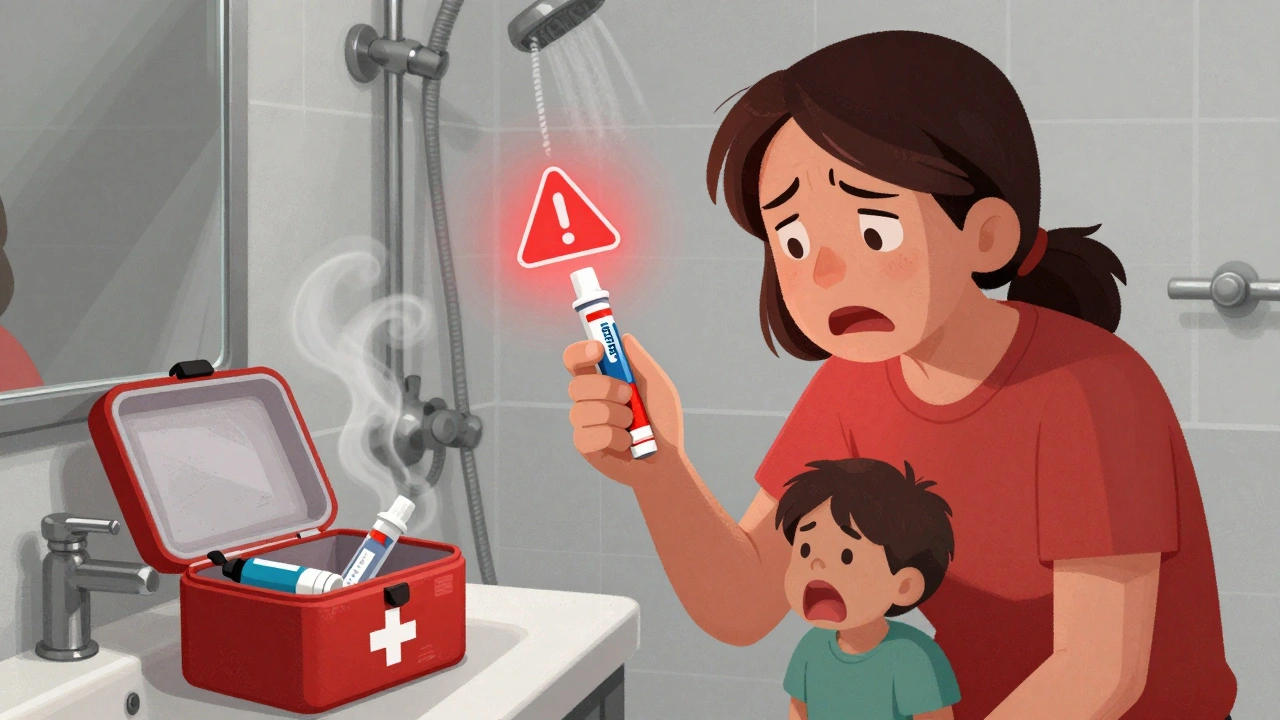
How to Decide When to Replace Expired OTC First-Aid Medications
Learn which expired OTC first-aid meds are safe to use and which ones can be dangerous. Get clear guidelines on when to replace epinephrine, pain relievers, creams, and more - backed by FDA data and real-world studies.
View more