
HIF-PHI: What It Is, How It Works, and Why It Matters for Oxygen Therapy and Anemia
When your body doesn’t get enough oxygen, it doesn’t just panic—it activates a smart survival system called HIF-PHI, a class of drugs that stabilize hypoxia-inducible factor to trigger red blood cell production. Also known as hypoxia-inducible factor prolyl hydroxylase inhibitors, these medications trick your body into thinking it’s at high altitude, where oxygen is thin. Instead of giving you synthetic erythropoietin like older treatments, HIF-PHI turns on your own natural response. This isn’t science fiction—it’s a real, FDA-approved approach for treating anemia in people with chronic kidney disease, and it’s changing how doctors think about oxygen management.
What makes HIF-PHI different? Most anemia drugs pump in erythropoietin, a hormone your kidneys make when oxygen levels drop. But if your kidneys are damaged, they can’t produce enough. HIF-PHI steps in by blocking the enzymes that normally break down HIF, the protein that tells your body to make more red blood cells and absorb more iron. It’s like flipping a switch that says, ‘We’re low on oxygen—get ready.’ This leads to better iron use, more stable hemoglobin levels, and fewer injections. It also connects to other health areas: people using HIF-PHI often see improvements in fatigue, exercise tolerance, and even quality of life. Related to this are erythropoietin, a hormone that stimulates red blood cell production, and oxygen sensing, the biological process that detects low oxygen and triggers adaptive responses. These aren’t just buzzwords—they’re the core mechanisms behind why HIF-PHI works where other drugs fall short.
You’ll find posts here that dive into how HIF-PHI compares to traditional anemia treatments, what side effects to watch for, and how it fits into broader kidney care. Some articles explore how it affects iron metabolism, others look at real-world outcomes in patients who switched from injections to pills. There’s also coverage on how this technology relates to other areas—like altitude training, sports medicine, and even cancer care, where oxygen pathways play a role. This isn’t just about one drug. It’s about understanding how your body responds to stress, how science can mimic nature, and how small molecular changes can lead to big health improvements. What you’re about to read isn’t theory—it’s practical, tested, and already helping people feel better every day.
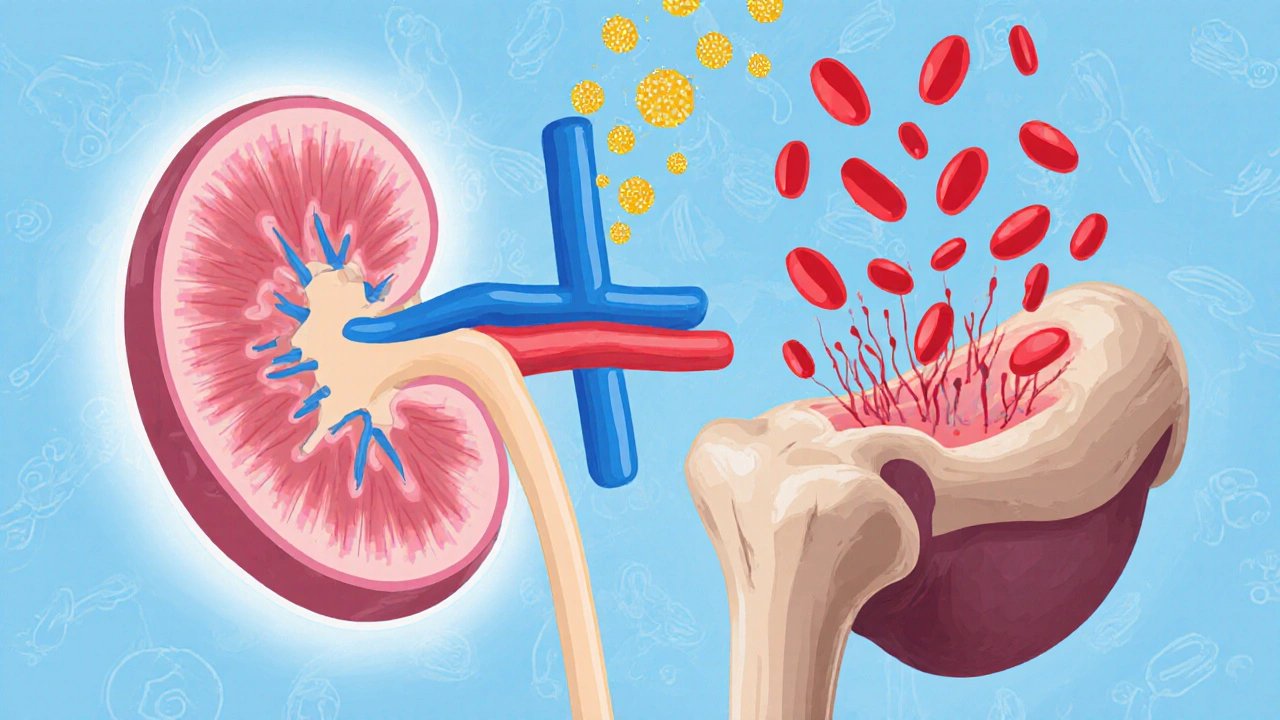
Anemia in Kidney Disease: How Erythropoietin and Iron Therapy Work Together
Anemia in kidney disease is caused by low erythropoietin and poor iron use. Learn how IV iron and ESA therapy work together to safely raise hemoglobin, improve energy, and reduce risks - with updated 2025 guidelines.
View more