
Expired Medications: What Happens When Your Medicine Goes Bad
When you find an old bottle of pills in the back of your medicine cabinet, you might wonder: expired medications, drugs that have passed their manufacturer-stated expiration date. Also known as out-of-date pills, these aren’t just old—they can be risky. The expiration date isn’t a guess. It’s the last day the manufacturer guarantees the drug will work as labeled and stay safe to take. After that, the chemical makeup can change. Some pills just lose strength. Others might break down into harmful substances. And in rare cases, like tetracycline antibiotics, expired versions have caused serious kidney damage.
Drug safety, the practice of using medications without causing harm depends heavily on timing and storage. Heat, humidity, and light speed up degradation. A bottle of insulin left in a hot car or aspirin sitting in a steamy bathroom won’t last as long as the label says. Even if your pills look fine—no discoloration, no odd smell—they might not work. Studies show some antibiotics and heart meds lose up to 30% potency after expiration. That’s not a small drop. For someone relying on blood pressure pills or insulin, that loss could mean a hospital visit.
Medication expiration, the point at which a drug is no longer guaranteed to be effective or safe isn’t the same for every pill. Liquid antibiotics, eye drops, and insulin expire fast—often within weeks after opening. Solid tablets like ibuprofen or antihistamines can last years past their date if stored cool and dry. But you shouldn’t gamble. If you’re treating a serious condition like epilepsy, heart failure, or infection, you need full potency. And if you’re giving medicine to a child or elderly person, the margin for error is even smaller.
What about those old painkillers you’ve held onto for "just in case"? The FDA says most expired drugs aren’t toxic, but they’re not reliable either. You’re not saving money—you’re risking your health. And if you’re using expired medications to avoid a doctor’s visit, you’re delaying care that could prevent worse problems. The real cost isn’t the price of the pill. It’s the missed diagnosis, the untreated infection, the avoidable complication.
So what do you do? Check your medicine cabinet. Toss anything past its date, especially if it’s liquid, injectable, or used for chronic illness. Don’t flush most pills—take them to a drug take-back program or pharmacy drop box. If none exist, mix them with coffee grounds or cat litter, seal them in a bag, and throw them in the trash. Never give expired meds to someone else. That’s not generosity—it’s dangerous.
Below, you’ll find real stories and facts about what happens when medicine ages, how to spot dangerous changes, and how to keep your home pharmacy safe. No fluff. Just what you need to know to protect yourself and your family.
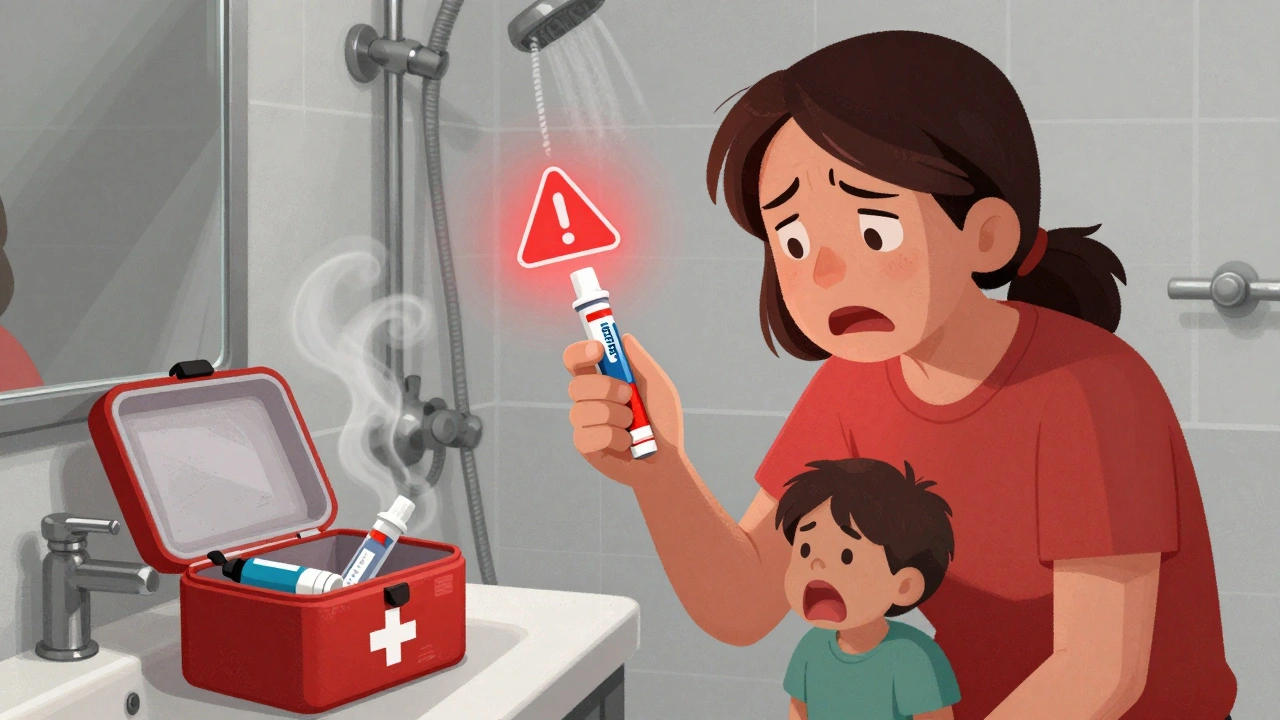
How to Decide When to Replace Expired OTC First-Aid Medications
Learn which expired OTC first-aid meds are safe to use and which ones can be dangerous. Get clear guidelines on when to replace epinephrine, pain relievers, creams, and more - backed by FDA data and real-world studies.
View more