
Cognitive Behavioral Therapy for Pain: How It Works and What Works Best
When you live with chronic pain, it’s not just your body that’s affected—it’s your mind too. Cognitive behavioral therapy for pain, a structured, goal-oriented approach that helps people change how they think and act around discomfort. Also known as CBT for chronic pain, it doesn’t erase the pain, but it changes how much control that pain has over your life. This isn’t about pretending the pain isn’t there. It’s about breaking the cycle where pain leads to fear, fear leads to inactivity, and inactivity makes pain worse.
CBT for pain works because pain isn’t just a signal from your nerves—it’s shaped by your thoughts, emotions, and habits. If you believe movement will make things worse, you avoid it. That leads to muscle loss, stiffness, and more pain. If you think no one understands your suffering, you isolate yourself, which increases stress and lowers your pain tolerance. Pain management, the broad set of strategies used to reduce the impact of long-term discomfort isn’t just pills and injections. The most effective plans include tools that fix how your brain interprets pain signals. Psychological pain relief, the use of mental techniques to reduce the emotional and physical burden of pain is backed by decades of studies, including research from the National Institutes of Health showing CBT helps people reduce opioid use and improve daily function.
What does this look like in practice? You might track when your pain spikes and what you were thinking right before it did. Maybe you notice that thinking "I’ll never get better" makes the pain feel heavier. CBT teaches you to replace that thought with something like "This is tough, but I’ve handled it before." You learn pacing—doing a little bit of activity every day instead of pushing too hard and crashing. You practice relaxation techniques that quiet your nervous system. These aren’t quick fixes. They’re skills, like learning to ride a bike. At first, it feels awkward. But over time, it becomes automatic.
It’s not a replacement for medical care. If you have arthritis, nerve damage, or an injury, you still need the right treatment for the source. But CBT is the missing piece for so many people who’ve tried everything else. It’s especially helpful when pain lingers after healing, when stress makes it worse, or when fear keeps you from moving. And it works well alongside other treatments—meds, physical therapy, even acupuncture.
Below, you’ll find real, practical guides on how CBT for pain connects with other areas of health. You’ll see how it relates to drug safety, sleep disruption from pain meds, and even how anxiety and depression can make pain feel worse. These aren’t theoretical articles. They’re written by people who’ve seen the same struggles you’re facing—and they’ve found ways through them.
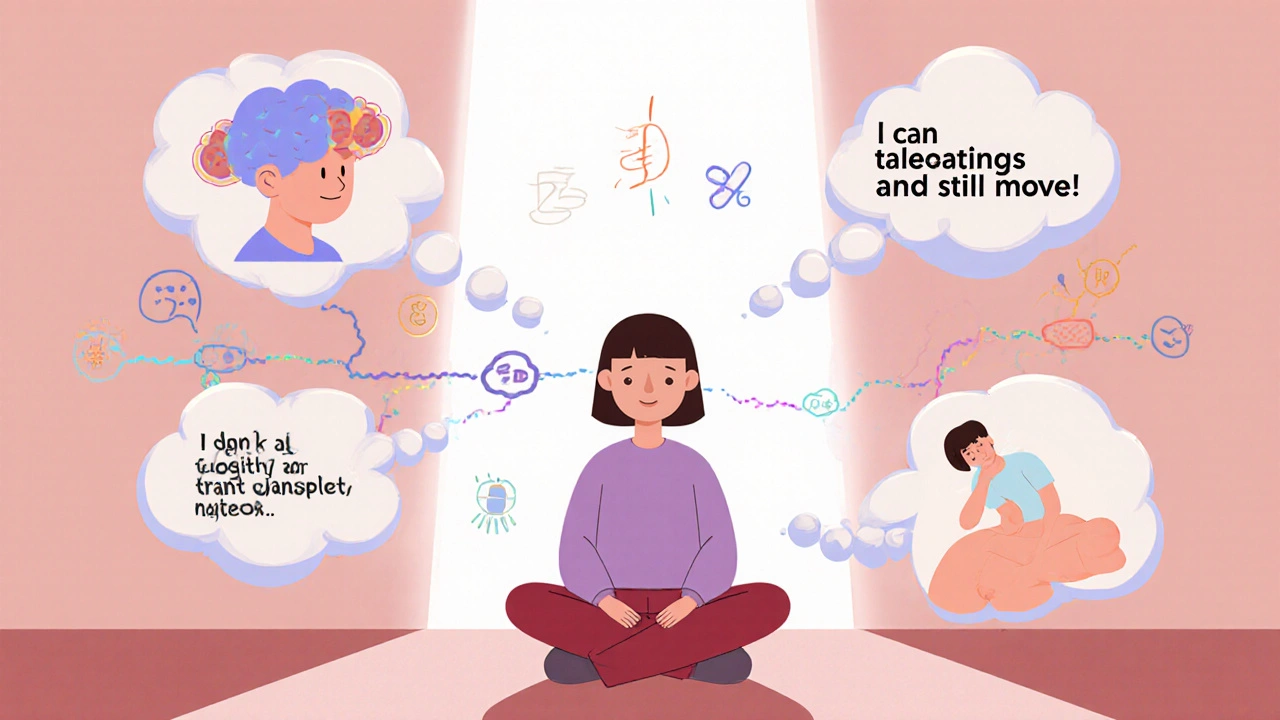
CBT for Chronic Pain: How Cognitive-Behavioral Therapy Helps Manage Persistent Pain
CBT for chronic pain helps manage persistent pain by changing how you think and respond to it. Learn how it reduces anxiety, improves function, and cuts opioid use-without eliminating pain.
View more