
CBT for Chronic Pain: How Cognitive Behavioral Therapy Helps Manage Long-Term Discomfort
When you live with chronic pain, persistent physical discomfort lasting longer than three to six months, often without a clear ongoing injury. Also known as long-term pain, it doesn’t just hurt—it rewires how you think, sleep, and move. Medications can help, but they don’t fix the mental loop that makes pain feel worse over time. That’s where cognitive behavioral therapy, a structured, goal-oriented form of talk therapy focused on changing unhelpful thought patterns and behaviors. Often called CBT, it’s one of the most studied and effective non-drug tools for chronic pain. Unlike pills that target nerves or inflammation, CBT works on the brain’s role in pain perception. It doesn’t make the pain disappear—but it stops it from controlling your life.
People with chronic pain often get stuck in cycles: pain leads to fear of movement, which leads to inactivity, which makes muscles weaker and pain worse. CBT breaks that cycle by teaching you how to spot thoughts like "I can’t do anything because it hurts" and replace them with "I can move carefully, even if it aches." It also helps with sleep problems, anxiety, and the feeling of isolation that often comes with long-term pain. Studies show people who do CBT report less pain intensity, better mood, and higher daily function—even when their physical condition hasn’t changed. It’s not magic. It’s training. And like training a muscle, it takes practice.
CBT for chronic pain doesn’t require special equipment or surgery. It’s usually done in 6 to 12 weekly sessions with a trained therapist, but many people also use guided apps or workbooks. It works best when paired with gentle movement, like walking or stretching, and sometimes with other treatments like physical therapy. What makes it different is that it gives you real tools you can use every day—like how to breathe through a flare-up, how to pace your activities so you don’t crash, and how to talk to doctors or family about what you’re really feeling.
You’ll find posts here that cover related topics like how certain medications affect sleep or mood, how genetic factors change drug responses, and how to read safety alerts for your prescriptions. But none of those replace the mental shift CBT offers. This collection gives you real stories, practical tips, and science-backed methods to help you take back control—not just from pain, but from the fear and frustration that come with it.
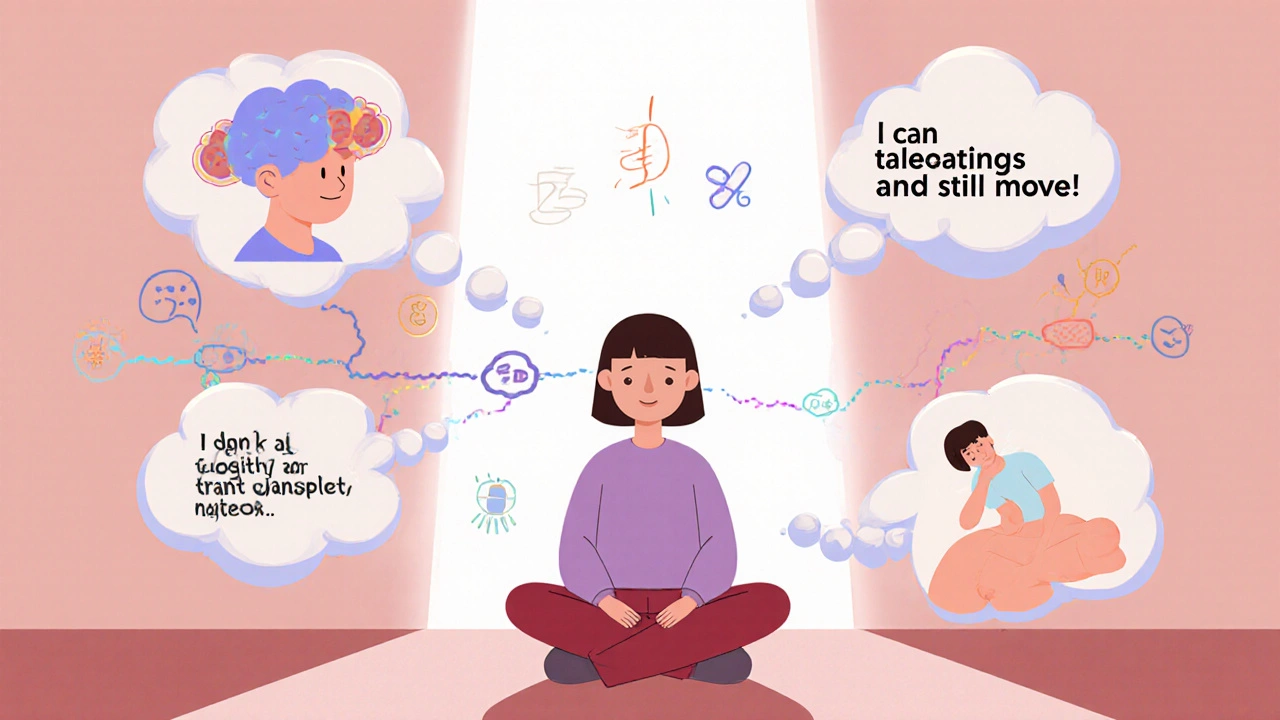
CBT for Chronic Pain: How Cognitive-Behavioral Therapy Helps Manage Persistent Pain
CBT for chronic pain helps manage persistent pain by changing how you think and respond to it. Learn how it reduces anxiety, improves function, and cuts opioid use-without eliminating pain.
View more