
Antihistamines: What They Are, How They Work, and What You Need to Know
When your body overreacts to pollen, pet dander, or even certain foods, it releases histamine, a chemical that triggers inflammation, itching, and swelling as part of the immune response. Also known as allergy mediator, histamine is the main driver behind runny noses, watery eyes, and hives. Antihistamines, a class of medications designed to block histamine receptors and reduce these symptoms are among the most common over-the-counter drugs used worldwide. They don’t cure allergies—they just quiet the noise your body makes when it thinks it’s under attack.
There are two main types: first-generation antihistamines like diphenhydramine (Benadryl) and second-generation ones like loratadine (Claritin) and cetirizine (Zyrtec). The first-gen ones work fast but often make you drowsy because they cross into your brain. The second-gen versions are designed to stay out of your central nervous system, so you get relief without the nap. But even the "non-drowsy" ones aren’t risk-free. Some people still feel tired. Others get dry mouth, blurred vision, or even trouble urinating. And if you’re taking them for a skin rash—like the kind caused by medication-induced dermatitis, a reaction to drugs like antibiotics or painkillers that shows up as red, itchy patches—you need to know antihistamines won’t fix the root cause. They just take the edge off.
Antihistamines also show up in cold and flu meds, sleep aids, and even some stomach remedies. That’s because histamine isn’t just about allergies—it’s involved in stomach acid production, sleep cycles, and even motion sickness. That’s why some people take them before a long car ride. But stacking them with other meds can be dangerous. Mixing antihistamines with alcohol, sedatives, or even certain antidepressants can slow your breathing or make you dangerously dizzy. And if you’re using them daily for months, you might be masking something bigger—like a hidden food allergy or an autoimmune issue. Your body isn’t just being "sensitive." It’s signaling.
What you’ll find here are real-world stories and science-backed facts about how antihistamines interact with other drugs, how they affect skin reactions, when they help—and when they don’t. You’ll see how pharmacists spot dangerous combinations, how the FDA tracks side effects, and why some people respond totally differently to the same pill. No fluff. No marketing. Just what you need to know before you take the next one.
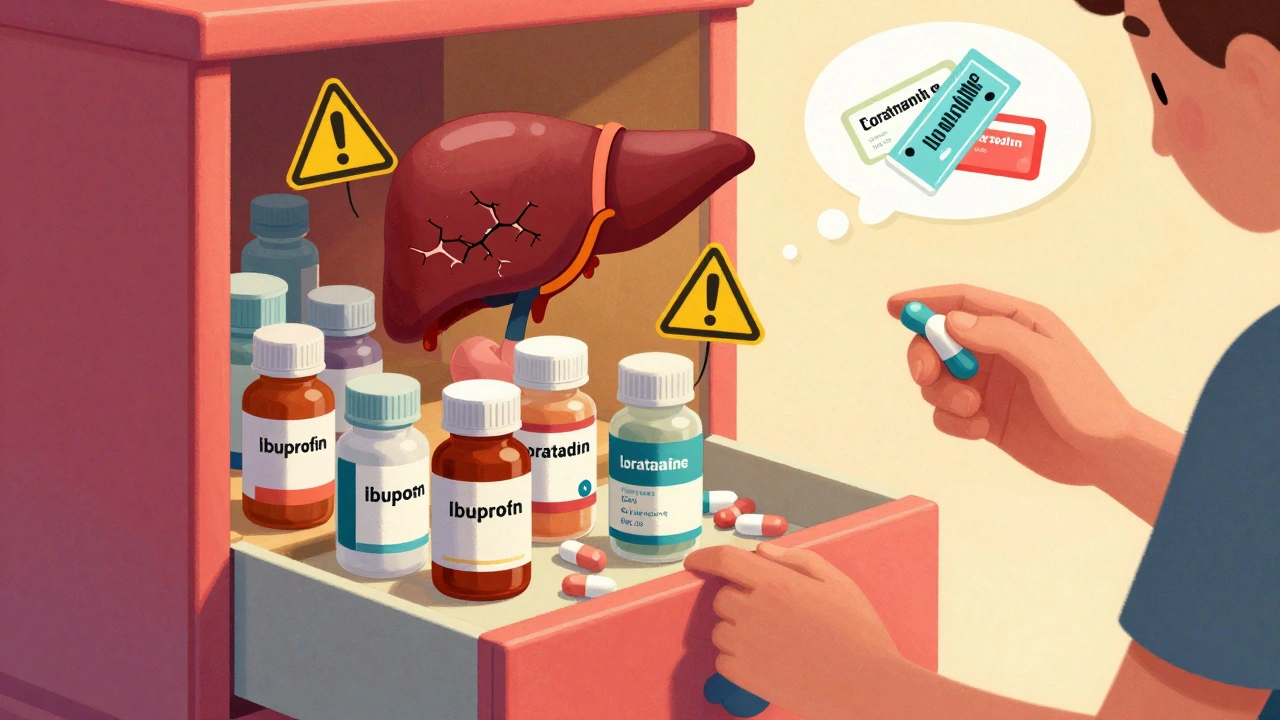
Over-the-Counter Medications: NSAIDs, Acetaminophen, and Antihistamines Explained for Safe Use
Learn how to safely use common OTC medications like NSAIDs, acetaminophen, and antihistamines. Avoid overdose, liver damage, and dangerous interactions with clear dosing rules and real-world advice.
View more