 9
Apr,2026
9
Apr,2026
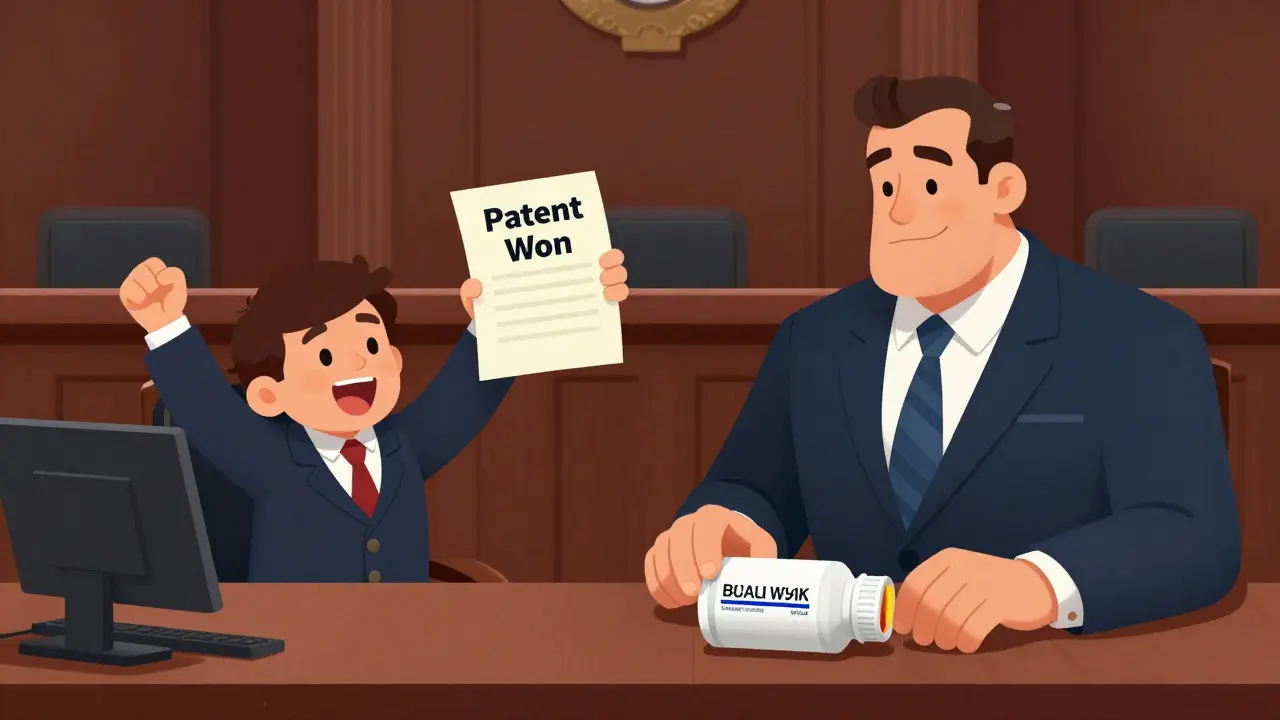
The core of the conflict lies in the Hatch-Waxman Act is a 1984 US law that balances the need for innovation (patents) with the need for affordable medicine (generics) . This law creates a massive incentive for generic firms to challenge patents. If a generic company is the first to successfully challenge a patent through an Abbreviated New Drug Application (or ANDA) is a regulatory pathway for generic drugs that allows them to rely on the FDA's previous approval of the brand drug , they get a 180-day window of marketing exclusivity. During these six months, they are usually the only generic game in town, allowing them to capture huge market shares and make back their legal costs.
The 'Spoiler' Effect: How Authorized Generics Disrupt Exclusivity
Authorized generics act as a "spoiler." Because they are identical to the branded drug-literally the same pills in a different bottle-they don't need a new FDA approval process. They just need a supplemental application. The FDA has ruled that the Hatch-Waxman Act doesn't stop brand companies from launching these versions during that 180-day exclusivity window. When a brand company drops an authorized generic into the market, the first-filer generic company no longer has a monopoly on the low-cost option. According to FTC data, these authorized versions typically grab 25% to 35% of the market during that critical window. Instead of the first generic company capturing 90% of the generic market, they suddenly have to share the pie with the very company they just sued. This isn't just a minor annoyance; it's a financial blow. Research shows that authorized generics can slash the first-filer's revenues by 40% to 52% during those 180 days, and that pain lasts long after the exclusivity expires.
The Legal Chess Match: Patent Litigation and Settlements
The most controversial part of this dynamic happens behind closed doors during patent settlements. In the past, brand companies used authorized generics as a bargaining chip in what are known as "reverse payment" settlements. Essentially, the brand company tells the generic firm: "If you agree to stay out of the market for another few years, I promise I won't launch an authorized generic." For the generic firm, this is a tempting trade. They avoid the risk of a trial and ensure that when they finally do enter the market, their 180-day exclusivity is protected. However, this effectively extends the brand's monopoly, keeping prices high for patients. Data from 2004 to 2010 suggests that about 25% of patent settlements involved these types of deals, affecting drugs worth over $23 billion. While this has become less common recently due to stricter Federal Trade Commission (or FTC) is the US agency tasked with preventing unfair methods of competition and protecting consumers scrutiny, the tactic remains a significant point of contention in pharmaceutical law.
| Feature | Standard Generic (First-Filer) | Authorized Generic |
|---|---|---|
| FDA Pathway | Full ANDA (Requires Bioequivalence) | Supplemental Application (Same Product) |
| Patent Challenge | Must challenge or wait for patent expiry | Bypasses the challenge process |
| Market Entry | Aims for 180-day exclusivity | Enters during or after exclusivity |
| Pricing Goal | Aggressive low pricing to gain share | Often priced between brand and generic |
Impact on Drug Pricing and Patient Access
Does this help the patient? It depends on who you ask. Branded companies and some Pharmacy Benefit Managers (PBMs) argue that authorized generics are pro-competitive. They claim that having another source of the drug immediately available prevents shortages and can drive prices down faster. Some research indicates that on-invoice prices for pharmacies were 13% to 18% lower when an authorized generic was available. On the flip side, the Association for Accessible Medicines argues that this practice destroys the incentive for generic companies to challenge patents. If a generic company knows the brand will just launch an authorized version, they might decide that the legal risk and cost of suing the brand isn't worth it. This is especially true for drugs with moderate sales-between $12 million and $27 million. In these cases, the expected profit might be too low to justify the litigation if an authorized generic is likely to appear. If fewer patents are challenged, monopolies last longer, and the public pays more in the long run.
Strategic Implementation: How Brands Play the Game
Launching an authorized generic is a surgical operation. Brand companies rarely do it under their own primary label to avoid confusing customers or cannibalizing their brand's prestige. Instead, they often use a third-party licensee or a separate subsidiary. Timing is everything. Most authorized generics enter the market within 30 to 60 days of the first generic competitor's arrival. Even more telling is the correlation with court dates: roughly 73% of these products hit the market within a week of a court ruling that invalidates the brand's patent. They also use a tiered pricing strategy. A brand might price its product at $100, the independent generic at $20, and the authorized generic at $40. This allows them to capture the segment of the market that wants a discount but still trusts the original manufacturer's quality control.
The Future of Competition and Regulatory Pressure
The tide seems to be shifting. The Preserve Access to Affordable Generics Act is proposed legislation aimed at prohibiting agreements that delay the entry of authorized generics has been a recurring topic in the Senate. The FTC is also getting more aggressive, with dozens of investigations into anticompetitive arrangements since 2020. Interestingly, the frequency of these launches is dropping. In 2010, authorized generics appeared in 42% of relevant markets; by 2022, that number fell to 28%. This suggests that companies are becoming more cautious about how they manage the end of a drug's patent life. Whether this is due to fear of the FTC or a change in business strategy, the result is a market that is slowly adapting to a more transparent version of competition.
What exactly is an authorized generic?
An authorized generic is a drug that is chemically identical to a brand-name drug, produced by the original brand manufacturer, but sold without the brand name. It is essentially the same product in a different package, sold at a lower price to compete with other generic manufacturers.
Why do brand companies launch these if they are already making money from the brand name?
It's a defensive strategy. By launching an authorized generic, the brand company can capture a portion of the generic market, maintain a presence in the pharmacy channel, and-most importantly-reduce the profits of the first generic competitor who challenged their patent.
Does the Hatch-Waxman Act prohibit this practice?
No. While the Act provides 180 days of exclusivity to the first generic challenger, the FDA and the courts have determined that this does not prevent the original brand manufacturer from selling its own product as a generic.
How do authorized generics affect the price of medicine for patients?
In the short term, they can lower prices by providing an immediate alternative to the brand drug. However, in the long term, they may actually keep prices higher by discouraging other generic companies from challenging patents, which prevents a truly competitive market from forming.
What are 'reverse payment' settlements?
These are deals where a brand company pays a generic company (or gives them a concession, like promising not to launch an authorized generic) to drop a patent challenge and delay their entry into the market. The FTC often views these as anticompetitive.